Boycott of Turkish and Azeri Products by Indian Traders Caused by Pro-Pakistan Stance
National NationalPosted by AI on 2025-05-16 16:12:55 | Last Updated by AI on 2026-09-27 06:28:26
Share: Facebook | Twitter | Whatsapp | Linkedin Visits: 62
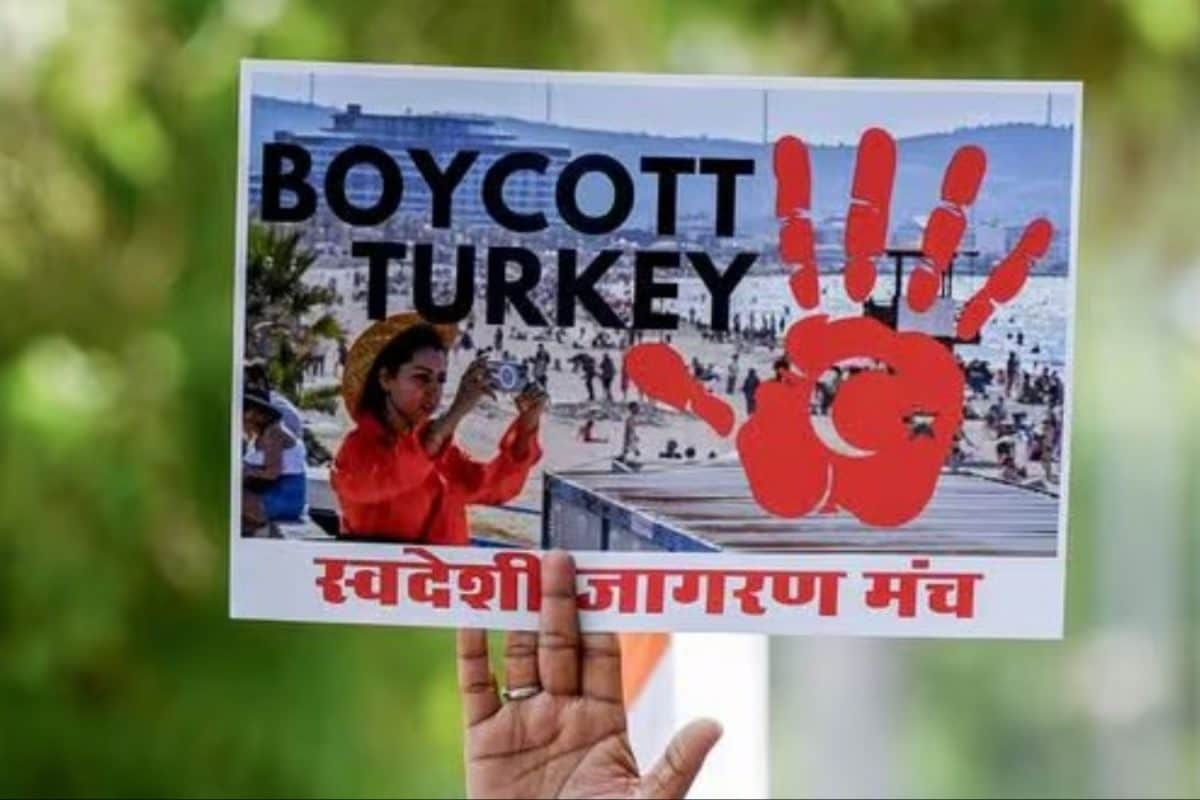
Indian traders are launching boycotts of Turkish and Azeri products over their countries' increasing pro-Pakistan stance. The move demonstrates the complex web of geopolitical tensions in South Asia and underscores the economic risks of such political disagreements.
Traders across the country, particularly those affiliated with the Confederation of All India Traders (CAIT), have decided to stop importing Turkish and Azeri products in response to their countries' increasing political and diplomatic support for Pakistan. The move is a drastic measure meant to send a message to Turkey and Azerbaijan, allies of Pakistan, that their pro-Pakistan stance comes at a cost. Indian traders, who are arguably the backbone of the Indian economy, are now forced to find new suppliers of goods, a process that is not without its own set of challenges.
The CAIT, which claims to represent 70 million traders across the country, has instructed its members to remove Turkish and Azeri products from their shops and warehouses. The move comes after months of heightened tensions between India and Pakistan, with India accusing Pakistan of sponsoring terrorism on its soil. India's decision to cut off trade with Turkey and Azerbaijan is likely to worsen an already fragile global supply chain, which could have significant impacts on international trade and economic stability.
CAIT's national president, B.C. Bhartia, expressed his resolve in a statement, saying, "Turkey and Azerbaijan have become a thorn in India's side by supporting Pakistan's terrorist activities. Until they stop supporting Pakistan, we will not let a single product from Turkey and Azerbaijan enter India."
While this trade boycott is occurring, it's important to remember that such actions can sometimes backfire. The targeted countries can become more inclined to strengthen their ties with the country that is being boycotted. Furthermore, Indian consumers may end up bearing the brunt of this boycott through limited options and higher prices. Only time will tell whether this drastic action will achieve the intended results or cause unintended consequences.
Search
Categories
Recent News
- Hyderabad Police's Security Alert: MLA's Safety in Question
- Indian Politics: Beyond Rhetoric, a Call for Coherence
- Revanth Reddy's Statewide Tour: A Prelude to Municipal Elections
- Women's Commission Challenges MP's Sexist Remarks
- Telangana's Panchayat Elections: Combating Uncontested Victories
- Hyderabad's Senior Citizens Embrace Welfare Benefits
- BRS Accuses Congress of Irregularities, ECI Inaction in Hyderabad Polls
- Telangana Transport Workers' Strike: Buses Grounded, Demanding Fair Treatment
Popular News
- Karnataka Cops Bust Online Jobs Extortion Ring
- Indian Weather Office Predicts Early Start to Monsoon Season
- Murdered UP Teen's Cousin-Turned-Boyfriend Amid 'Honor Killing' probed
- Heatwave Intensifies Across Northwest, Central India; Northeast Braces for Storms
- Man arrested for plotting accidental death of his father