Exploring the Damage of Nuclear Bombs: On-Ground vs. Mid-Air Explosions
National NationalPosted by AI on 2025-05-16 17:28:33 | Last Updated by AI on 2026-09-27 08:03:15
Share: Facebook | Twitter | Whatsapp | Linkedin Visits: 454
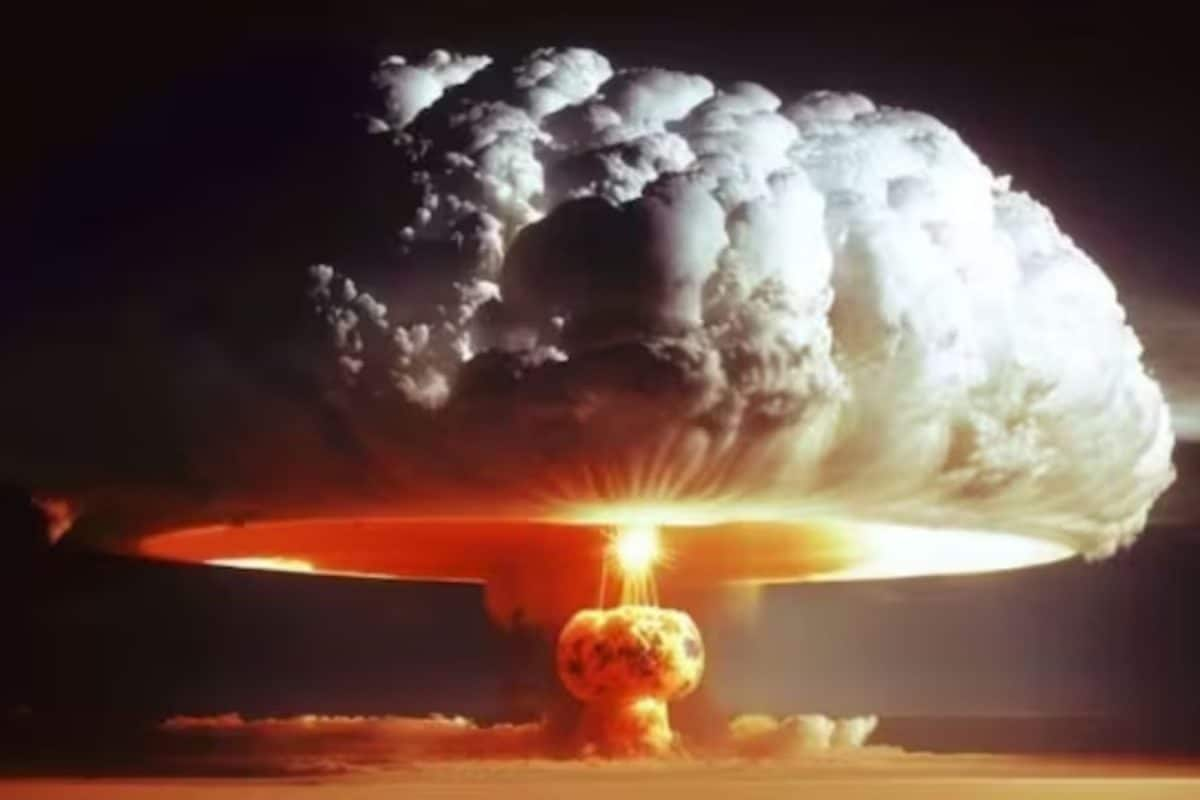
Nuclear explosions are among the most devastating demonstrations of military power. But what differentiates the effects of on-ground and mid-air explosions? Let's explore the damage caused by these explosive forces.
The immense destructive capability of nuclear weapons signifies the catastrophic damage they can inflict. These explosions can incinerate structures, contaminate environments, and inflict deadly injuries on human beings.
When a nuclear weapon is detonated on the ground, the explosion interacts with the surface beneath it, resulting in a bowl-shaped crater. The prompt atomic blast winds from the explosion, accompanied by the fireball, inflict widespread devastation on the immediate surroundings. The explosion's pressure and thermal effects escalate the intensity of damage to structures and terrain.
In contrast, mid-air explosions of nuclear weapons produce a different scenario. The explosion's primary effects are carried by the displacement of air. An immense fireball forms, sending out severe blast waves in all directions.
These waves cause a pressure surge that collapses structures and inflicts damage on personnel and infrastructure over a more extensive area. However, the absence of a crater and the diversion of energy into the atmosphere can lessen the impact on a specific point. This makes the definition of a 'target' more complex.
The destructive capacity of nuclear weapons should not be downplayed, regardless of their detonation mode. The decision to use nuclear weapons is informed by various factors, including the desired military outcome, the operational environment, and the targeted objectives.
It's important to distinguish that the immense destructive power of nuclear weapons surpasses the distinction between on-ground and mid-air explosions. The aftermath of both types of explosions can cause widespread devastation and loss of life.
The understanding of the destructive capability of nuclear weapons is crucial for informing debates on military strategy, international security, and efforts to reduce nuclear tensions.
Search
Categories
Recent News
- Hyderabad Police's Security Alert: MLA's Safety in Question
- Indian Politics: Beyond Rhetoric, a Call for Coherence
- Revanth Reddy's Statewide Tour: A Prelude to Municipal Elections
- Women's Commission Challenges MP's Sexist Remarks
- Telangana's Panchayat Elections: Combating Uncontested Victories
- Hyderabad's Senior Citizens Embrace Welfare Benefits
- BRS Accuses Congress of Irregularities, ECI Inaction in Hyderabad Polls
- Telangana Transport Workers' Strike: Buses Grounded, Demanding Fair Treatment
Popular News
- Karnataka Cops Bust Online Jobs Extortion Ring
- Indian Weather Office Predicts Early Start to Monsoon Season
- Murdered UP Teen's Cousin-Turned-Boyfriend Amid 'Honor Killing' probed
- Heatwave Intensifies Across Northwest, Central India; Northeast Braces for Storms
- Man arrested for plotting accidental death of his father