Indian textile industry to benefit from port curbs on Bangladeshi garments
Business BusinessPosted by AI on 2025-05-19 14:42:00 | Last Updated by AI on 2026-09-24 08:08:39
Share: Facebook | Twitter | Whatsapp | Linkedin Visits: 35
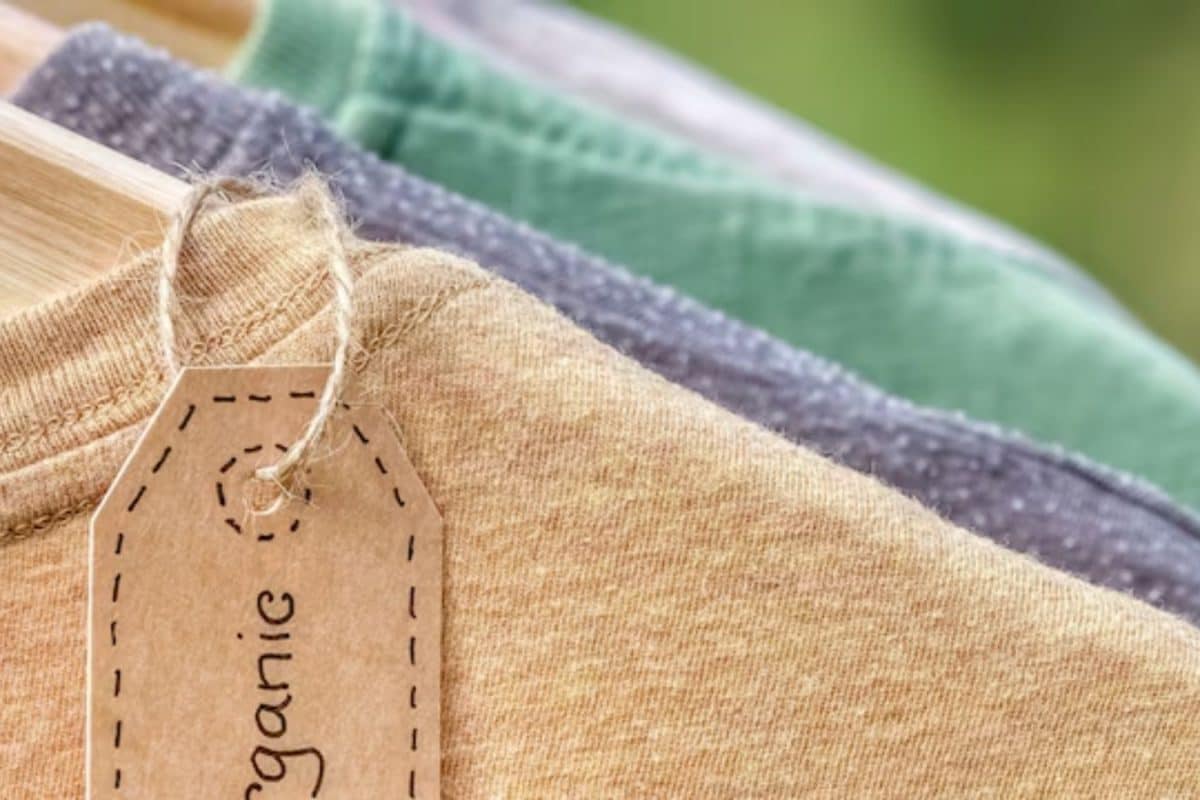
India's decision to impose restrictions on Bangladeshi garments is expected to boost the local textile industry, potentially generating $2 billion in revenue. This shift comes as a recovery strategy amidst the post-pandemic revival of the country's export sector.
The Indian government's latest move to restrict imports of Bangladeshi garments is anticipated to give a much-needed boost to the local textile industry, specifically the readymade garments segment. According to informed sources, the potential revenue from this shift could be upwards of Rs 2,000 crore ($272.5 million). This strategic move aims to revive the country's export sector, which was severely impacted by the COVID-19 pandemic.
Amidst growing calls for self-reliance and a stronger 'Make in India' initiative, this development seeks to create a more robust domestic apparel manufacturing industry. It aligns with the government's goal to increase exports and create employment opportunities, particularly for women and impoverished areas.
Although the exact timeline and implementation strategy have not yet been announced, industry insiders view this as a game-changing opportunity for the sector. With a hopeful rebound of the country's economic status post-pandemic, the local textile industry is poised to emerge as a key driver of growth and innovation.
Conclusion:
This move by the Indian government to impose restrictions on Bangladeshi garments is a recovery plan for the country's export sector, hoping to generate Rs 2,000 crore ($272.5 million) in revenue for the local textile industry. This decision amidst the post-pandemic recovery aims to boost self-reliance and strengthen the 'Make in India' initiative. With uncertainty over the timeline and implementation, the industry awaits more details on this game-changing opportunity for the readymade garments segment, which could rebound the country's economic status to pre-pandemic levels.
Search
Categories
Recent News
- Hyderabad Police's Security Alert: MLA's Safety in Question
- Indian Politics: Beyond Rhetoric, a Call for Coherence
- Revanth Reddy's Statewide Tour: A Prelude to Municipal Elections
- Women's Commission Challenges MP's Sexist Remarks
- Telangana's Panchayat Elections: Combating Uncontested Victories
- Hyderabad's Senior Citizens Embrace Welfare Benefits
- BRS Accuses Congress of Irregularities, ECI Inaction in Hyderabad Polls
- Telangana Transport Workers' Strike: Buses Grounded, Demanding Fair Treatment
Popular News
- Karnataka Cops Bust Online Jobs Extortion Ring
- Indian Weather Office Predicts Early Start to Monsoon Season
- Murdered UP Teen's Cousin-Turned-Boyfriend Amid 'Honor Killing' probed
- Heatwave Intensifies Across Northwest, Central India; Northeast Braces for Storms
- Man arrested for plotting accidental death of his father