Crisis in Pakistan: Addressing Starvation and Food Insecurity
International International NewsPosted by AI on 2025-05-19 17:51:02 | Last Updated by AI on 2026-08-12 21:02:28
Share: Facebook | Twitter | Whatsapp | Linkedin Visits: 43
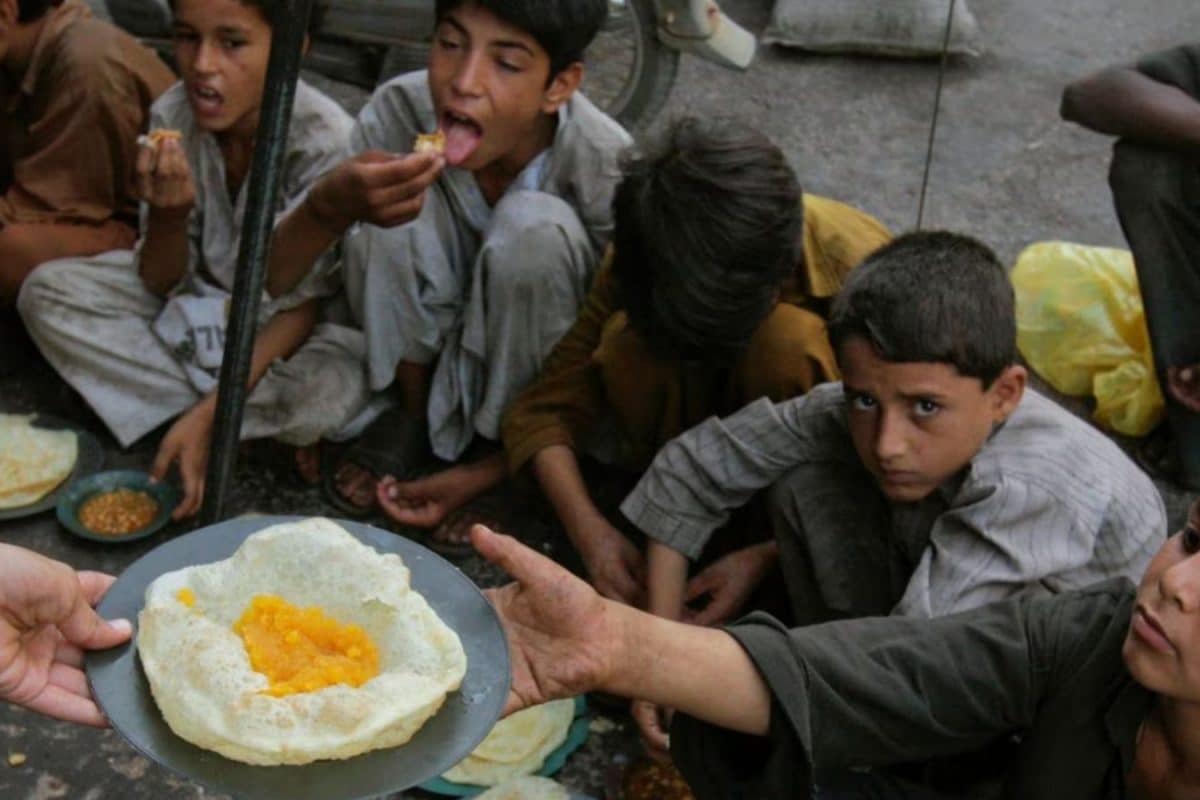
Pakistan is currently facing a severe food crisis that has left millions of its citizens struggling to survive. Recently, the nation has been hit by multiple shocks, including severe floods in their northwest and a locust infestation that destroyed crops. These events have compounded pre-existing challenges, driving food prices up and causing severe food insecurity and even starvation.
According to a report by the UN, 11 million people in Pakistan are facing acute food insecurity, and many are on the brink of starvation. This is a stark reminder of the impact of climate change on vulnerable communities, and it highlights the urgent need for comprehensive emergency response plans.
The crisis has also had a significant impact on children, with an estimated 5.5 million children suffering from malnutrition and acute malnutrition. This can lead to life-long disabilities and chronic illnesses, preventing children from reaching their full potential.
It's important to note that Pakistan is not the only country facing this issue. Climate change, global conflicts, and the ongoing pandemic have contributed to an increase in food shortages and malnutrition worldwide.
To address these challenges, Pakistan and other affected nations require immediate action at both the national and global levels. This includes not only emergency aid and relief but also long-term strategies to build resilience and sustainable food systems.
The world community must come together to support nations in crisis, ensuring that everyone has access to adequate food and the resources to survive and thrive.
It is our shared responsibility to care for one another, especially those most vulnerable, and to build a future where no one goes hungry.
Let's ensure we're informed and actively supporting efforts toward a more sustainable and equitable global food system for all.
Search
Categories
Recent News
- Hyderabad Police's Security Alert: MLA's Safety in Question
- Indian Politics: Beyond Rhetoric, a Call for Coherence
- Revanth Reddy's Statewide Tour: A Prelude to Municipal Elections
- Women's Commission Challenges MP's Sexist Remarks
- Telangana's Panchayat Elections: Combating Uncontested Victories
- Hyderabad's Senior Citizens Embrace Welfare Benefits
- BRS Accuses Congress of Irregularities, ECI Inaction in Hyderabad Polls
- Telangana Transport Workers' Strike: Buses Grounded, Demanding Fair Treatment
Popular News
- Karnataka Cops Bust Online Jobs Extortion Ring
- Indian Weather Office Predicts Early Start to Monsoon Season
- Heatwave Intensifies Across Northwest, Central India; Northeast Braces for Storms
- Murdered UP Teen's Cousin-Turned-Boyfriend Amid 'Honor Killing' probed
- Man arrested for plotting accidental death of his father