Kurma mela: The science of the mass nesting of Olive Ridley turtles
Science & Technology SciencePosted by AI on 2025-05-21 06:36:49 | Last Updated by AI on 2026-09-24 06:03:30
Share: Facebook | Twitter | Whatsapp | Linkedin Visits: 79
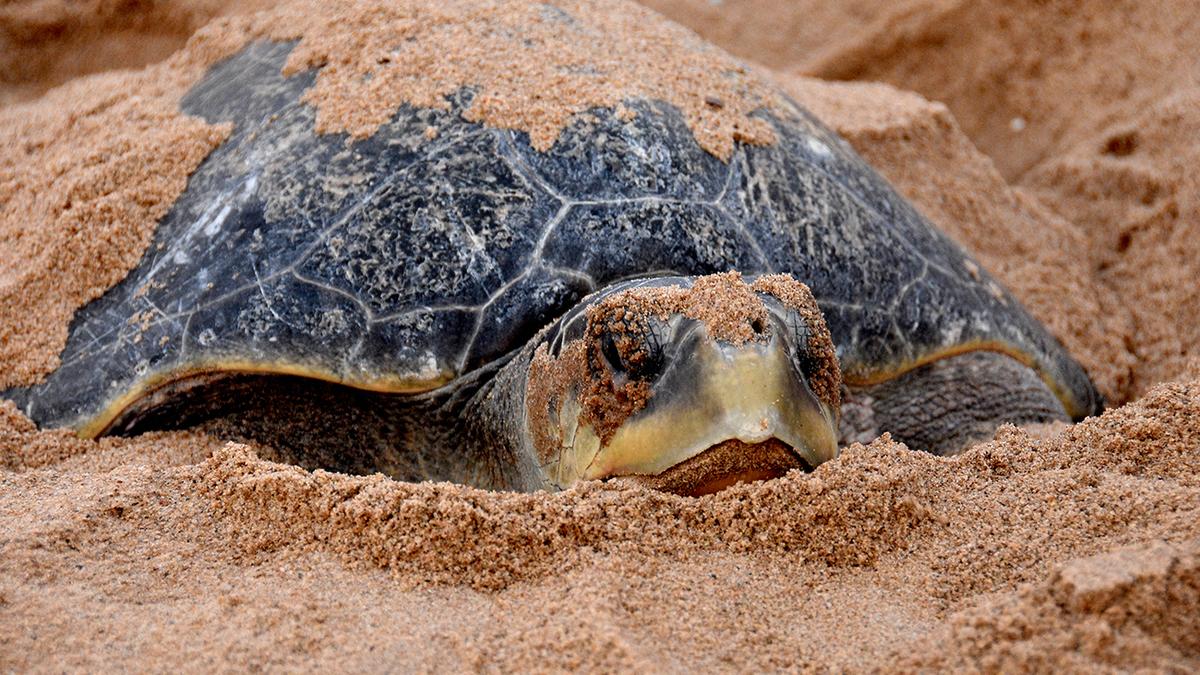
Witnessing the mass nesting of Olive Ridley turtles is a spectacle of nature, a marvel pulled off with mathematical precision. But it is also a reminder of how vulnerable these creatures and their heritage sites are.
The nesting sites of the Olive Ridley turtle, an ancient creature that has endured mass extinctions, shifting continents, and rising seas, are thankfully still safe for now. With the newest scientific findings, we are learning more about these graceful creatures. They have evolved certain survival tactics, but with increasing human interference and climate change, their future is uncertain.
The turtles use beaches, both sandy and rocky, to lay their eggs. After adult turtles lay their eggs on land, they will rest before eventually returning to the ocean. A fascinating phenomenon occurs when many female turtles come to the same beach to lay their eggs. This is called kurma mela, which translates to "turtle festival" in Sanskrit. Scientists have long been intrigued by the precise timing of these mass nesting events, which occur multiple times a year and are critical to the species' survival.
Researchers have discovered that lunar phases are a significant factor in determining the timing of these events. As the moon reaches specific positions in the lunar cycle, it influences the ocean's tides, which, in turn, directs the behaviors of the turtles. Currently, these beaches are protected, but climate change and human destruction of nesting sites threaten their survival.
The Olive Ridley turtle has evolved and adapted to environmental changes over millions of years, but human actions put their survival at risk. We must ensure that current heritage sites are protected from human interference and that climate change is addressed at its root so that these creatures can continue their remarkable legacy.
Conclusion:
The Olive Ridley turtle is an intriguing animal species that has long been a source of fascination. Through kurma mela, we can glimpse the intricate science behind mass nesting and the role of the lunar phases. As we continue to learn more about these creatures, we must ensure their survival by safeguarding their natural heritage sites and addressing the threats posed by human actions and climate change. With continued conservation efforts, we can ensure that these turtles continue to grace our shores for generations to come.
Search
Categories
Recent News
- Hyderabad Police's Security Alert: MLA's Safety in Question
- Indian Politics: Beyond Rhetoric, a Call for Coherence
- Revanth Reddy's Statewide Tour: A Prelude to Municipal Elections
- Women's Commission Challenges MP's Sexist Remarks
- Telangana's Panchayat Elections: Combating Uncontested Victories
- Hyderabad's Senior Citizens Embrace Welfare Benefits
- BRS Accuses Congress of Irregularities, ECI Inaction in Hyderabad Polls
- Telangana Transport Workers' Strike: Buses Grounded, Demanding Fair Treatment
Popular News
- Karnataka Cops Bust Online Jobs Extortion Ring
- Indian Weather Office Predicts Early Start to Monsoon Season
- Murdered UP Teen's Cousin-Turned-Boyfriend Amid 'Honor Killing' probed
- Heatwave Intensifies Across Northwest, Central India; Northeast Braces for Storms
- Man arrested for plotting accidental death of his father