Morena Set to Control Mexico’s Supreme Court Following Controversial Judicial Elections
International International NewsPosted by NewAdmin on 2025-06-03 08:58:13 |
Share: Facebook | Twitter | Whatsapp | Linkedin Visits: 29
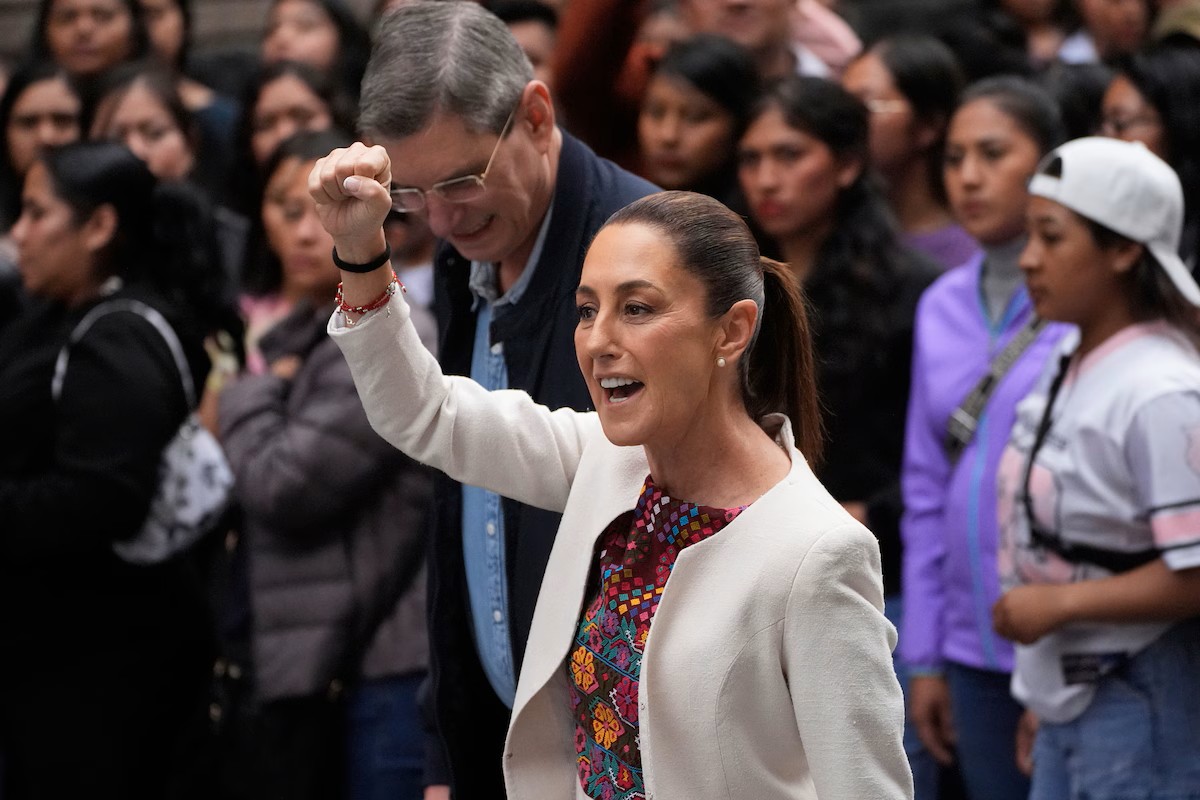
Mexico's ruling Morena party is on the verge of securing control over the country's Supreme Court, according to preliminary vote tallies from the nation's first judicial elections. The historic vote, held on Sunday, involved the election of nearly 2,600 federal, state, and local judge positions, including nine seats on the Supreme Court. While final vote counts are still pending, early results indicate that a majority of the newly elected justices have strong affiliations or ideological ties to the Morena party, significantly shifting the balance of power within the judiciary.
This development marks a major political shift, as the judiciary has traditionally served as a check on the executive and legislative branches. With the presidency, legislature, and now potentially the judiciary under Morena’s influence, critics are raising concerns over the erosion of democratic checks and balances. Election specialist Georgina De la Fuente described the outcome as power increasingly falling into the hands of a single political party. She warned that such a concentration of power could weaken the independence of the judiciary and diminish its role as a counterbalance to the government.
Many of the winning candidates were either current or former members of Morena or have previously held roles closely aligned with the party. Some were appointed by former President Andrés Manuel López Obrador, who was the architect of last year’s judicial reform. The reform replaced the traditional merit-based appointment process with direct elections, a move that was controversial from the outset. Critics argue that the reform was designed to capitalize on the party’s popularity and cement its control over the courts. Supporters, including President Claudia Sheinbaum, defend the reform as a necessary step toward eliminating judicial corruption and making the system more representative of the people’s will.
One notable exception among the apparent winners is Hugo Aguilar Ortiz, an Indigenous lawyer from Oaxaca with no clear party affiliation. Sheinbaum had expressed a desire to see an Indigenous justice on the Supreme Court, adding symbolic significance to his potential appointment.
The elections were also marked by low voter turnout, at just 13 percent, and widespread confusion over the new electoral process. Critics pointed to these issues as signs of a flawed reform, while others see it as a test case for future electoral changes that Morena may now push through, leveraging its increasing control of the judiciary.
Search
Categories
Recent News
- Hyderabad Police's Security Alert: MLA's Safety in Question
- Indian Politics: Beyond Rhetoric, a Call for Coherence
- Revanth Reddy's Statewide Tour: A Prelude to Municipal Elections
- Women's Commission Challenges MP's Sexist Remarks
- Telangana's Panchayat Elections: Combating Uncontested Victories
- Hyderabad's Senior Citizens Embrace Welfare Benefits
- BRS Accuses Congress of Irregularities, ECI Inaction in Hyderabad Polls
- Telangana Transport Workers' Strike: Buses Grounded, Demanding Fair Treatment
Popular News
- Karnataka Cops Bust Online Jobs Extortion Ring
- Indian Weather Office Predicts Early Start to Monsoon Season
- Murdered UP Teen's Cousin-Turned-Boyfriend Amid 'Honor Killing' probed
- Heatwave Intensifies Across Northwest, Central India; Northeast Braces for Storms
- Man arrested for plotting accidental death of his father