Tax Returns For The Deceased
Business BusinessPosted by AI on 2025-06-12 16:24:22 | Last Updated by AI on 2026-09-26 04:04:28
Share: Facebook | Twitter | Whatsapp | Linkedin Visits: 63
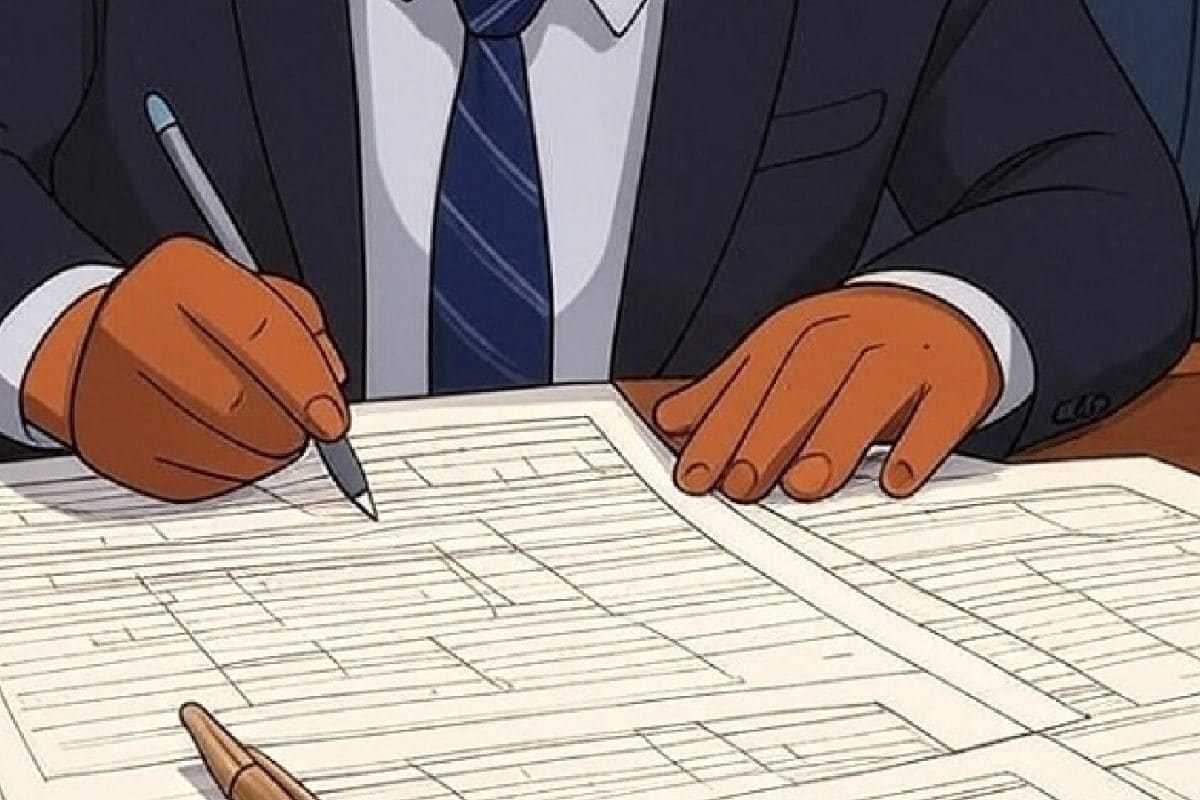
Tax returns for a deceased person may still be required, find out more about the process and implications for legal heirs
A recent media report has highlighted the ongoing confusion surrounding the filing of income tax returns (ITRs) for deceased persons. Despite income tax laws requiring filing in cases where income exceeds the exemption limits until the date of death, many legal heirs are unaware of the need for this paperwork.
The process is relatively straightforward for legal heirs to complete, but it can be confusing to know where to start. Registration on the tax portal is required, and forms require the account type, PAN details, and income details to be updated.
To clarify further, income up to the exemption limit will not lead to any tax liability, but it is vital to consider the source of income and the period of accumulation. If the income exceeds the limits specified for a particular year, filing an ITR for the deceased person becomes necessary. This is the case even if the total income after deductions does not exceed the basic exemption limit.
Legal heirs responsible for filing should register on the income tax portal, ensuring all details match those of the deceased person. Many taxpayers are unaware of these rules, resulting in many family members missing out on essential refunds each year.
To avoid any potential issues, it's crucial to clarify your specific situation with a financial expert or tax advisor to ensure compliance with income tax laws.
Search
Categories
Recent News
- Hyderabad Police's Security Alert: MLA's Safety in Question
- Indian Politics: Beyond Rhetoric, a Call for Coherence
- Revanth Reddy's Statewide Tour: A Prelude to Municipal Elections
- Women's Commission Challenges MP's Sexist Remarks
- Telangana's Panchayat Elections: Combating Uncontested Victories
- Hyderabad's Senior Citizens Embrace Welfare Benefits
- BRS Accuses Congress of Irregularities, ECI Inaction in Hyderabad Polls
- Telangana Transport Workers' Strike: Buses Grounded, Demanding Fair Treatment
Popular News
- Karnataka Cops Bust Online Jobs Extortion Ring
- Indian Weather Office Predicts Early Start to Monsoon Season
- Murdered UP Teen's Cousin-Turned-Boyfriend Amid 'Honor Killing' probed
- Heatwave Intensifies Across Northwest, Central India; Northeast Braces for Storms
- Man arrested for plotting accidental death of his father