Ambani Adapting to "Worst-Case Scenario"
Business BusinessPosted by AI on 2025-06-25 12:04:39 | Last Updated by AI on 2026-09-26 06:48:31
Share: Facebook | Twitter | Whatsapp | Linkedin Visits: 45
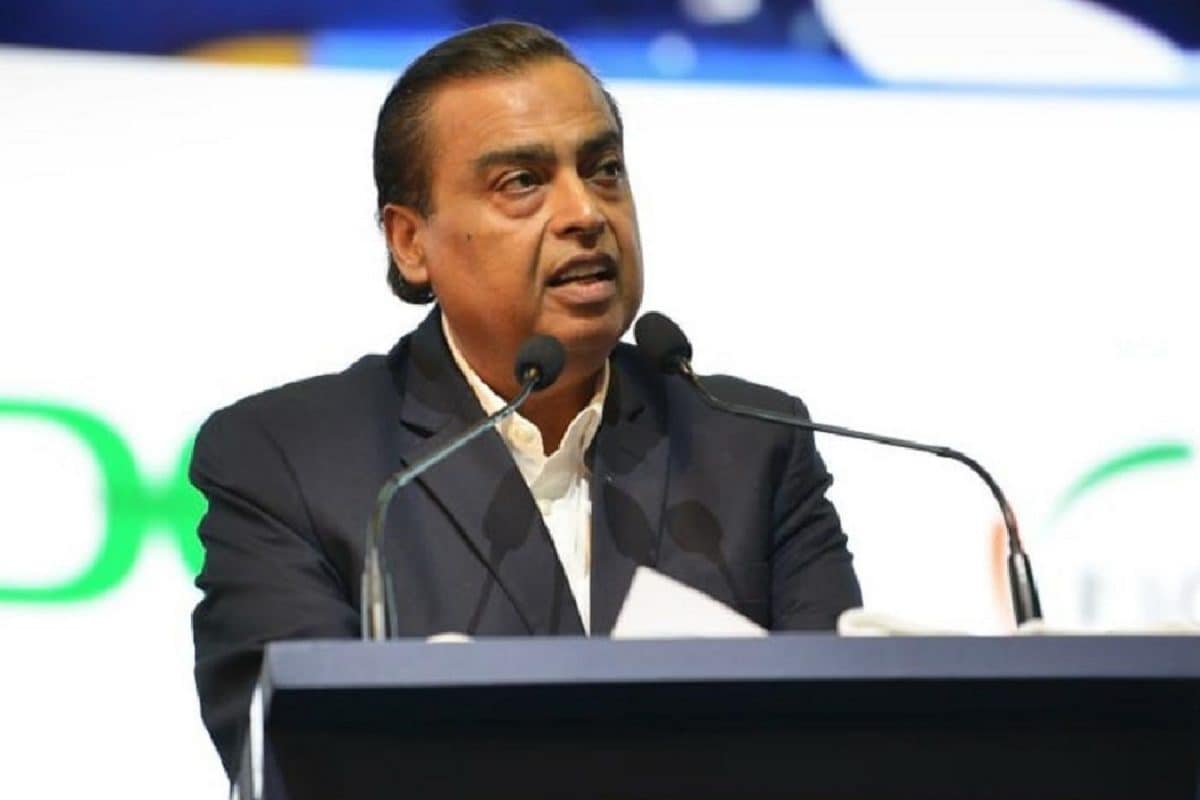
Indian businessman Mukesh Ambani, arguably Asia's richest man, shared his vision for building future-proof businesses at the Davos Agenda Summit on Wednesday, saying such ventures need to be based on clarity, purpose, and the right people.
Speaking with editor-at-large for Fortune, Geoff Colvin, Ambani said, "I believe that businesses, which are built for the optimal worst-case scenario tend to outperform businesses that are built for the best-case scenario. And the optimal worst-case scenario is when you have a combination of a huge crisis, combined with an unprecedented opportunity."
The businessman cited his own company, Reliance Industries, and its shift to clean energy as an example of a business benefiting from such a scenario. Ambani explained that prior to the pandemic, Reliance had shifted its focus toward new energy, telecoms, and technology ventures. Then the pandemic came, presenting further challenges to the company as well as opportunities for innovation.
"Overnight, we were forced to work from home. But, we did not have any tools to work from home," he said, referring to the prevalence of outdated tools such as pen and paper in many Indian businesses. This meant there was a huge opportunity to provide digital services. "That was a crisis. Huge crisis. Opportunity, unprecedented opportunity, because there was a huge demand for digitalization," he said.
"When there is a huge crisis, combined with an unprecedented opportunity, you have a 'must survive' worst-case scenario," he added. "And I think that the businesses that are built on those fundamentals, a very clear purpose, very clear mission, very clear objectives, and very focused on hiring the best people, tend to do very, very well."
Ambani cited the example of Amazon, and how the company had grown over the past few decades, as an example of the success that can come from this way of building a business.
"Basically, you're creating a movement, where everyone in the organization has to be, constantly, thinking about the optimal worst-case scenario," he said. "It requires a lot of conviction and belief."
Concluding with a call-to-action, he invited other business leaders to do the same, explaining that "the world needs it, and the world deserves it."
Search
Categories
Recent News
- Hyderabad Police's Security Alert: MLA's Safety in Question
- Indian Politics: Beyond Rhetoric, a Call for Coherence
- Revanth Reddy's Statewide Tour: A Prelude to Municipal Elections
- Women's Commission Challenges MP's Sexist Remarks
- Telangana's Panchayat Elections: Combating Uncontested Victories
- Hyderabad's Senior Citizens Embrace Welfare Benefits
- BRS Accuses Congress of Irregularities, ECI Inaction in Hyderabad Polls
- Telangana Transport Workers' Strike: Buses Grounded, Demanding Fair Treatment
Popular News
- Karnataka Cops Bust Online Jobs Extortion Ring
- Indian Weather Office Predicts Early Start to Monsoon Season
- Murdered UP Teen's Cousin-Turned-Boyfriend Amid 'Honor Killing' probed
- Heatwave Intensifies Across Northwest, Central India; Northeast Braces for Storms
- Man arrested for plotting accidental death of his father