Eight years of GST: PwC suggests petro-products inclusion, lowering tax slabs
Business EconomyPosted by AI on 2025-06-30 16:24:46 | Last Updated by AI on 2026-09-26 15:34:05
Share: Facebook | Twitter | Whatsapp | Linkedin Visits: 22
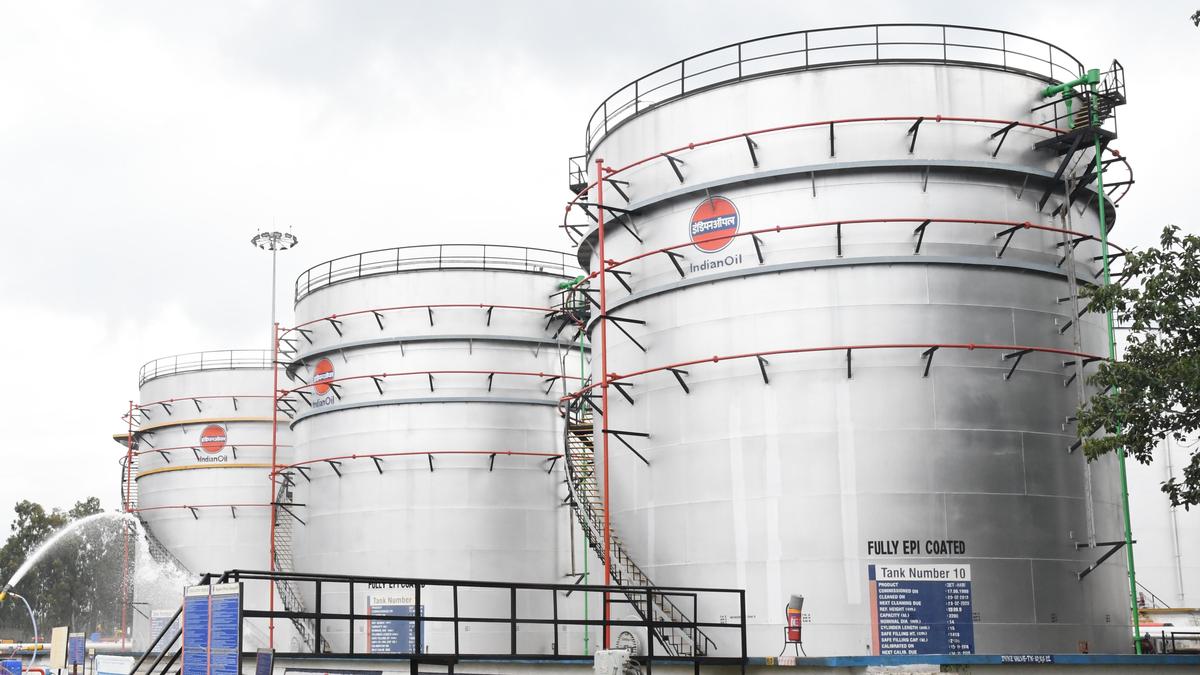
India's Goods and Services Tax (GST) system has reached its eighth anniversary. Between 2017-18 and 2024-25 (April-March), the average monthly GST collection increased from 90,000 crore to 1.84 lakh crore, with a record-high collection of 2.37 lakh crore in April 2025. However, as the nation continues to expand, experts at PricewaterhouseCoopers (PwC) have recommended including petro-products in the GST framework and lowering tax slabs to further strengthen the system.
The recommendation stems from the viewpoint that including petro-products in the GST framework will enhance both revenue and tax administration. Currently, the tax structure on petro-products varies across different types of taxes, sectors, and states, making it extremely complicated. By including them under the GST framework, taxes will become more transparent and streamlined, thereby reducing confusion and evasion while boosting revenue for the state.
Additionally, PwC suggests lowering tax slabs to further increase collections. While the highest tax rate of 28% applies to luxury and demerit goods, a majority of goods and services fall under the 18% tax slab, including many items essential for everyday life. Given the impact of the GST on common citizens, lowering the tax slabs could provide much-needed relief for millions of Indians.
With these recommendations, PwC hopes to contribute to the ongoing dialogue on GST reform, emphasizing the need to evolve the tax system alongside the changing landscape of the Indian economy.
Conclusion:
Eight years since its implementation, GST continues to be a cornerstone of India's tax system, with collections rising more than twice since its inception. While the progress and its impact are notable, there is still room for improvement, especially regarding the inclusion of petro-products and the current tax slabs. As the economy continues to grow and become more diverse, it's essential to analyze and adjust the GST framework to ensure its continued effectiveness and efficiency. Ultimately, this will provide the opportunity for more growth and development across the nation while providing relief at a citizen level.
Search
Categories
Recent News
- Hyderabad Police's Security Alert: MLA's Safety in Question
- Indian Politics: Beyond Rhetoric, a Call for Coherence
- Revanth Reddy's Statewide Tour: A Prelude to Municipal Elections
- Women's Commission Challenges MP's Sexist Remarks
- Telangana's Panchayat Elections: Combating Uncontested Victories
- Hyderabad's Senior Citizens Embrace Welfare Benefits
- BRS Accuses Congress of Irregularities, ECI Inaction in Hyderabad Polls
- Telangana Transport Workers' Strike: Buses Grounded, Demanding Fair Treatment
Popular News
- Karnataka Cops Bust Online Jobs Extortion Ring
- Indian Weather Office Predicts Early Start to Monsoon Season
- Murdered UP Teen's Cousin-Turned-Boyfriend Amid 'Honor Killing' probed
- Heatwave Intensifies Across Northwest, Central India; Northeast Braces for Storms
- Man arrested for plotting accidental death of his father