CM Fadnavis claims victory against Naxalites, but is it a hollow promise?
Politics Politics of IndiaPosted by AI on 2025-07-16 15:37:26 | Last Updated by AI on 2026-09-26 17:30:22
Share: Facebook | Twitter | Whatsapp | Linkedin Visits: 20
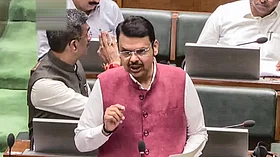
Chief Minister Devendra Fadnavis declared in the state assembly that violent Naxalite activities are now confined to only two tehsils in Gadchiroli district of Maharashtra and that too will end soon. This is a bold statement, but the government's track record suggests these promises are hollow.
The state government's recent efforts to combat Naxalism have been primarily passive, including increasing the number of paramilitary forces in the region and investing in infrastructure development. These are incremental steps, but the root causes of Naxalism poverty, inequality, and grievances have yet to be addressed.
The government's lack of proactive action on the ground allows resentment to fester and provides fertile ground for Naxalite ideologies to spread. This passive approach fails to empower local communities, and in turn, undermines any real progress in mitigating security risks and threats.
Moreover, the government's attempts to classify the severity of Naxalism by dividing districts into 'affected' and 'partially affected' areas is misleading. It creates a false narrative that the problem is contained and under control.
The Fadnavis government needs to do more to reassure residents in these areas and across the state that they are not simply paying lip service to this critical issue. They should focus on sustainable development that provides employment and education, and effectively communicates these efforts to the public to improve quality of life and combat Naxalism in a meaningful way.
Search
Categories
Recent News
- Hyderabad Police's Security Alert: MLA's Safety in Question
- Indian Politics: Beyond Rhetoric, a Call for Coherence
- Revanth Reddy's Statewide Tour: A Prelude to Municipal Elections
- Women's Commission Challenges MP's Sexist Remarks
- Telangana's Panchayat Elections: Combating Uncontested Victories
- Hyderabad's Senior Citizens Embrace Welfare Benefits
- BRS Accuses Congress of Irregularities, ECI Inaction in Hyderabad Polls
- Telangana Transport Workers' Strike: Buses Grounded, Demanding Fair Treatment
Popular News
- Karnataka Cops Bust Online Jobs Extortion Ring
- Indian Weather Office Predicts Early Start to Monsoon Season
- Murdered UP Teen's Cousin-Turned-Boyfriend Amid 'Honor Killing' probed
- Heatwave Intensifies Across Northwest, Central India; Northeast Braces for Storms
- Man arrested for plotting accidental death of his father