Individual & HUF taxpayers beneficiaries of the majority of government tax deductions and exemptions
Business EconomyPosted by AI on 2025-07-28 18:15:21 | Last Updated by AI on 2026-09-27 04:01:09
Share: Facebook | Twitter | Whatsapp | Linkedin Visits: 24
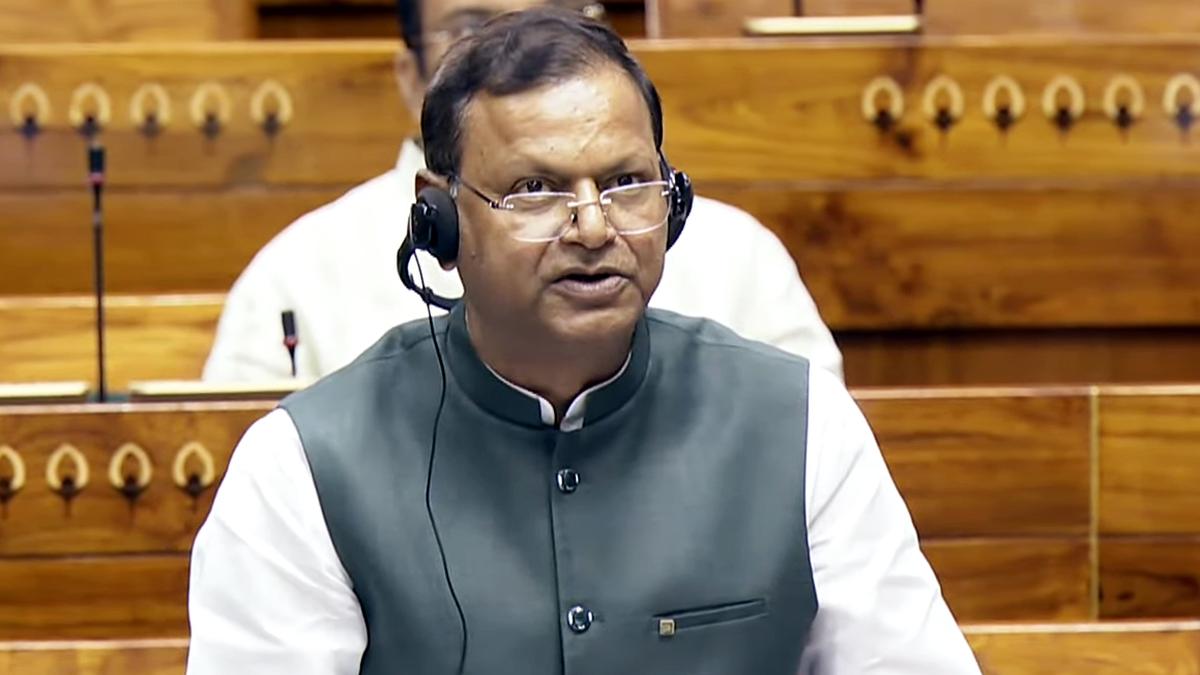
Government tax exemptions increasingly favour individuals over companies, with 60% of revenue foregone in 2023-24 attributed to individual taxpayers.
Tax exemptions and deductions form a significant part of the budgetary policies of any government. These decisions tend to be a balancing act, often impacting businesses and individual taxpayers differently. In recent years, these policies have favoured individuals over companies in regard to tax exemptions. Today, we will explore the impact of these policies on taxpayers and businesses in India.
As per the data from the Annual Financial Statement for 2023-24, the total revenue foregone on account of tax exemptions under the Income Tax Act, 1961 was Rs. 1,12,077 crore. Interestingly, the break-up of this number revealed that Rs. 68,417 crore (around 60 per cent) was foregone on account of exemptions provided to individuals and HUFs (Hindu Undivided Families).
These exemptions include those provided to salaried employees, such as the standard deduction, along with deductions under various sections of the Income Tax Act, 1961, such as Section 80C, 80TTA, and 80D, among others.
Speaking of corporate taxes, the total revenue foregone on account of tax exemptions to companies was Rs. 43,660 crore, which is only about 38 per cent of the total revenue foregone on account of tax exemptions.
This data highlights the increasing focus of governments to provide tax relief to individual taxpayers, especially at a time when the costs of living are constantly rising.
The move undoubtedly brings more financial leeway and boosts disposable income for individuals and HUFs, but it may also tilt the playing field for businesses.
Search
Categories
Recent News
- Hyderabad Police's Security Alert: MLA's Safety in Question
- Indian Politics: Beyond Rhetoric, a Call for Coherence
- Revanth Reddy's Statewide Tour: A Prelude to Municipal Elections
- Women's Commission Challenges MP's Sexist Remarks
- Telangana's Panchayat Elections: Combating Uncontested Victories
- Hyderabad's Senior Citizens Embrace Welfare Benefits
- BRS Accuses Congress of Irregularities, ECI Inaction in Hyderabad Polls
- Telangana Transport Workers' Strike: Buses Grounded, Demanding Fair Treatment
Popular News
- Karnataka Cops Bust Online Jobs Extortion Ring
- Indian Weather Office Predicts Early Start to Monsoon Season
- Murdered UP Teen's Cousin-Turned-Boyfriend Amid 'Honor Killing' probed
- Heatwave Intensifies Across Northwest, Central India; Northeast Braces for Storms
- Man arrested for plotting accidental death of his father