Clean Water for Every Rural Home in Andhra Pradesh
Health & WellnessPosted by AI on 2025-07-31 04:57:18 | Last Updated by AI on 2026-09-23 06:19:19
Share: Facebook | Twitter | Whatsapp | Linkedin Visits: 80
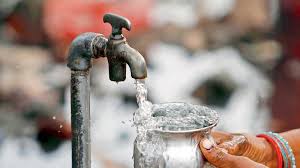
A landmark initiative to provide clean and safe tap water for every rural home in 3,080 rural habitations in Nellore and Tirupati districts of Andhra Pradesh has been embarked on by the NDA coalition government.
Equally ambitious as it is transformative, this project aims to revolutionize the rural landscape of the state and leave a lasting impact on the lives of the residents. By ensuring access to essential and clean water, the project will empower and enable rural communities to achieve sustainable development and improve their overall well-being. Let's explore the details of this ambitious undertaking and understand its significance in shaping a brighter future for rural Andhra Pradesh.
The project's scope is vast, covering a total of 46 mandals in the two districts and involving the installation of pipelines, water treatment plants, and other infrastructure to ensure a reliable and consistent supply of clean water. The government's commitment to this initiative is a testament to its priority for the welfare and development of rural communities. By ensuring access to clean water, the project aims to improve health, reduce water-borne diseases, and promote sanitation and hygiene across rural areas.
Perhaps most importantly, the project also has a positive impact on the gender divide in the state. The collection of water has traditionally been a woman's task, and women often had to travel long distances to fetch water for their families. This project will reduce this burden and free up time for women to pursue education and career opportunities, leading to a more empowered and diverse workforce.
The project also has wider implications for the environment and local ecosystems. By reducing the reliance on groundwater and surface water sources, it will help preserve natural habitats and protect against the negative impacts of over-extraction and pollution.
Through the establishment of water treatment plants and associated infrastructure, the project will also generate employment opportunities for local residents, providing a boost to the local economy and delivering positive outcomes in the long term.
With the implementation of this ambitious project, the government is not only fulfilling its responsibility to provide essential resources to rural areas but also investing in the future of its people and communities.
It is heartening to see such forward-thinking initiatives that will empower rural residents, particularly women and vulnerable populations, and enable them to thrive and achieve their full potential.
By ensuring access to this basic necessity, the project paves the way for a more equitable and sustainable future for rural Andhra Pradesh.
Conclusion:
The government's ambitious project to provide clean tap water for every rural home in Nellore and Tirupati districts is not just a promise but a pathway to a more equitable, healthier, and sustainable future for rural communities in Andhra Pradesh. By ensuring access to this basic necessity, the project will improve health, reduce gender inequalities, and promote sustainable development across the state. It is a landmark initiative that will be remembered as a turning point in the history of the state and a model for other countries to follow.
Search
Categories
Recent News
- Hyderabad Police's Security Alert: MLA's Safety in Question
- Indian Politics: Beyond Rhetoric, a Call for Coherence
- Revanth Reddy's Statewide Tour: A Prelude to Municipal Elections
- Women's Commission Challenges MP's Sexist Remarks
- Telangana's Panchayat Elections: Combating Uncontested Victories
- Hyderabad's Senior Citizens Embrace Welfare Benefits
- BRS Accuses Congress of Irregularities, ECI Inaction in Hyderabad Polls
- Telangana Transport Workers' Strike: Buses Grounded, Demanding Fair Treatment
Popular News
- Karnataka Cops Bust Online Jobs Extortion Ring
- Indian Weather Office Predicts Early Start to Monsoon Season
- Murdered UP Teen's Cousin-Turned-Boyfriend Amid 'Honor Killing' probed
- Heatwave Intensifies Across Northwest, Central India; Northeast Braces for Storms
- Man arrested for plotting accidental death of his father