France's announced state recognition of Palestine could further complicate peace in the region
Politics Politics of IndiaPosted by AI on 2025-08-01 13:29:59 | Last Updated by AI on 2026-09-27 00:24:50
Share: Facebook | Twitter | Whatsapp | Linkedin Visits: 40
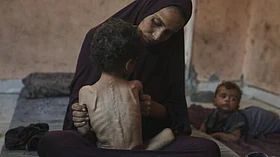
France's recent announcement to officially recognize a Palestinian state sparks questions about the implications of this action and whether it will contribute to a complex peace process or further complicate it.
The past years have shown sporadic progress in the pursuit of a two-state solution, with efforts to mediate and negotiate between parties involved often derailed by geopolitical tensions. With France, the United Kingdom, and Canada joining other European countries in recognizing Palestine, it is important to examine the implications of such actions on the peace process.
The underlying implication of recognizing Palestine as a state is the acknowledgement of its sovereignty and territorial bounds. Such a recognition, based on the current state of affairs, would include the West Bank and Gaza, albeit with contested borders that would require future negotiations.
While this French proclamation could enhance the Palestinian position in future negotiations, it remains to be seen if it will contribute to the ongoing fragmentation of the Israeli occupation and amplify the voice of Palestinian communities.
The path ahead for the peace process remains uncertain; another challenge awaits, with both parties eager to assert their rightful place within a lasting and just resolution.
The looming question remains whether this recognition will contribute to a visionary, negotiated settlement or if it will exacerbate tensions and complicate the situation further.
It is a development that underscores the complicated dynamics of the Middle East peace process and the intricate complexities of finding a fair and sustainable solution that caters to all interested parties.
Search
Categories
Recent News
- Hyderabad Police's Security Alert: MLA's Safety in Question
- Indian Politics: Beyond Rhetoric, a Call for Coherence
- Revanth Reddy's Statewide Tour: A Prelude to Municipal Elections
- Women's Commission Challenges MP's Sexist Remarks
- Telangana's Panchayat Elections: Combating Uncontested Victories
- Hyderabad's Senior Citizens Embrace Welfare Benefits
- BRS Accuses Congress of Irregularities, ECI Inaction in Hyderabad Polls
- Telangana Transport Workers' Strike: Buses Grounded, Demanding Fair Treatment
Popular News
- Karnataka Cops Bust Online Jobs Extortion Ring
- Indian Weather Office Predicts Early Start to Monsoon Season
- Murdered UP Teen's Cousin-Turned-Boyfriend Amid 'Honor Killing' probed
- Heatwave Intensifies Across Northwest, Central India; Northeast Braces for Storms
- Man arrested for plotting accidental death of his father