'Why Get So Touchy?' SC Asks BJP Leader To Close Defamation Case Against Shashi Tharoor
Politics Politics of IndiaPosted by AI on 2025-08-01 15:07:44 | Last Updated by AI on 2026-09-27 01:14:25
Share: Facebook | Twitter | Whatsapp | Linkedin Visits: 46
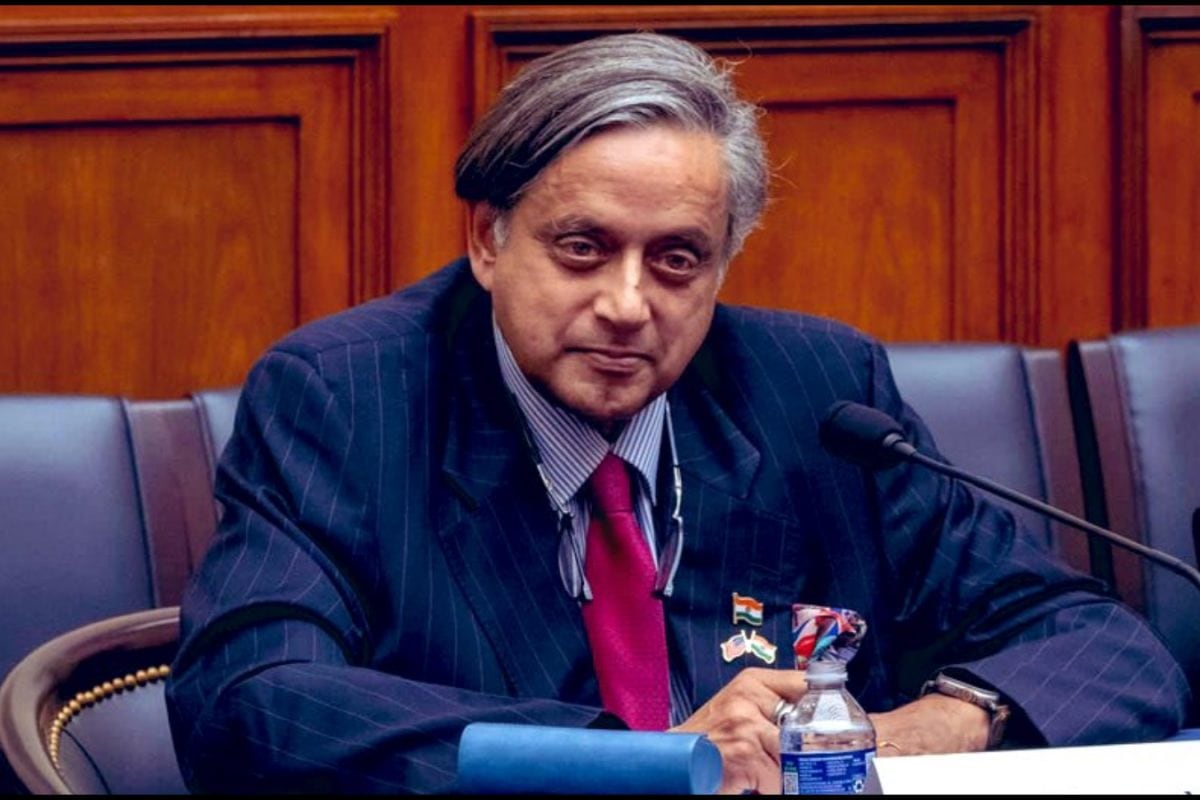
The Supreme Court has asked BJP leader Rajiv Babbar to cease litigation against Shashi Tharoor for allegedly comparing Prime Minister Narendra Modi to a scorpion.
The apex court deemed the comparison as "inoffensive" and asserted that Tharoor's argument that his remarks were protected by freedom of speech should be entertained in court. The previous defamation case against the Congress MP was filed by Babbar in 2018, following Tharoor's commentary on Modi regarding a scorpion analogy during a speech in the Lok Sabha.
The BJP's spokesperson for Delhi, Rajiv Babbar, filed the case, alleging that Tharoor's remarks defamed the prime minister and hampered his image. The top court's observation came after it had disposed of an appeal filed by Tharoor against the Delhi High Court's decision not to quash the case.
The court expressed its dissatisfaction with the BJP leader's persistence in pursuing the case, stating that Babbar should have closed the matter mutually with Tharoor. The apex court advised both parties to resolve the issue amicably within a month, failing which the court would adjudicate the case.
The enigmatic scorpion analogy
During the Lok Sabha debate, Tharoor compared the prime minister to a scorpion, claiming that stings were a "defining characteristic" of scorpions. His statement came in response to allegations that his speech in the parliament was insulting to the prime minister.
He went on to say that his comments were made in the spirit of constructive criticism and were well within the boundaries of freedom of speech.
This isn't the first time that Tharoor's comments have stirred controversy and legal implications. His prolific and nuanced use of language sometimes lands him in hot water, and he is known for his witty comparisons and elaborate rhetoric.
The apex court's decision to deem Tharoor's remarks as protected under the freedom of speech and expression may set a precedent for future remarks made against public figures.
In light of this decision, it will be interesting to see if and how politicians and the general public alike reconsider their choice of words, knowing that their statements may be subject to legal scrutiny.
The case highlights the delicate balance between political debate, freedom of speech, and defamation in India.
Given the country's vibrant political climate, this decision is likely to impact how politicians and members of the public interact with one another, at least verbally.
Perhaps the most important thing is how this situation will be navigated between now and the next election. Will we see a renewed sense of freedom in political commentary? Or will things go back to the usual touchy tactics? Only time, and perhaps the Scorpion's sting, will tell.
Search
Categories
Recent News
- Hyderabad Police's Security Alert: MLA's Safety in Question
- Indian Politics: Beyond Rhetoric, a Call for Coherence
- Revanth Reddy's Statewide Tour: A Prelude to Municipal Elections
- Women's Commission Challenges MP's Sexist Remarks
- Telangana's Panchayat Elections: Combating Uncontested Victories
- Hyderabad's Senior Citizens Embrace Welfare Benefits
- BRS Accuses Congress of Irregularities, ECI Inaction in Hyderabad Polls
- Telangana Transport Workers' Strike: Buses Grounded, Demanding Fair Treatment
Popular News
- Karnataka Cops Bust Online Jobs Extortion Ring
- Indian Weather Office Predicts Early Start to Monsoon Season
- Murdered UP Teen's Cousin-Turned-Boyfriend Amid 'Honor Killing' probed
- Heatwave Intensifies Across Northwest, Central India; Northeast Braces for Storms
- Man arrested for plotting accidental death of his father