Drought, Debt, and Despair: The Silent Crisis in Maharashtra’s Marathwada Region
Social Issues Social Inequalities and exclusionPosted by NewAdmin on 2025-01-29 12:54:06 |
Share: Facebook | Twitter | Whatsapp | Linkedin Visits: 62
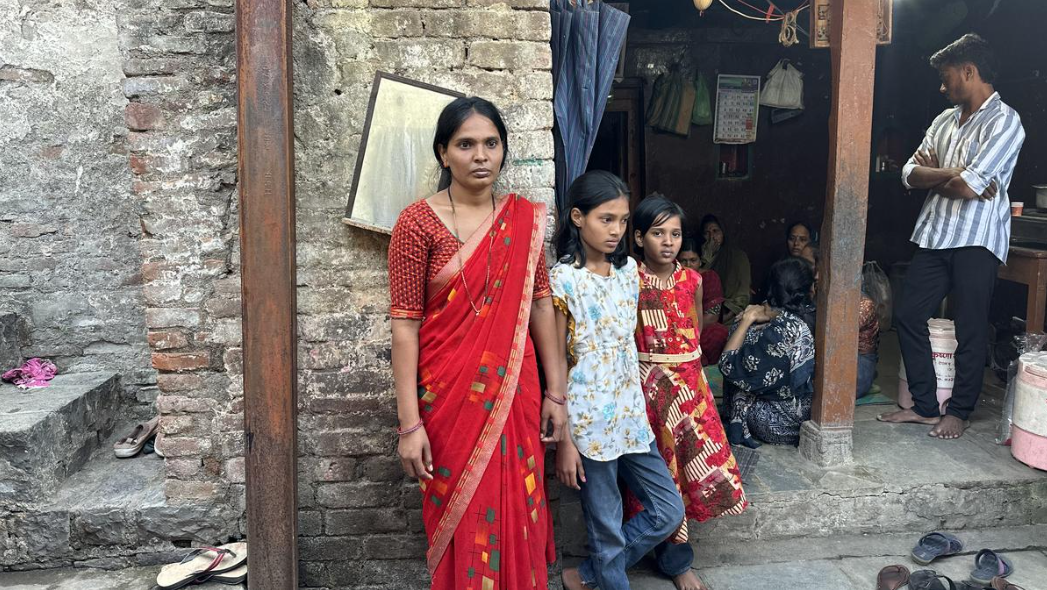
In the drought-hit Marathwada region of Maharashtra, the struggles of farmers have reached a heartbreaking climax. In 2024 alone, more than 800 suicides were reported in this region, a tragedy that has deeply affected families, particularly women and children who are left to cope with the compounded burdens of poverty, social stigma, and emotional trauma.
In the village of Degaon near Nanded, Seema Jadhav, a 32-year-old mother of three, is trying to come to terms with the death of her husband, Dinesh, who took his own life on December 13. Like many other families in the region, the Jadhavs were overwhelmed by mounting debts and the relentless impact of successive droughts. Seema now finds herself not only dealing with the loss of her spouse but also the responsibility of raising her children in the face of extreme poverty.
The conditions in Marathwada, once a thriving agricultural hub, have worsened due to the prolonged dry spells. Farmers, already burdened with loans, find themselves trapped in a cycle of debt that they cannot escape. Crop failures, lack of irrigation facilities, and climate change have all contributed to a situation where many farmers see no way out. The debt they accumulate in their efforts to save their farms and families often becomes the tipping point for those who feel they have no other options.
Archana Chinchore, from Bhadra in Loha Taluka, Nanded district, is another casualty of this crisis. Her demeanor reflects the exhaustion of a life spent fighting to survive. Sitting in her modest kitchen, Archana remains silent, her body language heavy with grief. Her husband’s suicide left her to care for their children and manage the debts he left behind. She struggles to make ends meet, but the shadow of her loss is a constant reminder of the toll that drought and debt take on families in this region.
The crisis is not just about economic hardship; it also has deep social ramifications. Women, who are often left to deal with the aftermath of their husbands' suicides, face social stigma and isolation. Many find themselves without the support they need to rebuild their lives, and their children are left vulnerable, with few opportunities to break the cycle of poverty.
This tragic situation calls for urgent intervention to address the root causes of rural distress, such as debt relief, improved agricultural support, and mental health services for affected families. Without these, the region may continue to witness more lives lost to despair.
Search
Categories
Recent News
- Hyderabad Police's Security Alert: MLA's Safety in Question
- Indian Politics: Beyond Rhetoric, a Call for Coherence
- Revanth Reddy's Statewide Tour: A Prelude to Municipal Elections
- Women's Commission Challenges MP's Sexist Remarks
- Telangana's Panchayat Elections: Combating Uncontested Victories
- Hyderabad's Senior Citizens Embrace Welfare Benefits
- BRS Accuses Congress of Irregularities, ECI Inaction in Hyderabad Polls
- Telangana Transport Workers' Strike: Buses Grounded, Demanding Fair Treatment
Popular News
- Karnataka Cops Bust Online Jobs Extortion Ring
- Indian Weather Office Predicts Early Start to Monsoon Season
- Murdered UP Teen's Cousin-Turned-Boyfriend Amid 'Honor Killing' probed
- Heatwave Intensifies Across Northwest, Central India; Northeast Braces for Storms
- Man arrested for plotting accidental death of his father