Kailash Mansarovar Yatra Resumes A New Chapter in India-China Relations
Current Affairs International IssuesPosted by newadmin on 2025-01-30 08:49:22 |
Share: Facebook | Twitter | Whatsapp | Linkedin Visits: 63
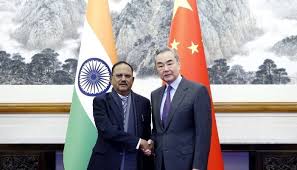
India and China have recently agreed to resume the Kailash Mansarovar Yatra, marking a significant moment in their bilateral relations. This decision follows Foreign Secretary Vikram Misri’s visit to Beijing and months of negotiations aimed at resolving military tensions along the Line of Actual Control. The pilgrimage, which had been suspended due to the COVID-19 pandemic and subsequent geopolitical tensions, is now set to recommence under existing agreements.
The Kailash Mansarovar Yatra holds deep historical and spiritual significance. Revered by Hindus, Jains, and Buddhists, the journey takes pilgrims to Mount Kailash and Mansarovar Lake in Tibet. Mount Kailash, towering at 21,778 feet, is considered the sacred abode of Lord Shiva in Hinduism. In Tibetan beliefs, it is known as Mount Meru, the cosmic axis. For Jains, it is the place where Rishabhanatha attained enlightenment. The mountain is also believed to be the spiritual center of the Earth, with four major rivers originating from its vicinity.
At the base of Mount Kailash lies Mansarovar Lake, one of the holiest lakes in the world. Hindu mythology states that it was created from Lord Brahma’s vision. The lake is closely associated with Goddess Sati and is believed to be one of her Shaktipeeths. Pilgrims perform various rituals at its shores, believing that it bestows prosperity and spiritual merit. Many devotees believe that completing the Kailash Mansarovar Yatra leads to moksha, or liberation. The pilgrimage includes the Kailash Kora, a circumambulation of the mountain that takes several days to complete. Mount Kailash’s unique shape and the mysterious sounds reported in the region have intrigued both spiritual seekers and scientists alike.
The resumption of the yatra signifies an easing of tensions between India and China. Relations between the two countries had been strained due to the Galwan clash and disruptions caused by the pandemic. However, recent diplomatic engagements have led to renewed cooperation, including agreements on direct flights and visa provisions. The decision to allow the pilgrimage to resume reflects a broader effort to rebuild trust and strengthen cultural ties.
Looking ahead, the resumption of the Kailash Mansarovar Yatra is expected to enhance people-to-people interactions between India and China. It symbolizes a step towards stabilizing diplomatic relations and fostering mutual understanding. As pilgrims once again embark on this sacred journey, it represents not just religious devotion but also a shared commitment to dialogue and reconciliation between the two nations.
Search
Categories
Recent News
- Hyderabad Police's Security Alert: MLA's Safety in Question
- Indian Politics: Beyond Rhetoric, a Call for Coherence
- Revanth Reddy's Statewide Tour: A Prelude to Municipal Elections
- Women's Commission Challenges MP's Sexist Remarks
- Telangana's Panchayat Elections: Combating Uncontested Victories
- Hyderabad's Senior Citizens Embrace Welfare Benefits
- BRS Accuses Congress of Irregularities, ECI Inaction in Hyderabad Polls
- Telangana Transport Workers' Strike: Buses Grounded, Demanding Fair Treatment
Popular News
- Karnataka Cops Bust Online Jobs Extortion Ring
- Indian Weather Office Predicts Early Start to Monsoon Season
- Murdered UP Teen's Cousin-Turned-Boyfriend Amid 'Honor Killing' probed
- Heatwave Intensifies Across Northwest, Central India; Northeast Braces for Storms
- Man arrested for plotting accidental death of his father