Toxic Waste from 1984 Bhopal Gas Tragedy Finally Moved for Disposal
Disaster Management Disaster Management in IndiaPosted by admin on 2025-01-30 08:49:26 |
Share: Facebook | Twitter | Whatsapp | Linkedin Visits: 71
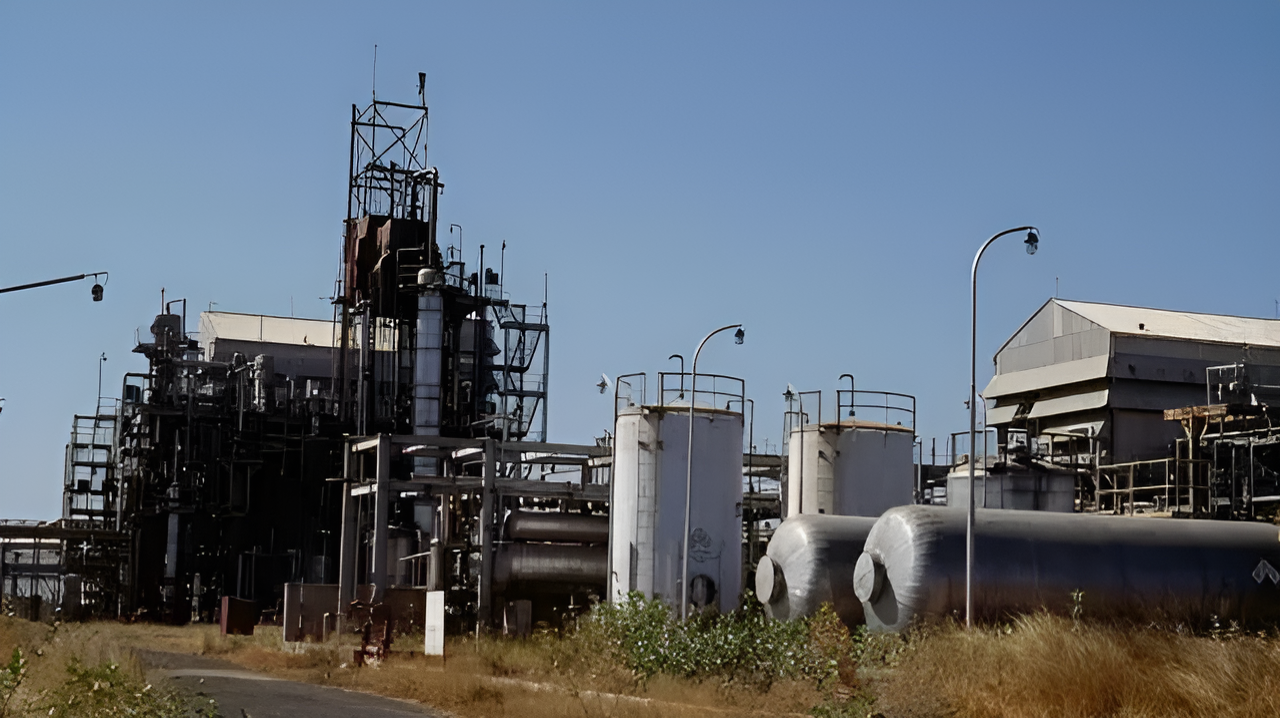
Toxic Waste Relocation After 40 Years
On January 2, 2025, authorities finally took a major step in addressing the long-standing environmental hazards of the 1984 Bhopal Gas Tragedy. Nearly 337 metric tons of toxic waste from the Union Carbide factory site were moved to an authorized disposal facility for incineration. This development comes after decades of legal battles, protests, and demands from environmental activists and local residents.
Environmental and Health Concerns
For almost four decades, the toxic waste remained at the abandoned factory site, raising serious concerns over soil and groundwater contamination in the surrounding areas. Residents of Bhopal have long suffered from respiratory diseases, skin conditions, and other health issues due to prolonged exposure to chemical residues. The disposal of this hazardous material marks a crucial step in mitigating the environmental damage caused by one of the world’s worst industrial disasters.
Government and Court Interventions
The Supreme Court of India had repeatedly urged authorities to take action on the disposal of the waste. After years of delays due to logistical challenges and safety concerns, the Madhya Pradesh government, in coordination with the Central Pollution Control Board (CPCB), finalized a plan for safe incineration. The toxic waste was transported under strict supervision to a high-temperature incineration facility, ensuring that the process adheres to environmental safety standards.
A Step Towards Justice and Rehabilitation
Survivor groups and environmental activists have welcomed this long-awaited move but insist that more needs to be done. Many affected families are still waiting for proper medical care, rehabilitation, and financial compensation. While the disposal of toxic waste is a significant milestone, activists stress that comprehensive cleanup and long-term health monitoring of affected communities remain urgent priorities.
Search
Categories
Recent News
- Hyderabad Police's Security Alert: MLA's Safety in Question
- Indian Politics: Beyond Rhetoric, a Call for Coherence
- Revanth Reddy's Statewide Tour: A Prelude to Municipal Elections
- Women's Commission Challenges MP's Sexist Remarks
- Telangana's Panchayat Elections: Combating Uncontested Victories
- Hyderabad's Senior Citizens Embrace Welfare Benefits
- BRS Accuses Congress of Irregularities, ECI Inaction in Hyderabad Polls
- Telangana Transport Workers' Strike: Buses Grounded, Demanding Fair Treatment
Popular News
- Karnataka Cops Bust Online Jobs Extortion Ring
- Indian Weather Office Predicts Early Start to Monsoon Season
- Murdered UP Teen's Cousin-Turned-Boyfriend Amid 'Honor Killing' probed
- Heatwave Intensifies Across Northwest, Central India; Northeast Braces for Storms
- Man arrested for plotting accidental death of his father