Permanent Settlement of Bengal: Lord Cornwallis’ Land Revenue System and Its Impact
History Indian HistoryPosted by NewAdmin on 2025-01-30 08:50:39 |
Share: Facebook | Twitter | Whatsapp | Linkedin Visits: 65
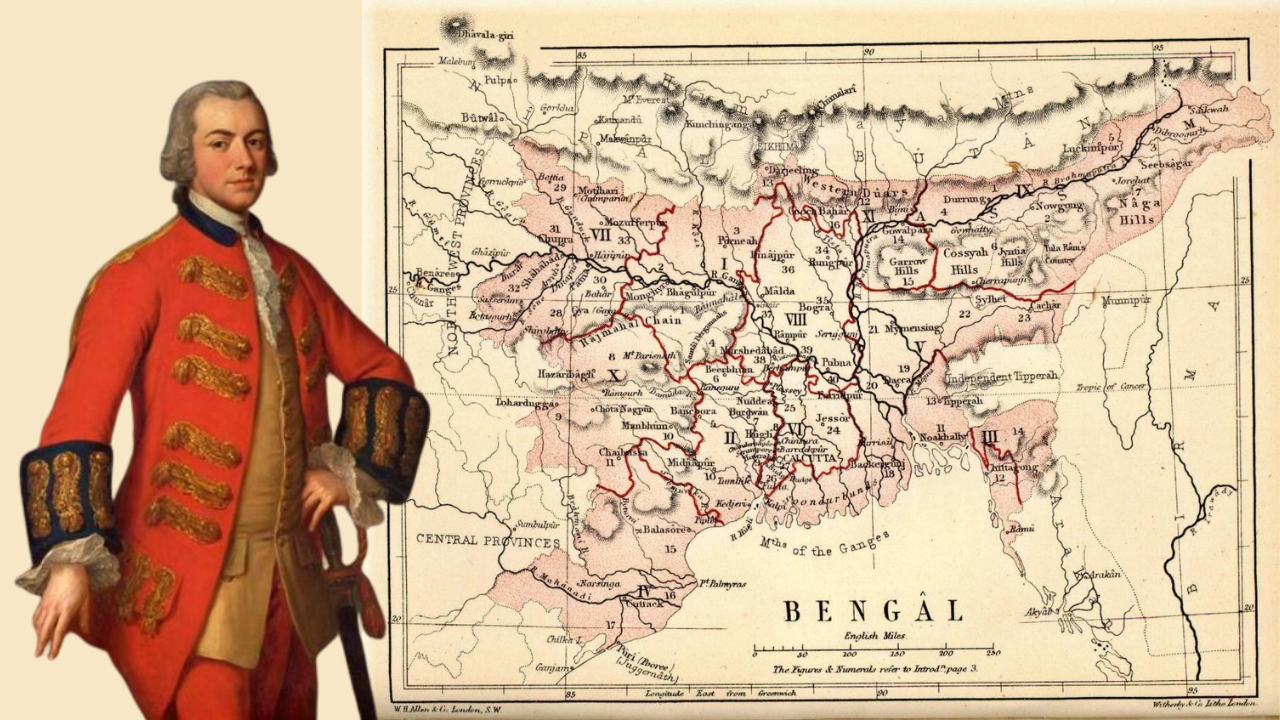
The Permanent Settlement of Bengal, introduced in 1793 by Lord Cornwallis, was a significant land revenue system implemented by the British in India. It was designed to ensure a fixed and stable revenue collection from agricultural lands while establishing a loyal class of landlords. This system primarily covered Bengal, Bihar, and Odisha and later extended to other parts of British India. The policy was part of a broader strategy by the East India Company to secure a steady income and reduce administrative burdens.
Under this system, the British government permanently fixed the land revenue demand, meaning the amount payable by landowners (zamindars) remained unchanged regardless of agricultural productivity. The zamindars were recognized as hereditary landowners, responsible for collecting revenue from peasants (ryots) and remitting it to the British authorities. In return, they were allowed to retain a portion of the revenue as profit. However, failure to pay the fixed amount on time led to the auctioning of their lands to new buyers.
The Permanent Settlement had far-reaching consequences, It created a class of wealthy landlords who remained loyal to British rule, as their economic interests were tied to the continuation of British administration. However, it placed a heavy burden on peasants, who had to pay high rents regardless of their crop yields. Since the zamindars had to pay a fixed sum to the government, they often exploited peasants by increasing rents or evicting those unable to pay. Moreover, as the revenue was fixed permanently, the British lost out on potential increases in income when agricultural production improved over time.
While the system provided stability and predictability in revenue collection, it led to widespread rural distress and stagnation in agricultural development. Many zamindars, rather than investing in land improvement, became absentee landlords, living in cities and neglecting agricultural productivity. Over time, the system was criticized for its inability to adapt to changing economic conditions and its failure to protect peasant rights.
The Permanent Settlement was eventually modified and replaced in different regions as new land revenue systems, such as the Ryotwari and Mahalwari systems, were introduced. However, its legacy endured, as it played a crucial role in shaping India’s agrarian structure and socio-economic conditions during British rule.
Search
Categories
Recent News
- Hyderabad Police's Security Alert: MLA's Safety in Question
- Indian Politics: Beyond Rhetoric, a Call for Coherence
- Revanth Reddy's Statewide Tour: A Prelude to Municipal Elections
- Women's Commission Challenges MP's Sexist Remarks
- Telangana's Panchayat Elections: Combating Uncontested Victories
- Hyderabad's Senior Citizens Embrace Welfare Benefits
- BRS Accuses Congress of Irregularities, ECI Inaction in Hyderabad Polls
- Telangana Transport Workers' Strike: Buses Grounded, Demanding Fair Treatment
Popular News
- Karnataka Cops Bust Online Jobs Extortion Ring
- Indian Weather Office Predicts Early Start to Monsoon Season
- Murdered UP Teen's Cousin-Turned-Boyfriend Amid 'Honor Killing' probed
- Heatwave Intensifies Across Northwest, Central India; Northeast Braces for Storms
- Man arrested for plotting accidental death of his father