Ramakrishna Mission: Swami Vivekananda's Vision of Spirituality and Social Reform
History Indian HistoryPosted by NewAdmin on 2025-01-31 09:14:58 |
Share: Facebook | Twitter | Whatsapp | Linkedin Visits: 63
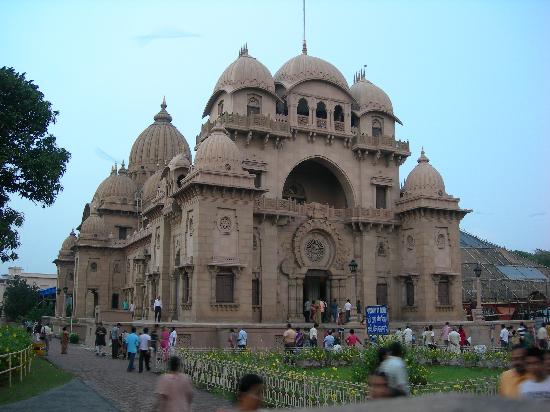
The Ramakrishna Mission was founded in 1897 by Swami Vivekananda, one of the most prominent spiritual leaders and reformers of colonial India. The mission was established to carry forward the teachings and ideals of Sri Ramakrishna Paramahamsa, Vivekananda's spiritual guru. Ramakrishna's emphasis on unity among all religions and the importance of selfless service to humanity deeply influenced Vivekananda’s vision for the mission. The foundation of the Ramakrishna Mission was not only a religious initiative but also aimed at addressing the social and educational issues of the time.
Swami Vivekananda established the Ramakrishna Mission to promote a comprehensive approach to spirituality—one that linked religious practice with social service. The mission focused on the idea that spirituality must be coupled with practical action to serve humanity. In this spirit, the mission worked on various initiatives like setting up schools, hospitals, and social welfare programs, as well as engaging in relief work, especially during natural calamities. The central aim was to create a better, more humane society by uplifting the marginalized and promoting social harmony.
Vivekananda's social philosophy was based on the belief that the divine is present in every human being, and thus, service to humanity is equivalent to serving God. The Ramakrishna Mission also emphasized the importance of self-realization and education, particularly for the upliftment of women and the underprivileged sections of society. The mission's programs were designed to address the holistic development of an individual, integrating both spiritual and material well-being.
The mission grew rapidly over the years, and its branches were established in various parts of India and abroad. It became a platform for spiritual practice, social reform, and education. It contributed significantly to the revival of Indian culture and the promotion of Vedantic philosophy on the global stage, especially through Swami Vivekananda’s famous speech at the World Parliament of Religions in Chicago in 1893. His call for religious tolerance and his message of universal brotherhood gained widespread recognition.
The Ramakrishna Mission remains one of the most prominent spiritual and social organizations in India, continuing its work of promoting education, healthcare, and social welfare while adhering to its founder's vision of a spiritually awakened, socially responsible India.
Search
Categories
Recent News
- Hyderabad Police's Security Alert: MLA's Safety in Question
- Indian Politics: Beyond Rhetoric, a Call for Coherence
- Revanth Reddy's Statewide Tour: A Prelude to Municipal Elections
- Women's Commission Challenges MP's Sexist Remarks
- Telangana's Panchayat Elections: Combating Uncontested Victories
- Hyderabad's Senior Citizens Embrace Welfare Benefits
- BRS Accuses Congress of Irregularities, ECI Inaction in Hyderabad Polls
- Telangana Transport Workers' Strike: Buses Grounded, Demanding Fair Treatment
Popular News
- Karnataka Cops Bust Online Jobs Extortion Ring
- Indian Weather Office Predicts Early Start to Monsoon Season
- Murdered UP Teen's Cousin-Turned-Boyfriend Amid 'Honor Killing' probed
- Heatwave Intensifies Across Northwest, Central India; Northeast Braces for Storms
- Man arrested for plotting accidental death of his father