Shampoo Empire: The Bengali Immigrant Who Revolutionized Britain’s Haircare
History Indian HistoryPosted by NewAdmin on 2025-02-03 08:53:26 |
Share: Facebook | Twitter | Whatsapp | Linkedin Visits: 64
The Origins of Shampooing
Shampooing, as we know it today, is a staple of daily hygiene, but its roots lie in 19th-century British India. The term "shampoo" is derived from the Hindi word champoo (or champi), which means to knead or massage. While people have always washed their hair and bodies, the practice of massaging the scalp and body during washing was an innovation brought to Europe from India, primarily through Britain.
Sake Dean Mahomed: The Man Behind the Movement
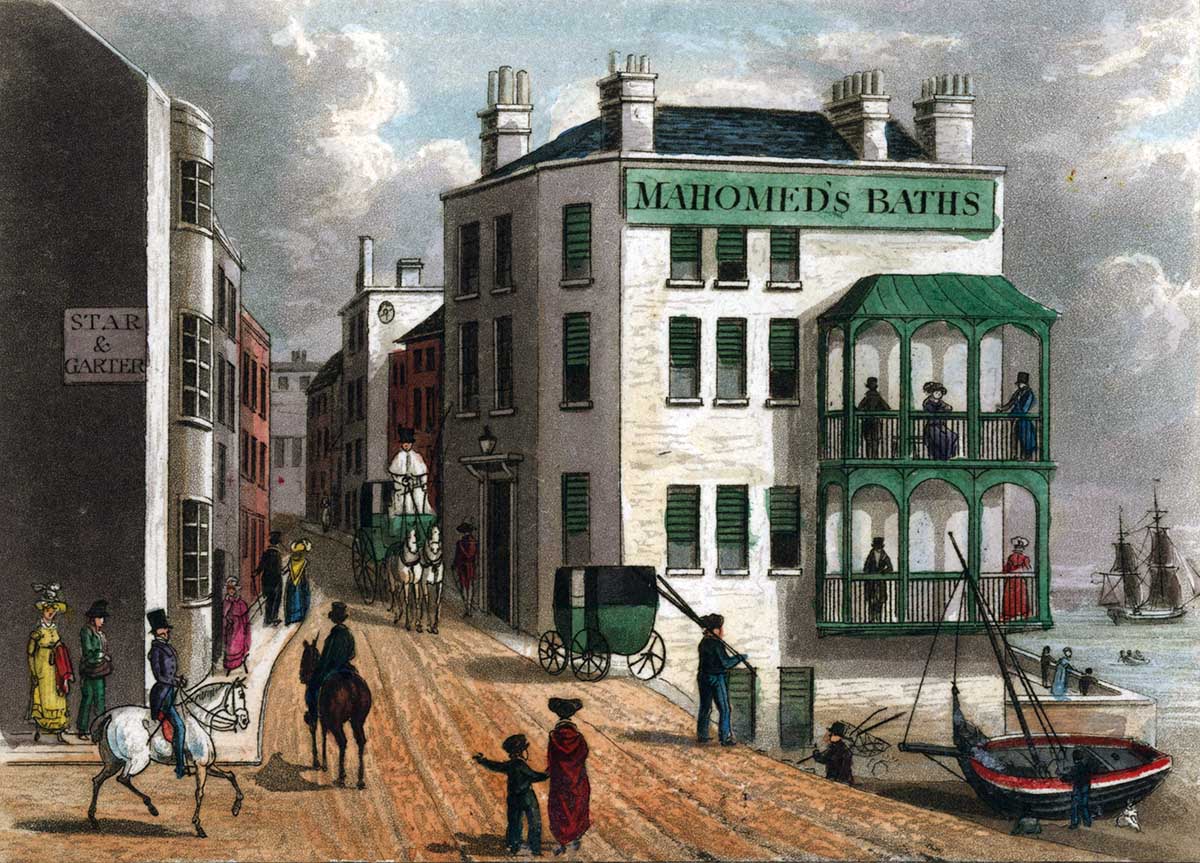
The person credited with introducing the practice of shampooing to Britain was Sake Dean Mahomed, a Bengali immigrant who not only understood the craft of therapeutic massage but also knew how to market it. Mahomed opened the first shampooing business in Britain in 1814, offering luxurious treatments that combined scalp massages with body care. His efforts helped popularize shampooing as a form of wellness in the West.
The Evolution of the Term
In its early usage, "shampoo" referred to the entire ritual of therapeutic massage before bathing, not just the act of washing hair. It wasn't until the late 1800s that the term narrowed down to specifically describe hair washing. Mahomed’s influence, combined with the growing British fascination with Eastern wellness practices, transformed shampooing into an essential part of personal hygiene.
The Birth of a Beauty Industry
Mahomed’s introduction of shampooing laid the foundation for what would later become a global beauty industry. His success in marketing the benefits of scalp massage and body cleansing helped cement shampooing as an enduring tradition in the West, demonstrating how one immigrant's knowledge and entrepreneurial spirit could leave a lasting cultural legacy.
Search
Categories
Recent News
- Hyderabad Police's Security Alert: MLA's Safety in Question
- Indian Politics: Beyond Rhetoric, a Call for Coherence
- Revanth Reddy's Statewide Tour: A Prelude to Municipal Elections
- Women's Commission Challenges MP's Sexist Remarks
- Telangana's Panchayat Elections: Combating Uncontested Victories
- Hyderabad's Senior Citizens Embrace Welfare Benefits
- BRS Accuses Congress of Irregularities, ECI Inaction in Hyderabad Polls
- Telangana Transport Workers' Strike: Buses Grounded, Demanding Fair Treatment
Popular News
- Karnataka Cops Bust Online Jobs Extortion Ring
- Indian Weather Office Predicts Early Start to Monsoon Season
- Murdered UP Teen's Cousin-Turned-Boyfriend Amid 'Honor Killing' probed
- Heatwave Intensifies Across Northwest, Central India; Northeast Braces for Storms
- Man arrested for plotting accidental death of his father