India's Budget Focuses on Short-Term Economic Relief
Politics Politics of IndiaPosted by NewAdmin on 2025-02-03 08:56:59 |
Share: Facebook | Twitter | Whatsapp | Linkedin Visits: 60
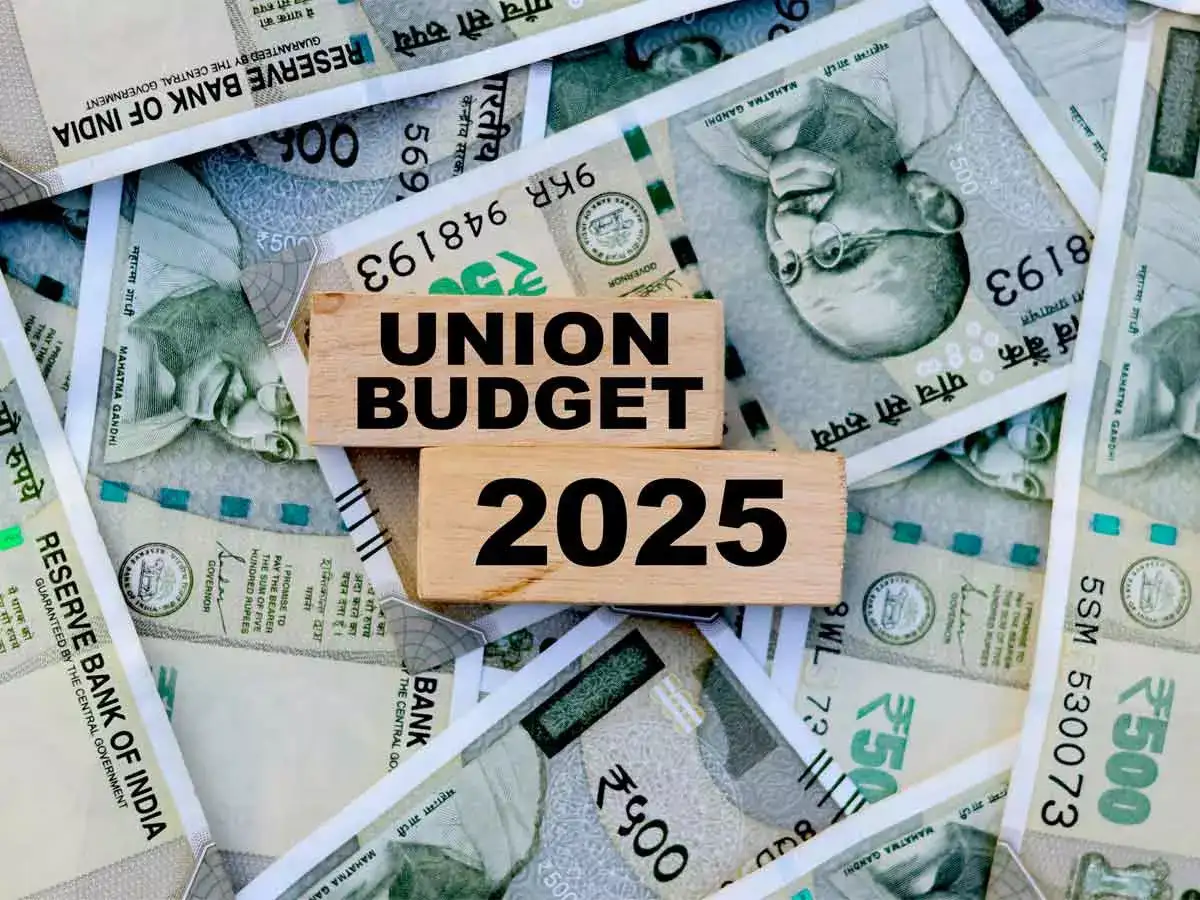
India's recent budget, presented by Finance Minister Nirmala Sitharaman, has sparked mixed reactions from both analysts and the general public. While the budget prioritizes short-term economic relief measures, such as tax cuts for the middle class and subsidies to boost consumption, it has faced criticism for failing to address the pressing need for structural reforms that are essential for long-term growth. As India grapples with the aftermath of the COVID-19 pandemic and the global economic slowdown, experts argue that the country requires bold and strategic economic policies to navigate these challenging times.
The government's decision to implement tax cuts for the middle class aims to increase disposable income and stimulate consumer demand in the short run. This move is seen as an effort to boost spending and accelerate economic recovery. Additionally, subsidies and financial assistance have been extended to various sectors, including agriculture, manufacturing, and infrastructure, which are critical for reviving India's economic engine. However, critics point out that these measures, while helpful in the immediate term, are not enough to address the structural weaknesses that have plagued the Indian economy for decades.
One of the key areas that analysts believe was neglected in the budget is the agricultural sector. India, with its vast rural population, continues to rely heavily on agriculture as a source of livelihood. Despite the government's promises to double farmers' income, the budget did not propose any significant reforms to improve the efficiency of the agricultural supply chain, reduce farm distress, or enhance productivity. There is also a growing need to focus on labor laws, which remain outdated and cumbersome, preventing businesses from hiring and firing workers flexibly. Many labor-intensive industries, including textiles and manufacturing, have struggled with rigid labor regulations, which could be reformed to make the labor market more competitive and inclusive.
Another area of concern is the absence of comprehensive reforms in business regulations. India has long been criticized for its complex and bureaucratic regulatory environment, which has hindered entrepreneurship and foreign investment. While the government has introduced measures to streamline the business environment in recent years, analysts argue that more needs to be done to simplify the tax system, reduce red tape, and improve the ease of doing business. Without these reforms, India may struggle to attract the level of foreign direct investment (FDI) required to accelerate industrialization and create jobs for its growing population.
The reduction in capital spending and the decision to limit infrastructure investment in the current budget is another point of contention. While the government has promised to maintain fiscal discipline, this comes at the cost of infrastructure development, which is a key driver of long-term economic growth. India needs massive investments in infrastructure, including roads, railways, airports, and ports, to boost productivity and improve the business climate. A lack of infrastructure investment could also stifle the government's efforts to attract foreign companies looking to establish operations in India. Analysts warn that limiting capital spending in a period of economic uncertainty could impede the country's ability to recover and grow at the pace required to meet its long-term goals.
The projected slowdown in GDP growth from 8.2% in the previous fiscal year to 6.4% in the coming year has raised alarm bells for many economists. While the budget focuses on reviving domestic consumption and boosting economic activity in the short term, the lack of structural reforms leaves the economy vulnerable to external shocks, such as rising global oil prices or a potential global recession. The government has set a target of achieving 8% GDP growth in the medium term, but analysts believe that this will be difficult to achieve without addressing the fundamental issues that hamper the country's economic potential.
In conclusion, while India's recent budget contains measures to provide short-term relief to the economy, it lacks a clear and comprehensive plan for long-term growth. Analysts argue that the government must prioritize structural reforms in agriculture, labor laws, business regulations, and infrastructure to create a sustainable economic framework. Without these critical reforms, India may find it challenging to achieve its ambitious growth targets and secure its position as one of the world's largest and fastest-growing economies.
Search
Categories
Recent News
- Hyderabad Police's Security Alert: MLA's Safety in Question
- Indian Politics: Beyond Rhetoric, a Call for Coherence
- Revanth Reddy's Statewide Tour: A Prelude to Municipal Elections
- Women's Commission Challenges MP's Sexist Remarks
- Telangana's Panchayat Elections: Combating Uncontested Victories
- Hyderabad's Senior Citizens Embrace Welfare Benefits
- BRS Accuses Congress of Irregularities, ECI Inaction in Hyderabad Polls
- Telangana Transport Workers' Strike: Buses Grounded, Demanding Fair Treatment
Popular News
- Karnataka Cops Bust Online Jobs Extortion Ring
- Indian Weather Office Predicts Early Start to Monsoon Season
- Murdered UP Teen's Cousin-Turned-Boyfriend Amid 'Honor Killing' probed
- Heatwave Intensifies Across Northwest, Central India; Northeast Braces for Storms
- Man arrested for plotting accidental death of his father