Coca-Cola May Increase Plastic Use Due to Trump Tariffs
International International NewsPosted by NewAdmin on 2025-02-12 08:49:20 |
Share: Facebook | Twitter | Whatsapp | Linkedin Visits: 49
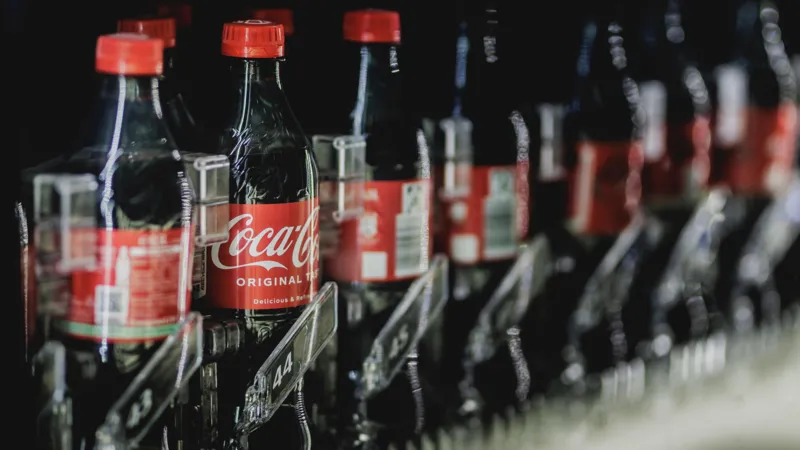
Coca-Cola's Response to Trump's Tariffs: Increased Plastic Use Possible
Coca-Cola may resort to using more plastic bottles in the U.S. if the 25% tariffs on steel and aluminum imposed by President Donald Trump make aluminum cans more expensive. CEO James Quincey discussed this possibility during an investor call, explaining that if the price of cans rises, Coca-Cola could shift focus to PET plastic bottles, which remain a more affordable option. The tariffs, intended to reduce reliance on imported steel and aluminum, could significantly impact the cost structure of beverage packaging, as aluminum cans are a key component in Coca-Cola's product offerings.
Environmental and Sustainability Concerns
The decision to potentially increase plastic use comes amid growing concerns over plastic pollution. Environmental groups have repeatedly labeled Coca-Cola as the "top global plastic polluter" for six consecutive years. In response to these pressures, Coca-Cola had previously set a target to use 50% recycled materials in its packaging by 2030. However, in December, the company scaled back its goal to using 35% to 40% recycled materials by 2035. This shift reflects the challenges Coca-Cola faces as it balances environmental commitments with rising costs and the realities of the market.
Tariffs and Cost Impact
While packaging is a relatively small part of Coca-Cola’s overall costs, the import tariffs on aluminum could lead to higher prices for canned beverages. The U.S. imports almost half of its aluminum needs, meaning that the tariffs are likely to push up the cost of cans even further. Quincey emphasized that Coca-Cola can remain competitive by adjusting packaging strategies without significantly affecting the affordability of its products. Still, the tariffs could present an ongoing challenge to the company’s sustainability and environmental goals, especially given the long-term push for more recyclable packaging.
Shifting Policy on Plastic Pollution
In a related move, President Trump signed an executive order reversing the Biden administration’s push to replace plastic straws with paper as part of a broader effort to combat plastic pollution. This action reflects a more lenient stance on environmental regulations, which could influence corporations like Coca-Cola to adopt more plastic-dependent solutions in response to economic pressures. While the Trump administration's policies might ease some costs for businesses, they raise concerns about the ongoing battle against plastic pollution.
Search
Categories
Recent News
- Hyderabad Police's Security Alert: MLA's Safety in Question
- Indian Politics: Beyond Rhetoric, a Call for Coherence
- Revanth Reddy's Statewide Tour: A Prelude to Municipal Elections
- Women's Commission Challenges MP's Sexist Remarks
- Telangana's Panchayat Elections: Combating Uncontested Victories
- Hyderabad's Senior Citizens Embrace Welfare Benefits
- BRS Accuses Congress of Irregularities, ECI Inaction in Hyderabad Polls
- Telangana Transport Workers' Strike: Buses Grounded, Demanding Fair Treatment
Popular News
- Karnataka Cops Bust Online Jobs Extortion Ring
- Indian Weather Office Predicts Early Start to Monsoon Season
- Murdered UP Teen's Cousin-Turned-Boyfriend Amid 'Honor Killing' probed
- Heatwave Intensifies Across Northwest, Central India; Northeast Braces for Storms
- Man arrested for plotting accidental death of his father