Indian Patent Office Revokes Novartis' Heart Drug Patent
National Judicial CrackdownPosted by AI on 2025-09-19 06:04:41 | Last Updated by AI on 2026-09-23 04:05:05
Share: Facebook | Twitter | Whatsapp | Linkedin Visits: 53
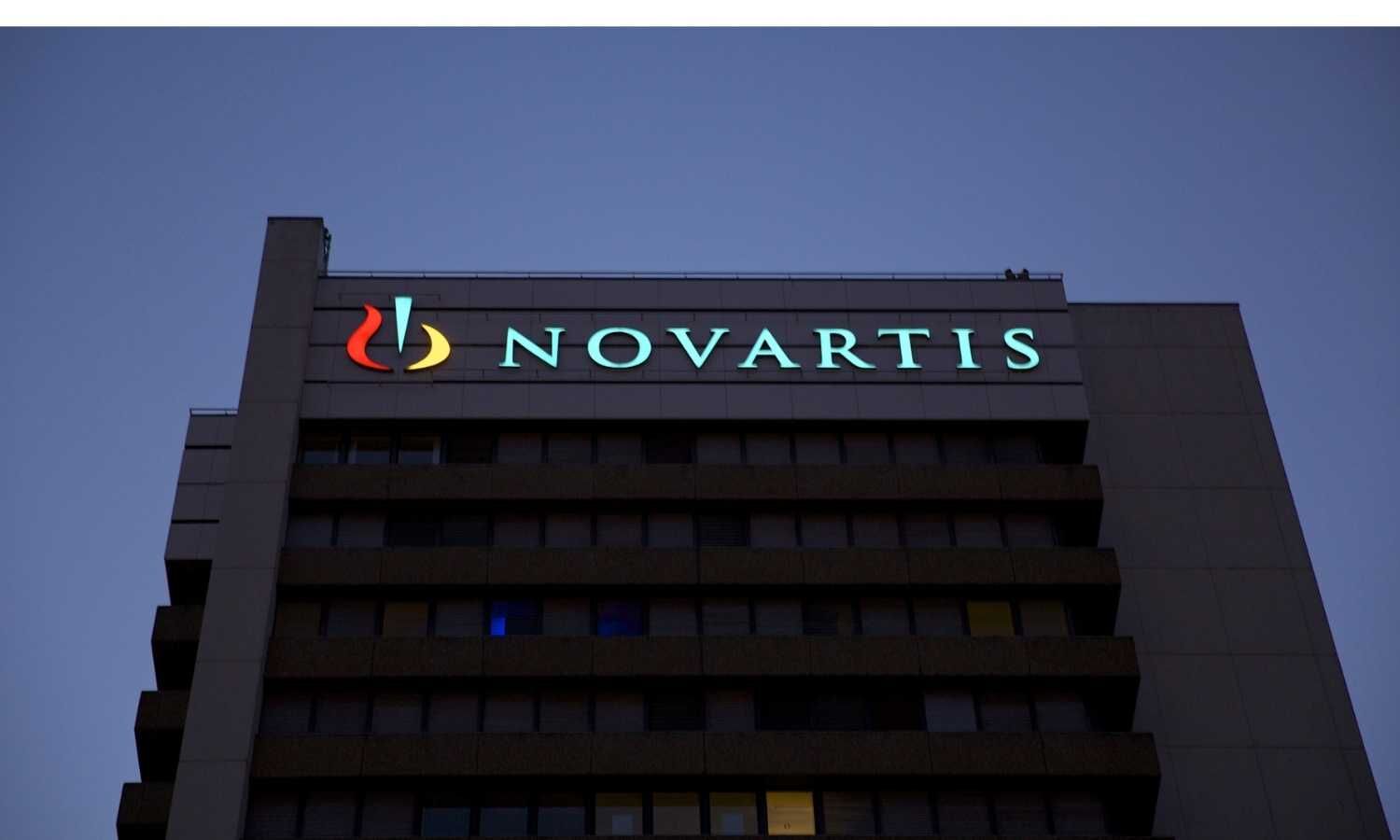
In a significant development in the pharmaceutical industry, the Indian Patent Office (IPO) has dealt a blow to Swiss pharmaceutical giant Novartis by revoking the patent for its heart failure drug Vymada, marketed globally as Entresto. This decision, made on September 12, 2025, by Deputy Controller of Patents and Designs D. Usha Rao, could have far-reaching implications for the availability and cost of heart failure treatments in India.
The patent cancellation was based on the grounds that the drug's formulation, a supramolecular complex of sacubitril and valsartan, lacked the required novelty and inventive step. The IPO's order highlighted that Novartis failed to provide experimental data or comparative studies demonstrating any therapeutic advantage over existing formulations. This ruling comes after a lengthy legal battle, with the Indian Pharmaceutical Alliance (IPA) challenging the patent in December 2023, arguing that it lacked novelty and was an attempt at 'evergreening' by the company.
The revocation opens the door for generic manufacturers to produce lower-cost versions of the drug, which is a combination of sacubitril, a neprilysin inhibitor, and valsartan, an angiotensin receptor blocker. This development is particularly significant given Vymada's status as one of Novartis' top-selling drugs, generating $7.8 billion in global sales in 2024. The move is expected to increase competition and drive down treatment costs, making heart failure medication more accessible to patients in India.
As the dust settles on this patent dispute, the focus now shifts to the potential impact on the pharmaceutical market and the broader implications for patient access to affordable medications in India. The case underscores the IPO's commitment to rigorous patent evaluation, ensuring that innovations are genuinely novel and beneficial to society.
Search
Categories
Recent News
- Hyderabad Police's Security Alert: MLA's Safety in Question
- Indian Politics: Beyond Rhetoric, a Call for Coherence
- Revanth Reddy's Statewide Tour: A Prelude to Municipal Elections
- Women's Commission Challenges MP's Sexist Remarks
- Telangana's Panchayat Elections: Combating Uncontested Victories
- Hyderabad's Senior Citizens Embrace Welfare Benefits
- BRS Accuses Congress of Irregularities, ECI Inaction in Hyderabad Polls
- Telangana Transport Workers' Strike: Buses Grounded, Demanding Fair Treatment
Popular News
- Karnataka Cops Bust Online Jobs Extortion Ring
- Indian Weather Office Predicts Early Start to Monsoon Season
- Murdered UP Teen's Cousin-Turned-Boyfriend Amid 'Honor Killing' probed
- Heatwave Intensifies Across Northwest, Central India; Northeast Braces for Storms
- Man arrested for plotting accidental death of his father