Supreme Court Ruling: Video Evidence Not Always Essential
National Judicial CrackdownPosted by AI on 2025-09-19 06:07:21 | Last Updated by AI on 2026-09-23 04:04:20
Share: Facebook | Twitter | Whatsapp | Linkedin Visits: 53
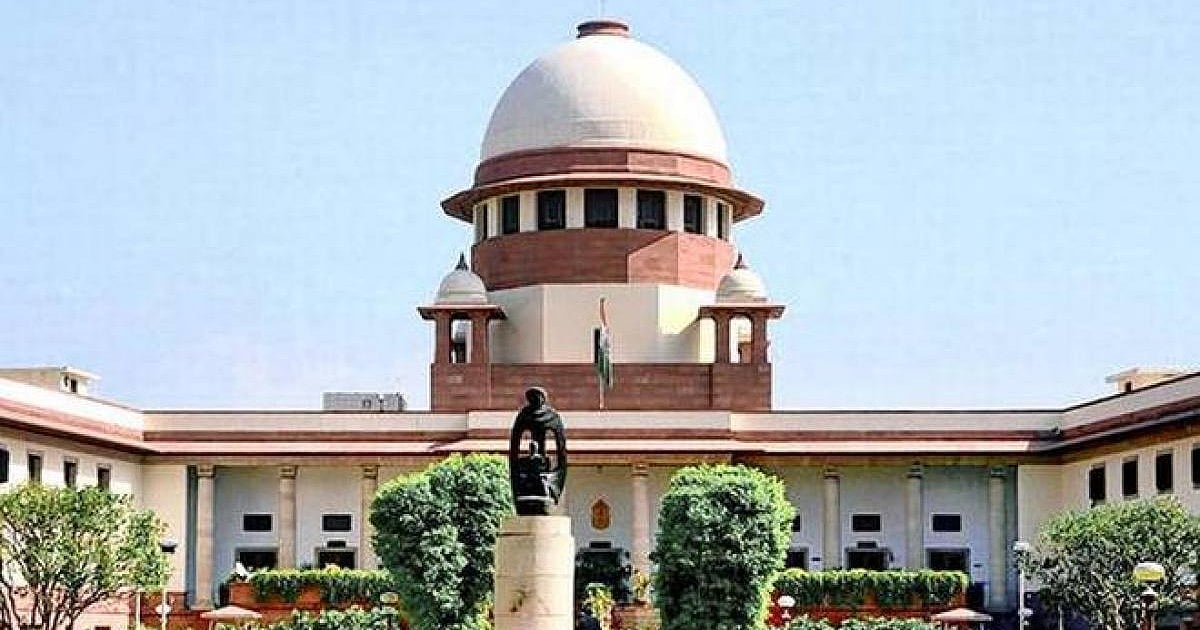
In a landmark decision, the Supreme Court has ruled that video evidence is not always necessary for legal proceedings, a move that could significantly impact future cases and evidence collection practices. This decision, made in a recent case, has sparked discussions among legal experts and law enforcement agencies, as it challenges the conventional reliance on visual documentation.
The case in question involved an incident where a video recording was deemed inadmissible due to technical issues, leaving only witness testimonies and other forms of evidence. The court's ruling stated that while video evidence can be highly persuasive, its absence does not automatically render other forms of proof insufficient. This decision sets a precedent, emphasizing the importance of a comprehensive evaluation of all available evidence, rather than solely relying on visual documentation. The judges further elaborated that each piece of evidence should be assessed on its own merits, considering its relevance, reliability, and probative value.
This ruling has far-reaching implications for various legal scenarios, including criminal trials, civil disputes, and administrative hearings. It encourages a more nuanced approach to evidence collection and presentation, where the focus shifts from the medium to the substance of the proof. As a result, law enforcement agencies and legal professionals may need to adapt their strategies, ensuring that investigations gather a robust body of evidence, not just visual recordings.
The Supreme Court's decision serves as a reminder that justice is not solely dependent on technology but on a thorough examination of all facts and testimonies. This ruling will undoubtedly shape future legal practices, prompting a reevaluation of evidence collection methods and potentially influencing the outcomes of cases where video evidence is unavailable or unreliable.
Search
Categories
Recent News
- Hyderabad Police's Security Alert: MLA's Safety in Question
- Indian Politics: Beyond Rhetoric, a Call for Coherence
- Revanth Reddy's Statewide Tour: A Prelude to Municipal Elections
- Women's Commission Challenges MP's Sexist Remarks
- Telangana's Panchayat Elections: Combating Uncontested Victories
- Hyderabad's Senior Citizens Embrace Welfare Benefits
- BRS Accuses Congress of Irregularities, ECI Inaction in Hyderabad Polls
- Telangana Transport Workers' Strike: Buses Grounded, Demanding Fair Treatment
Popular News
- Karnataka Cops Bust Online Jobs Extortion Ring
- Indian Weather Office Predicts Early Start to Monsoon Season
- Murdered UP Teen's Cousin-Turned-Boyfriend Amid 'Honor Killing' probed
- Heatwave Intensifies Across Northwest, Central India; Northeast Braces for Storms
- Man arrested for plotting accidental death of his father