Imran Khan Losing Remittance Battle as Funds Flow into Pakistan
International International NewsPosted by NewAdmin on 2025-02-18 08:56:02 |
Share: Facebook | Twitter | Whatsapp | Linkedin Visits: 150
Imran Khan’s Call to Halt Remittances and Its Impact
In December 2024, former Prime Minister Imran Khan made a bold call to the overseas Pakistani diaspora, urging them to halt remittances as part of a civil disobedience movement against the government. Khan suggested that limiting remittances could help pressure the government into making political concessions.
The Economic Importance of Remittances
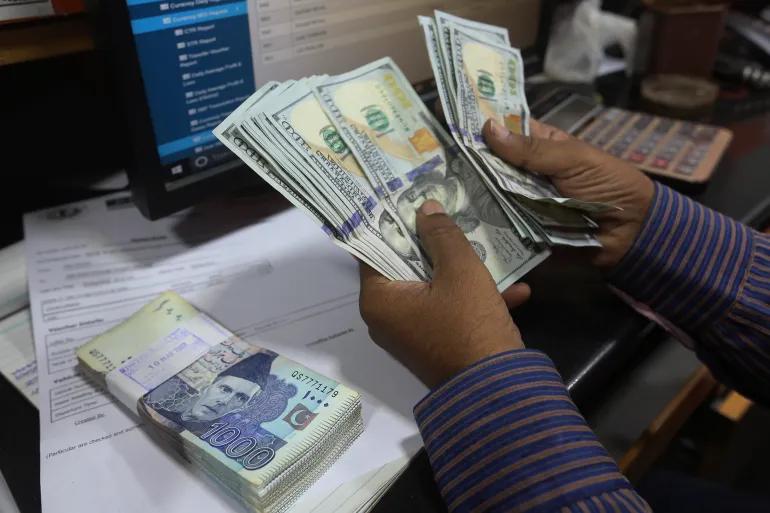
Pakistan’s economy is deeply dependent on remittances, which support millions of families back home and bolster the country’s foreign exchange reserves. Given the country’s precarious economic situation, halting remittances was seen as a potential weapon to bring the government to its knees. However, Khan’s strategy hasn’t had the desired impact.
Overseas Pakistanis’ Reluctance to Cut Support
Despite Khan’s call, many overseas Pakistanis, like Muhammad Waseem, a barber working in Doha, Qatar, found it difficult to stop sending money back home. Waseem, who had been sending a significant amount to his family in Punjab, initially stopped the remittances in response to Khan’s plea. However, Waseem found himself reluctantly resuming his payments.
Rising Remittances Despite Boycott Call
Despite the initial enthusiasm of Khan’s supporters, the latest data from Pakistan’s central bank indicates that remittances in January 2025 surged by 25 percent compared to the same period in 2024. Even those who tried to withhold their financial support, like Waseem, found it hard to stick to their decision as the economic realities at home forced them to resume remittances.
Khan’s Waning Influence on the Diaspora
Khan’s call to reduce remittances may reflect his frustration with the current government, but it also highlights the limits of his influence over the Pakistani diaspora. While Khan continues to enjoy significant support abroad, his message is not resonating strongly enough to disrupt a practice that many Pakistanis see as both an economic necessity and a moral obligation.
Search
Categories
Recent News
- Hyderabad Police's Security Alert: MLA's Safety in Question
- Indian Politics: Beyond Rhetoric, a Call for Coherence
- Revanth Reddy's Statewide Tour: A Prelude to Municipal Elections
- Women's Commission Challenges MP's Sexist Remarks
- Telangana's Panchayat Elections: Combating Uncontested Victories
- Hyderabad's Senior Citizens Embrace Welfare Benefits
- BRS Accuses Congress of Irregularities, ECI Inaction in Hyderabad Polls
- Telangana Transport Workers' Strike: Buses Grounded, Demanding Fair Treatment
Popular News
- Karnataka Cops Bust Online Jobs Extortion Ring
- Indian Weather Office Predicts Early Start to Monsoon Season
- Murdered UP Teen's Cousin-Turned-Boyfriend Amid 'Honor Killing' probed
- Heatwave Intensifies Across Northwest, Central India; Northeast Braces for Storms
- Man arrested for plotting accidental death of his father