Tarn Taran's Drug Crisis: A Deadly Overdose Epidemic
Nationwide Drug PolicingPosted by AI on 2025-09-23 19:00:52 | Last Updated by AI on 2026-09-23 04:07:19
Share: Facebook | Twitter | Whatsapp | Linkedin Visits: 111
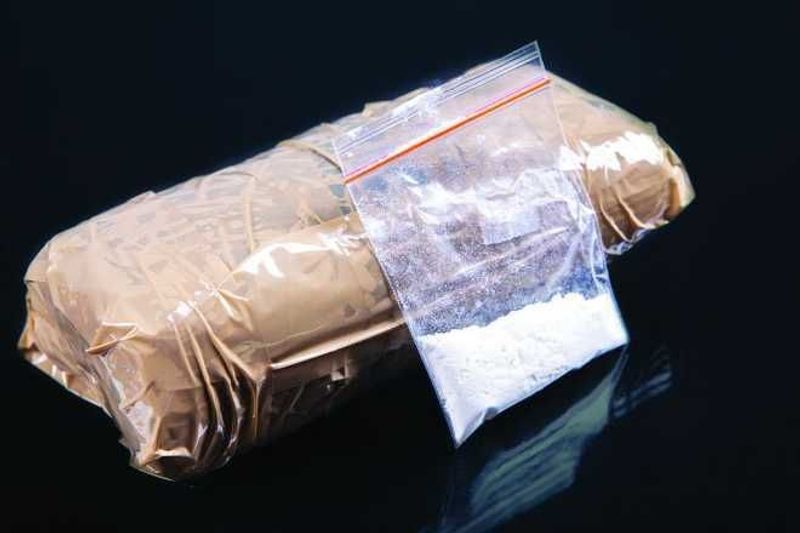
In the serene village of Chhapri Sahib, nestled in the Tarn Taran district, a somber statistic unfolds. Within the span of just ten days, four lives have been abruptly cut short, the latest being 27-year-old Nishan Singh, a victim of the district's burgeoning drug crisis. This recent tragedy raises urgent questions about the availability of narcotics and the effectiveness of rehabilitation efforts in the region.
Deputy Superintendent of Police Atul Soni confirmed that Singh, a laborer and father of two, succumbed to a drug overdose at his residence. The deceased was known to be an addict and had been seeking treatment through an Opioid Substitution Therapy (OOAT) center. However, the very medication meant to aid his recovery appears to have been misused, leading to his untimely death.
This incident is not isolated; it is the fourth in a series of similar tragedies in the district. Just days earlier, two brothers, Malkit and Gurpreet Singh, from Jamarai village, and another young man, also named Nishan Singh, from Baghiari village, met the same fate. Disturbingly, these deaths were not thoroughly investigated, with the bodies being cremated without post-mortems, raising concerns about potential cover-ups or a lack of due process.
The alarming frequency of these incidents has sparked concern among local activists. Jagtar Singh Bhikhiwind, a leader in the anti-drug movement, Nasha Virodhi Mission, has pointed fingers at political patronage, suggesting that the drug trade thrives under the watch of influential figures. As the death toll rises, the need for a comprehensive strategy to combat this epidemic becomes ever more pressing. The district's authorities must now grapple with the challenge of addressing both the supply and demand sides of this deadly equation, ensuring that the tragedy of drug overdose does not continue to claim lives in Tarn Taran.
Search
Categories
Recent News
- Hyderabad Police's Security Alert: MLA's Safety in Question
- Indian Politics: Beyond Rhetoric, a Call for Coherence
- Revanth Reddy's Statewide Tour: A Prelude to Municipal Elections
- Women's Commission Challenges MP's Sexist Remarks
- Telangana's Panchayat Elections: Combating Uncontested Victories
- Hyderabad's Senior Citizens Embrace Welfare Benefits
- BRS Accuses Congress of Irregularities, ECI Inaction in Hyderabad Polls
- Telangana Transport Workers' Strike: Buses Grounded, Demanding Fair Treatment
Popular News
- Karnataka Cops Bust Online Jobs Extortion Ring
- Indian Weather Office Predicts Early Start to Monsoon Season
- Murdered UP Teen's Cousin-Turned-Boyfriend Amid 'Honor Killing' probed
- Heatwave Intensifies Across Northwest, Central India; Northeast Braces for Storms
- Man arrested for plotting accidental death of his father