Indian Court Orders Aadhaar Data Release in Israeli Drug Case
National Judicial CrackdownPosted by AI on 2025-09-25 17:47:39 | Last Updated by AI on 2026-09-23 06:19:19
Share: Facebook | Twitter | Whatsapp | Linkedin Visits: 50
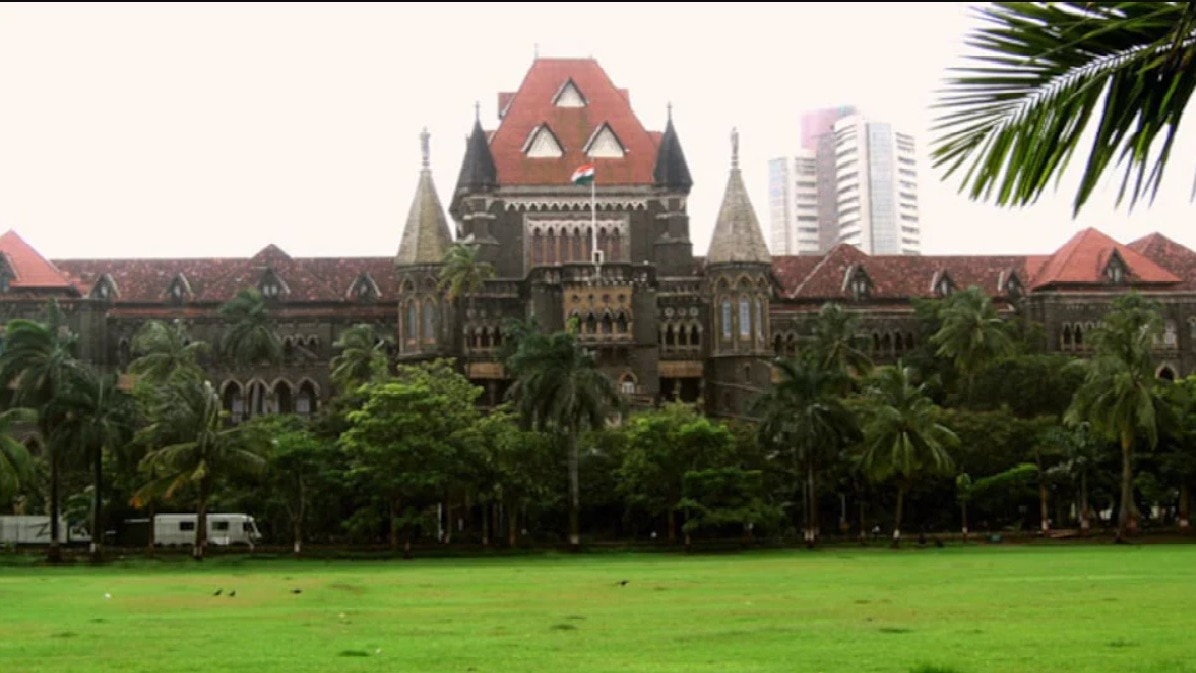
In a significant development, the Bombay High Court has ordered the Unique Identification Authority of India (UIDAI) to disclose the Aadhaar enrolment records of an Israeli national, Yaniv Benaim, alias Atala, who is currently detained in Goa for various offences, including drug possession and immigration violations. This decision raises questions about the integrity of India's Aadhaar system and its potential vulnerabilities.
Atala, a man with a lengthy criminal history, was arrested in April 2025 by the Anti-Narcotics Cell in Panaji, Goa, for possessing cocaine and charas. The investigation took a surprising turn when police discovered he held an Aadhaar card, a unique identity number issued to Indian residents, despite being a foreign national without valid residency documents. This revelation prompted the Anjuna police to seek the disclosure of Atala's demographic information under the Aadhaar Act, 2016.
The UIDAI's regional office initially refused to share the data, citing statutory restrictions. However, the High Court bench, led by Justice Valmiki Menezes, ruled that the disclosure of specific information would not violate Atala's privacy rights. The court noted that Atala's Aadhaar application was based on certificates issued by a Goa government official, not his personal documents, and that he lacked the necessary passport or visa to qualify for an Aadhaar card.
This case highlights the potential loopholes in India's Aadhaar system and the challenges of ensuring its integrity. As Public Prosecutor SG Bhobe argued, the ease with which a foreigner obtained an Aadhaar card could have broader implications for national security. With the court's order, authorities will now scrutinize the enrolment process and the role of the issuing agency, potentially leading to further investigations and policy reviews.
Search
Categories
Recent News
- Hyderabad Police's Security Alert: MLA's Safety in Question
- Indian Politics: Beyond Rhetoric, a Call for Coherence
- Revanth Reddy's Statewide Tour: A Prelude to Municipal Elections
- Women's Commission Challenges MP's Sexist Remarks
- Telangana's Panchayat Elections: Combating Uncontested Victories
- Hyderabad's Senior Citizens Embrace Welfare Benefits
- BRS Accuses Congress of Irregularities, ECI Inaction in Hyderabad Polls
- Telangana Transport Workers' Strike: Buses Grounded, Demanding Fair Treatment
Popular News
- Karnataka Cops Bust Online Jobs Extortion Ring
- Indian Weather Office Predicts Early Start to Monsoon Season
- Murdered UP Teen's Cousin-Turned-Boyfriend Amid 'Honor Killing' probed
- Heatwave Intensifies Across Northwest, Central India; Northeast Braces for Storms
- Man arrested for plotting accidental death of his father