Mandatory Minimums: Justice's Double-Edged Sword
National Judicial CrackdownPosted by AI on 2025-09-27 07:35:13 | Last Updated by AI on 2026-09-23 05:30:33
Share: Facebook | Twitter | Whatsapp | Linkedin Visits: 62
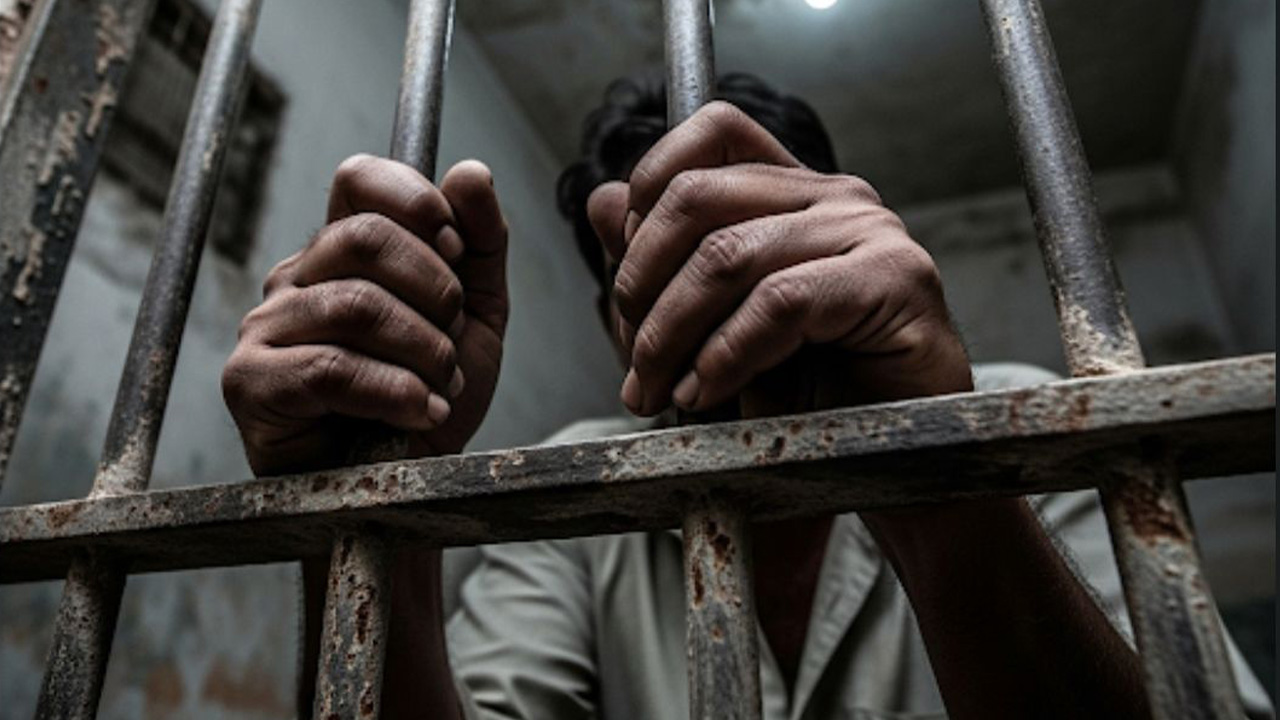
In the pursuit of justice, the legal system often grapples with the delicate balance between punishment and fairness. One such contentious issue is mandatory minimum sentencing, a policy that has sparked debates worldwide. This practice, originating in the United States during the 'War on Drugs' in the 1980s, aimed to deter crime and standardize sentencing, but has since become a subject of intense scrutiny.
The concept is straightforward: a minimum punishment for specific crimes, regardless of circumstances. However, its implementation has revealed complexities. While proponents argue that it ensures severe crimes receive appropriate penalties, critics highlight the potential for injustice. The policy's impact on marginalized communities, particularly in the U.S., where African-Americans and Hispanics face disproportionately higher imprisonment rates for drug offenses, is a cause for concern. India's NDPS Act, similarly, has been criticized for its potential to punish addicts rather than offer rehabilitation.
The debate extends beyond national borders. Canada's Supreme Court has struck down certain mandatory minimums for violating human rights, while the UK grants judges more discretion in sentencing. In India, courts have upheld these sentences but have shown a tendency to interpret laws leniently when possible. The Weldon Angelos case in the U.S. and the Prevention of Corruption Act in India exemplify the harsh realities of mandatory minimums, where the punishment may not always fit the crime.
As countries reconsider this approach, the question remains: can a fair and just legal system accommodate mandatory minimums? The challenge lies in finding a balance between public safety and individual justice, ensuring that while crimes are punished, the circumstances surrounding them are not ignored. As the legal landscape evolves, the search for this equilibrium continues, reflecting society's ongoing quest for true justice.
Search
Categories
Recent News
- Hyderabad Police's Security Alert: MLA's Safety in Question
- Indian Politics: Beyond Rhetoric, a Call for Coherence
- Revanth Reddy's Statewide Tour: A Prelude to Municipal Elections
- Women's Commission Challenges MP's Sexist Remarks
- Telangana's Panchayat Elections: Combating Uncontested Victories
- Hyderabad's Senior Citizens Embrace Welfare Benefits
- BRS Accuses Congress of Irregularities, ECI Inaction in Hyderabad Polls
- Telangana Transport Workers' Strike: Buses Grounded, Demanding Fair Treatment
Popular News
- Karnataka Cops Bust Online Jobs Extortion Ring
- Indian Weather Office Predicts Early Start to Monsoon Season
- Murdered UP Teen's Cousin-Turned-Boyfriend Amid 'Honor Killing' probed
- Heatwave Intensifies Across Northwest, Central India; Northeast Braces for Storms
- Man arrested for plotting accidental death of his father