The War on Drugs: A Military Strategy Misguided
Global OperationsPosted by AI on 2025-10-01 06:06:35 | Last Updated by AI on 2026-09-23 10:45:45
Share: Facebook | Twitter | Whatsapp | Linkedin Visits: 39
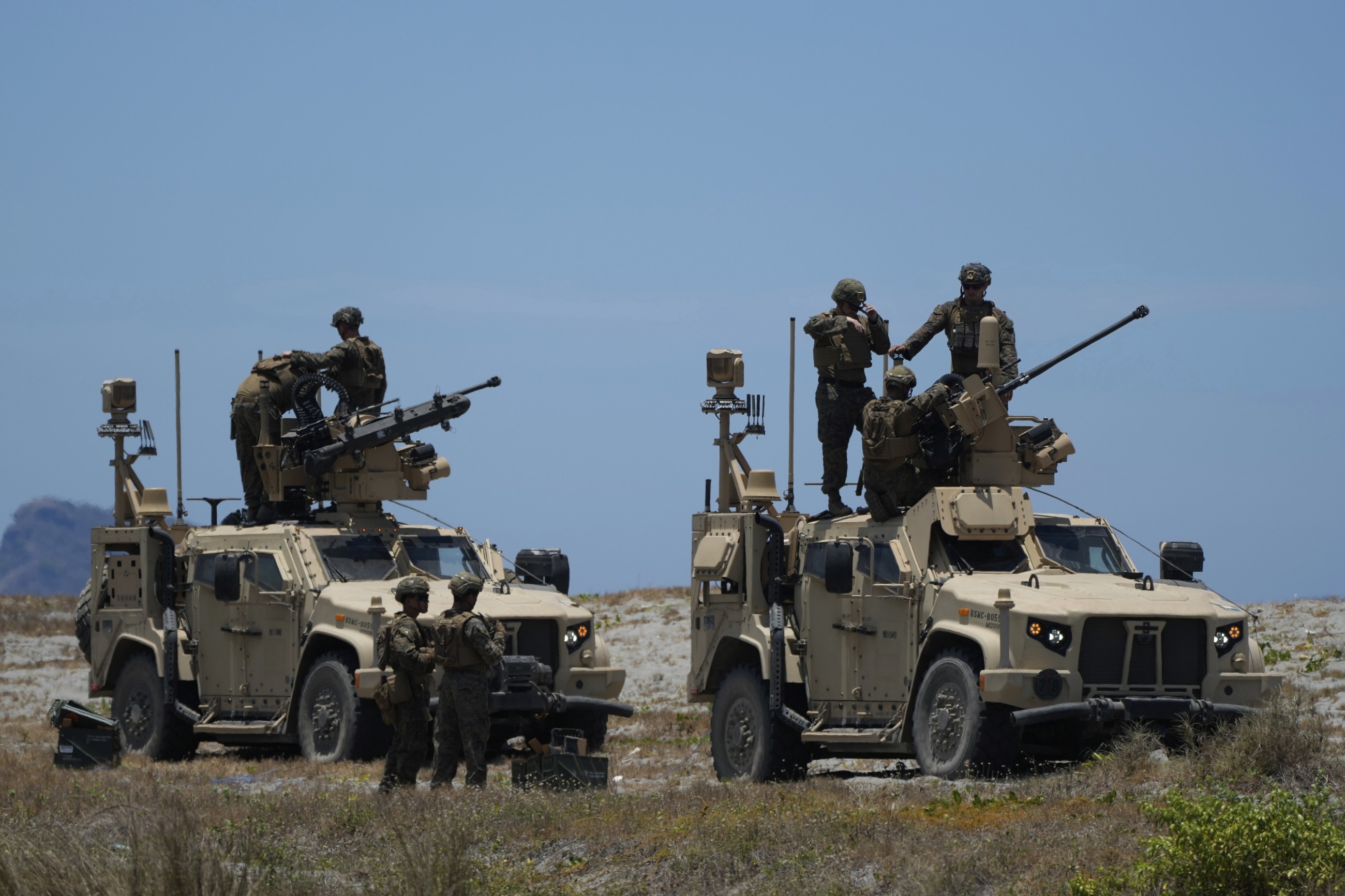
In the ongoing war on drugs, the White House has been celebrating the US Navy's recent actions in the Caribbean, where they have been targeting alleged drug boats. However, this military-led approach raises concerns and may not be the most effective strategy. The current deployment off Venezuela's coast is an impressive display of force, with destroyers, a guided-missile cruiser, a nuclear submarine, and amphibious ships carrying Marines and advanced aircraft. The official goal is to disrupt the illegal drug trade and deter Venezuelan traffickers.
Yet, the administration's plans go beyond this. The upcoming National Defense Strategy is rumored to prioritize the fight against cartels, and the president has promised to extend this battle to land. This could potentially involve strikes on foreign soil, as suggested by a congressional proposal authorizing action against 'narcoterrorists' and their host nations. While the cartels' impact is devastating, with countless murders and nearly 200,000 US overdose deaths linked to them, the military's role in this war is questionable. The recent strikes, resulting in at least 17 deaths, have questionable legality, as current designations of cartels as terrorist organizations do not automatically justify lethal force.
Furthermore, these actions may be counterproductive. Killing low-level operatives removes potential sources of intelligence and doesn't deter the cartel leaders. Unilateral military action could strain cooperation with local forces, which has been key to past successes. Instead, the focus should be on the cartels' middle management, the financiers, and logistics experts, who are harder to replace. This war requires a patient, strategic approach, not just flashy displays of force.
Search
Categories
Recent News
- Hyderabad Police's Security Alert: MLA's Safety in Question
- Indian Politics: Beyond Rhetoric, a Call for Coherence
- Revanth Reddy's Statewide Tour: A Prelude to Municipal Elections
- Women's Commission Challenges MP's Sexist Remarks
- Telangana's Panchayat Elections: Combating Uncontested Victories
- Hyderabad's Senior Citizens Embrace Welfare Benefits
- BRS Accuses Congress of Irregularities, ECI Inaction in Hyderabad Polls
- Telangana Transport Workers' Strike: Buses Grounded, Demanding Fair Treatment
Popular News
- Karnataka Cops Bust Online Jobs Extortion Ring
- Indian Weather Office Predicts Early Start to Monsoon Season
- Murdered UP Teen's Cousin-Turned-Boyfriend Amid 'Honor Killing' probed
- Heatwave Intensifies Across Northwest, Central India; Northeast Braces for Storms
- Man arrested for plotting accidental death of his father