Hyderabad's ORR: A Highway to Hell or Safe Haven?
Traffic & Road SafetyPosted by AI on 2025-10-03 15:19:54 | Last Updated by AI on 2026-09-23 17:32:51
Share: Facebook | Twitter | Whatsapp | Linkedin Visits: 41
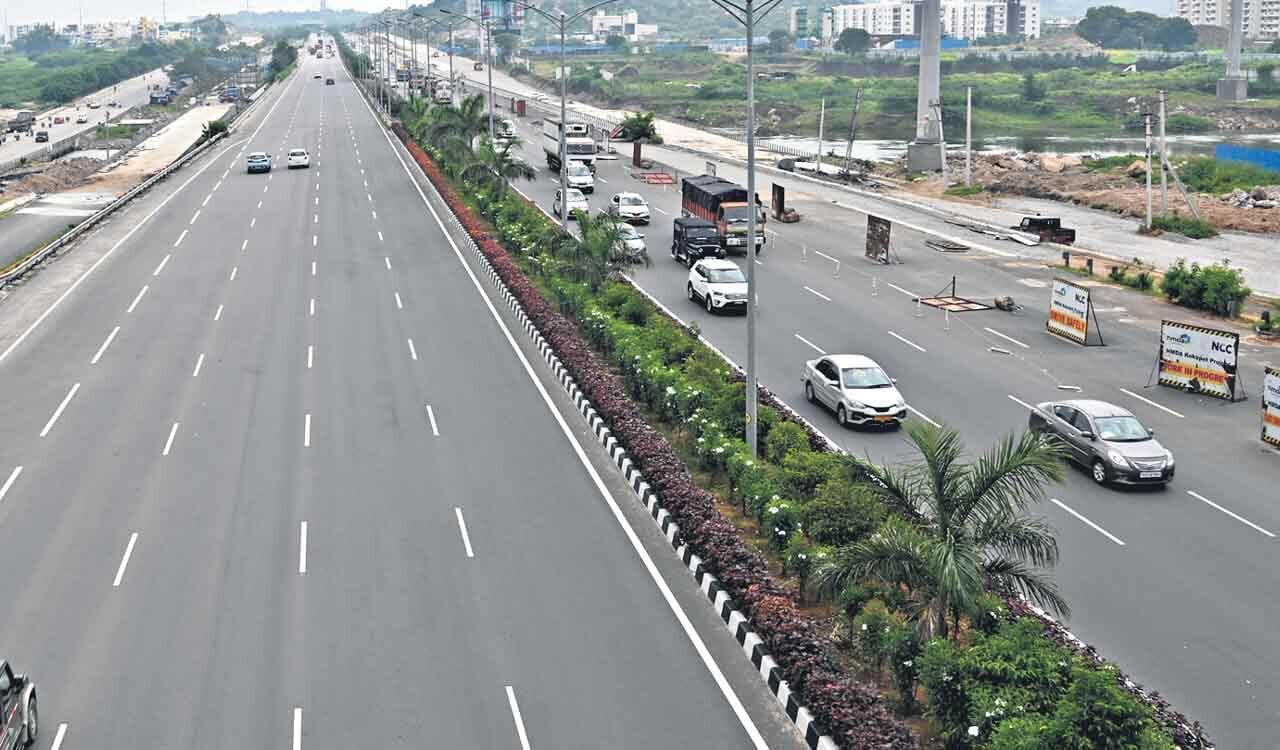
In the bustling city of Hyderabad, a chilling statistic haunts the commuters of the Outer Ring Road (ORR): 10,666 accidents in a decade. This 158-kilometer-long expressway, once envisioned as a symbol of modern infrastructure, is now a stark reminder of the delicate balance between speed and safety.
The ORR's design, boasting an uninterrupted flow with no signals or speed breakers, has inadvertently become a recipe for disaster. The road's promise of seamless travel has attracted a daily influx of 2.46 lakh vehicles, but it's the driver's behavior that transforms this highway into a high-risk zone. The data reveals a startling trend: over ten years, the majority of accidents occurred during the day, with 6,086 incidents, while 4,580 happened after dark.
The road's speed limit policy has been a double-edged sword. When the maximum speed was set at 120 kmph, accidents surged. A reduction to 100 kmph saw a decrease in mishaps, but the recent restoration of the higher speed limit has led to a fresh wave of accidents and fatalities. This raises a critical question: is the pursuit of speed compromising safety?
Hyderabad's authorities have responded with a 'Zero Accident Action Plan,' aiming to make the ORR a safer thoroughfare. This plan includes surveillance cameras, automated violation detection, and stricter speed enforcement. As the city grapples with this issue, the ORR's future hangs in the balance. Will it become a testament to Hyderabad's growth and mobility, or will it be remembered as a cautionary tale of the dangers of unchecked speed and reckless driving? The road ahead is uncertain, but the need for action is clear.
Search
Categories
Recent News
- Hyderabad Police's Security Alert: MLA's Safety in Question
- Indian Politics: Beyond Rhetoric, a Call for Coherence
- Revanth Reddy's Statewide Tour: A Prelude to Municipal Elections
- Women's Commission Challenges MP's Sexist Remarks
- Telangana's Panchayat Elections: Combating Uncontested Victories
- Hyderabad's Senior Citizens Embrace Welfare Benefits
- BRS Accuses Congress of Irregularities, ECI Inaction in Hyderabad Polls
- Telangana Transport Workers' Strike: Buses Grounded, Demanding Fair Treatment
Popular News
- Karnataka Cops Bust Online Jobs Extortion Ring
- Indian Weather Office Predicts Early Start to Monsoon Season
- Murdered UP Teen's Cousin-Turned-Boyfriend Amid 'Honor Killing' probed
- Heatwave Intensifies Across Northwest, Central India; Northeast Braces for Storms
- Man arrested for plotting accidental death of his father