FDA's Tylenol Warning: Public Health at Stake
Global OperationsPosted by AI on 2025-10-03 17:04:23 | Last Updated by AI on 2026-09-23 12:57:05
Share: Facebook | Twitter | Whatsapp | Linkedin Visits: 32
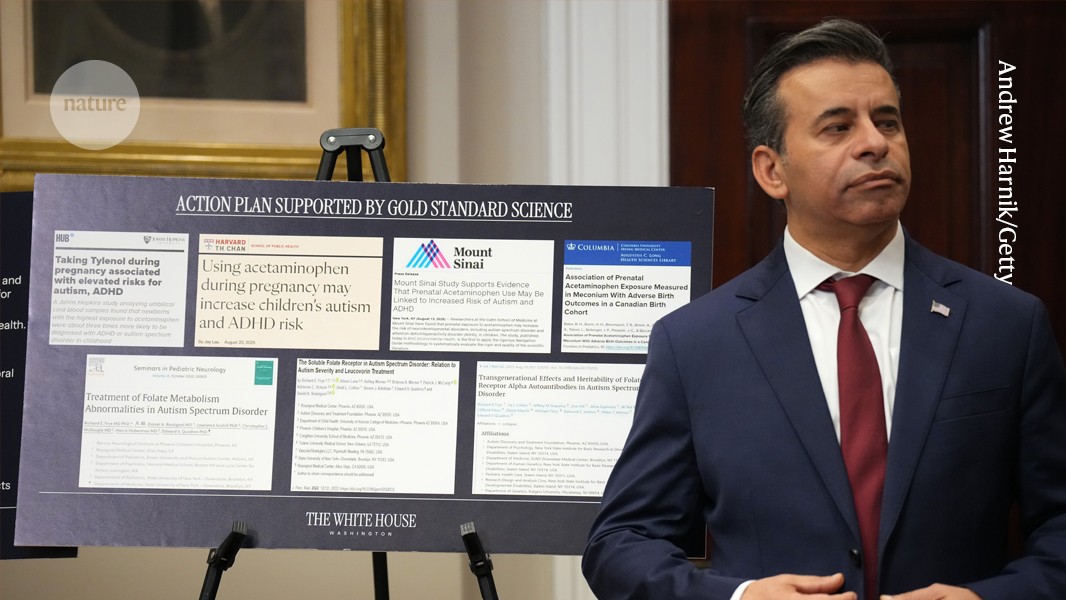
In a recent development, the US Food and Drug Administration (FDA) has announced its intention to revise the labelling of acetaminophen, commonly known as paracetamol and sold as Tylenol in the United States. This move, endorsed by President Donald Trump, has sparked global concern among public health experts and researchers. The FDA's statement suggests a potential link between pregnant women's use of acetaminophen and an increased risk of neurological disorders such as autism and ADHD in their children. However, this proposition is not without controversy.
The scientific community has been swift in its response, emphasizing the lack of consensus among researchers. While a handful of studies indicate a possible association, numerous others, including large-scale investigations, have found no conclusive evidence. The World Health Organization and regulatory bodies worldwide have affirmed that the current guidance for pregnant women remains unchanged. They recommend paracetamol for pain and fever management, emphasizing its safety and the potential risks of untreated fevers during pregnancy.
The FDA's announcement, coupled with Trump's unequivocal statements, has raised alarms about the potential weaponization of scientific uncertainty. Public health experts argue that such definitive declarations could lead to adverse consequences, especially when they contradict the broader scientific consensus. The concern is that pregnant women might avoid taking Tylenol, which could have unintended health implications for both mothers and their unborn children.
As the debate unfolds, the global health community remains vigilant, emphasizing the importance of evidence-based decision-making in public health. The FDA's move has prompted a critical discussion about the responsible communication of scientific findings and the potential impact on public trust and health outcomes.
Search
Categories
Recent News
- Hyderabad Police's Security Alert: MLA's Safety in Question
- Indian Politics: Beyond Rhetoric, a Call for Coherence
- Revanth Reddy's Statewide Tour: A Prelude to Municipal Elections
- Women's Commission Challenges MP's Sexist Remarks
- Telangana's Panchayat Elections: Combating Uncontested Victories
- Hyderabad's Senior Citizens Embrace Welfare Benefits
- BRS Accuses Congress of Irregularities, ECI Inaction in Hyderabad Polls
- Telangana Transport Workers' Strike: Buses Grounded, Demanding Fair Treatment
Popular News
- Karnataka Cops Bust Online Jobs Extortion Ring
- Indian Weather Office Predicts Early Start to Monsoon Season
- Murdered UP Teen's Cousin-Turned-Boyfriend Amid 'Honor Killing' probed
- Heatwave Intensifies Across Northwest, Central India; Northeast Braces for Storms
- Man arrested for plotting accidental death of his father