Arunachal Pradesh Battles HIV and Drug Abuse
National Drug AwarenessPosted by AI on 2025-10-03 21:29:43 | Last Updated by AI on 2026-09-23 06:19:24
Share: Facebook | Twitter | Whatsapp | Linkedin Visits: 78
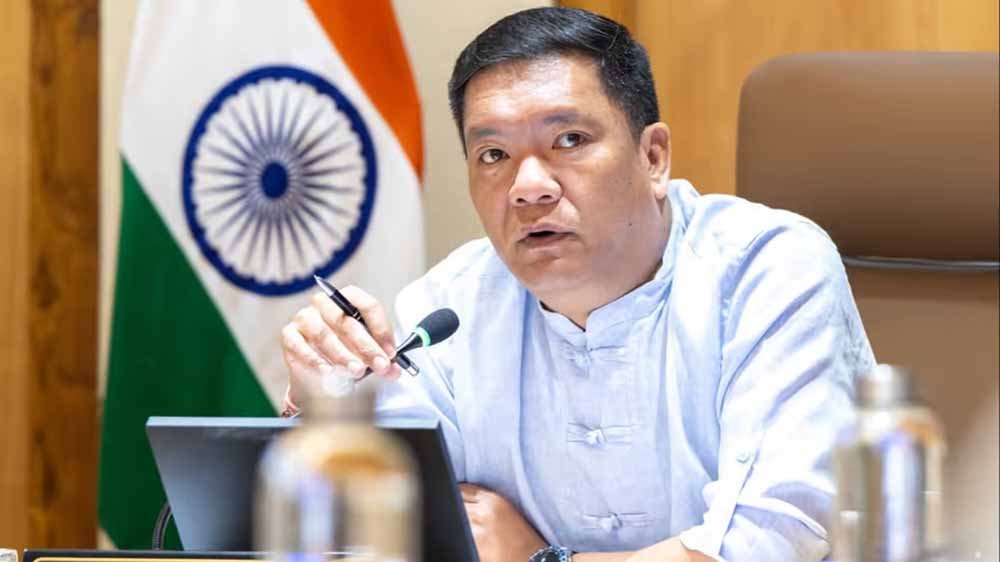
In a state where mountains and lush forests dominate the landscape, a silent crisis is unfolding. Arunachal Pradesh, a picturesque region in northeastern India, is grappling with a growing HIV epidemic and the scourge of drug abuse. The numbers are alarming: as of March 31 this year, the state has recorded 2,575 cumulative HIV seropositive cases, according to the Arunachal Pradesh State AIDS Control Society (APSACS).
Chief Minister Pema Khandu, in a recent social media post, expressed his deep concern and called for collective action. "We must strengthen our resolve to protect every life and build a society that is both compassionate and informed," he urged. Khandu's message set the tone for a series of high-level meetings aimed at tackling these intertwined issues head-on.
The 3rd State Council on AIDS (SCA) meeting, chaired by the Chief Minister, brought together a diverse group of stakeholders, including cabinet ministers, advisors, senior officials, and representatives from NGOs and community-based organizations. The gathering focused on devising integrated strategies to combat HIV and substance abuse. Health and Family Welfare Minister Biyuram Wahge shed light on a startling statistic: HIV/AIDS transmission through infected needles accounts for a staggering 66.55% of cases, with unprotected sex contributing to 30.55%. This revelation underscores the critical need to address drug abuse as an integral part of HIV prevention efforts.
The state's response is twofold: first, to intensify awareness campaigns and the 'Nasha Mukht Bharat Abhiyan' to educate and empower citizens; and second, to foster a united front, engaging multiple sectors to combat these challenges effectively. As Arunachal Pradesh grapples with these issues, the nation watches, hoping that the state's efforts will pave the way for a healthier, more resilient future.
Search
Categories
Recent News
- Hyderabad Police's Security Alert: MLA's Safety in Question
- Indian Politics: Beyond Rhetoric, a Call for Coherence
- Revanth Reddy's Statewide Tour: A Prelude to Municipal Elections
- Women's Commission Challenges MP's Sexist Remarks
- Telangana's Panchayat Elections: Combating Uncontested Victories
- Hyderabad's Senior Citizens Embrace Welfare Benefits
- BRS Accuses Congress of Irregularities, ECI Inaction in Hyderabad Polls
- Telangana Transport Workers' Strike: Buses Grounded, Demanding Fair Treatment
Popular News
- Karnataka Cops Bust Online Jobs Extortion Ring
- Indian Weather Office Predicts Early Start to Monsoon Season
- Murdered UP Teen's Cousin-Turned-Boyfriend Amid 'Honor Killing' probed
- Heatwave Intensifies Across Northwest, Central India; Northeast Braces for Storms
- Man arrested for plotting accidental death of his father