Driving Viksit Bharat: How Policy Reforms and Infrastructure Investments are Revolutionizing India's Logistics Sector
Investments Indian InvestmentsPosted by NewAdmin on 2025-03-27 08:24:12 |
Share: Facebook | Twitter | Whatsapp | Linkedin Visits: 69
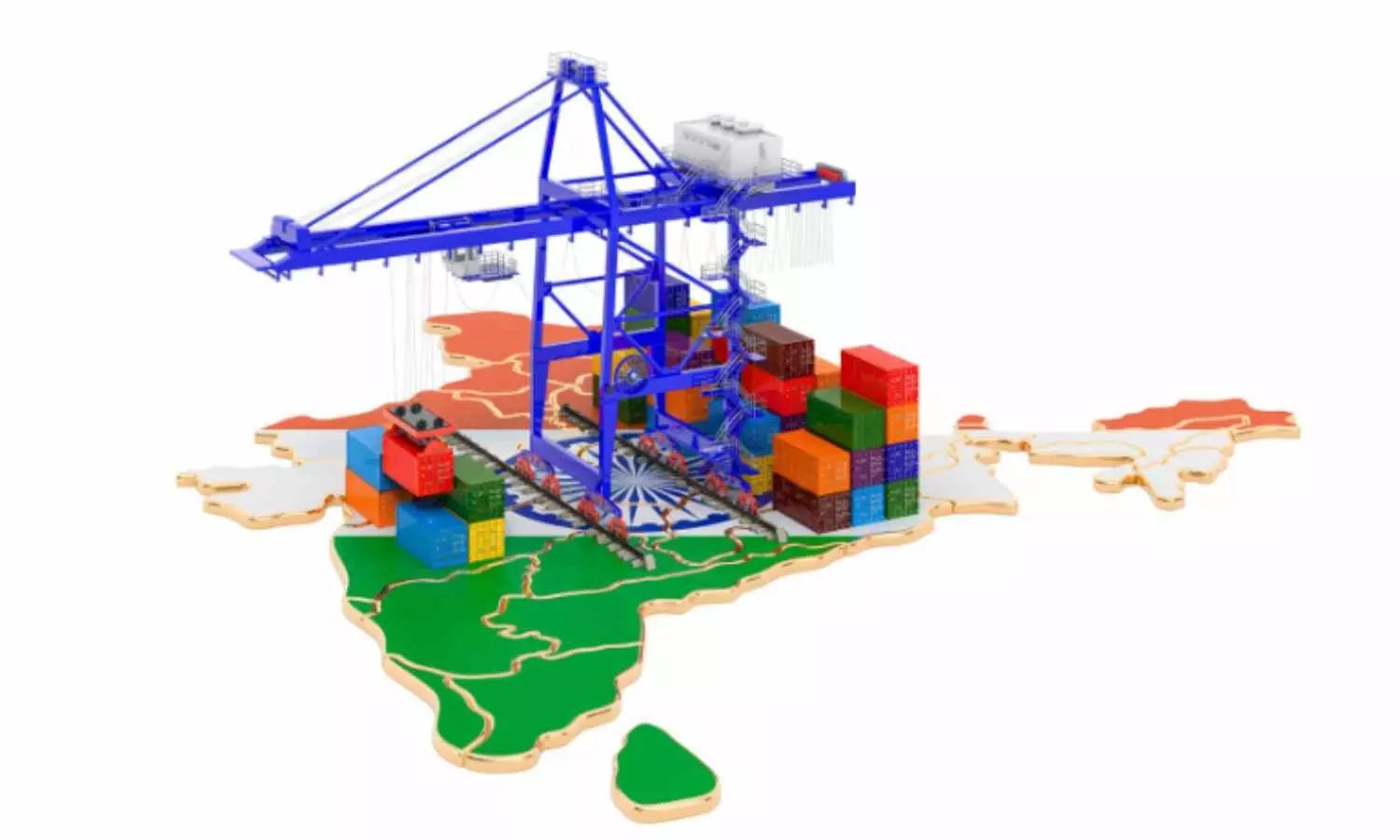
Viksit Bharat 2047 is India’s ambitious roadmap to becoming
a self-reliant, prosperous economy by 2047, focusing on economic growth,
technological advancements, infrastructure development, social empowerment, and
sustainability. The logistics industry plays a crucial role in achieving this
vision. Currently, logistics costs account for 13-14% of India’s GDP, but the
government has implemented strategic policies to reduce these costs to around
8-10%. This will help position India among the top 25 countries in the World
Bank's Logistics Performance Index by 2030.
India’s logistics market is poised for significant growth,
expected to rise from $317.26 billion in 2024 to $484.43 billion by 2029,
reflecting an annual growth rate of 8.8%. With the country’s e-commerce market
projected to reach $325 billion by 2030, a robust logistics infrastructure is
essential to support this exponential growth. Historically, India’s logistics
system operated through separate road, rail, air, and water networks. However,
recent investments in infrastructure have integrated these modes of
transportation, enabling multimodal logistics, improving transit times, cutting
costs, and enhancing supply chain agility.
Policy Reforms Transforming Logistics
The Indian government has implemented a series of policy
reforms to streamline logistics operations, reduce bottlenecks, and foster
sectoral growth. The PM Gati Shakti National Master Plan is one such
initiative. It aims to achieve operational excellence by ensuring seamless
connectivity and focusing on holistic infrastructure development. This
initiative promotes inland waterways and supports projects like Sagarmala and
Bharatmala, which enhance connectivity across multiple transportation modes.
The National Logistics Policy (NLP), which complements the
Gati Shakti Plan, seeks to digitize supply chains, simplify regulatory
processes, and reduce logistics costs from 14-16% of GDP to single-digit
figures. The NLP is positioning India as a global logistics hub by emphasizing
technology, transparency, and sustainability. Additionally, the government’s
Maritime India Vision 2030 aims to strengthen India’s maritime infrastructure,
modernize ports, boost inland waterways, increase shipping tonnage, and improve
overall shipping facilities. To support this, the government introduced a
Maritime Development Fund of Rs 25,000 crore in the recent budget to focus on
domestic shipbuilding and reduce reliance on foreign vessels. These policies
are designed to enhance maritime competitiveness and develop green, sustainable
port and shipping operations.
Infrastructure Investments Driving Growth and Efficiency
As part of its push to position India as a global logistics
powerhouse and realize the goals of Viksit Bharat, significant infrastructure
investments have been made. Key developments include:
- Bharatmala
Pariyojana: This initiative has enhanced regional connectivity by
constructing over 18,000 km of highways (as of October 2024). The improved
road infrastructure has transformed businesses along these routes,
promoting the establishment of multimodal logistics parks, hubs, and
warehouses. This development has spurred economic corridors, reducing
logistics costs and transit times.
- Dedicated
Freight Corridors (DFCs): These high-speed railway corridors have
revolutionized freight movement by offering exclusive networks for cargo
trains. With average speeds of 55-60 km/h, these corridors significantly
improve the efficiency and cost-effectiveness of freight transportation, a
marked improvement from the previous 18-20 km/h speed of Indian Railways.
- Technology
Integration: Infrastructural advancements also involve integrating
emerging technologies. AI-driven route optimization, IoT-enabled fleet
management, blockchain-powered tracking systems, and the Unified Logistics
Integrated Platform have significantly reduced operational inefficiencies,
making logistics more predictable, integrated, digital, and
cost-efficient.
Looking Ahead
While India’s logistics sector has made remarkable progress through policy reforms and infrastructure investments, further development is necessary. Addressing infrastructure gaps, particularly in last-mile connectivity and warehousing, remains a challenge. Embracing emerging technologies and ensuring sustainability will be essential to meeting the vision of a self-reliant and prosperous nation, as outlined by Viksit Bharat.
With continued strategic planning, innovation, and
investment, India’s logistics industry is well on its way to becoming a key
driver of the country’s growth and development.
Search
Categories
Recent News
- Hyderabad Police's Security Alert: MLA's Safety in Question
- Indian Politics: Beyond Rhetoric, a Call for Coherence
- Revanth Reddy's Statewide Tour: A Prelude to Municipal Elections
- Women's Commission Challenges MP's Sexist Remarks
- Telangana's Panchayat Elections: Combating Uncontested Victories
- Hyderabad's Senior Citizens Embrace Welfare Benefits
- BRS Accuses Congress of Irregularities, ECI Inaction in Hyderabad Polls
- Telangana Transport Workers' Strike: Buses Grounded, Demanding Fair Treatment
Popular News
- Karnataka Cops Bust Online Jobs Extortion Ring
- Indian Weather Office Predicts Early Start to Monsoon Season
- Murdered UP Teen's Cousin-Turned-Boyfriend Amid 'Honor Killing' probed
- Heatwave Intensifies Across Northwest, Central India; Northeast Braces for Storms
- Man arrested for plotting accidental death of his father