Reviving Indigenous Cotton for Sustainable Fashion
Social Issues Social Inequalities and exclusionPosted by newadmin on 2025-03-28 08:57:19 |
Share: Facebook | Twitter | Whatsapp | Linkedin Visits: 61
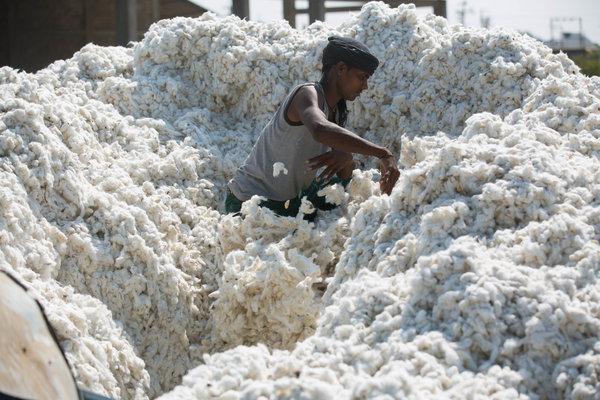
India, once home to a rich variety of indigenous cotton species, saw a drastic decline in its native cotton cultivation due to the rise of genetically modified (GM) and hybrid cotton. However, efforts are now being made to revive traditional cotton varieties like Kala cotton and Desi Kapas, which are not only eco-friendly but also more resilient to climate change.
Several grassroots organizations and sustainable fashion brands are working with farmers to bring back these cotton types. Khamir, an NGO in Gujarat, has been instrumental in reintroducing Kala cotton farming, which requires less water and no pesticides. Similarly, Saheli Women, a social enterprise in Rajasthan, has been supporting women artisans by providing them with ethical and sustainable cotton fabrics.
Indigenous cotton offers multiple benefits. Unlike GM cotton, which relies heavily on chemical fertilizers and pesticides, traditional varieties thrive with minimal inputs, reducing environmental impact. Additionally, the handwoven textiles made from native cotton are softer, more breathable, and durable, making them a perfect fit for slow fashion.
Despite these advantages, challenges remain. Farmers need financial incentives and market access to switch back to indigenous cotton. Moreover, awareness among consumers about sustainable fashion is still growing.
The revival of India’s native cotton is not just about bringing back lost varieties; it is about restoring biodiversity, empowering rural communities, and promoting ethical fashion. With continued efforts, these initiatives could pave the way for a more sustainable and responsible textile industry.
Search
Categories
Recent News
- Hyderabad Police's Security Alert: MLA's Safety in Question
- Indian Politics: Beyond Rhetoric, a Call for Coherence
- Revanth Reddy's Statewide Tour: A Prelude to Municipal Elections
- Women's Commission Challenges MP's Sexist Remarks
- Telangana's Panchayat Elections: Combating Uncontested Victories
- Hyderabad's Senior Citizens Embrace Welfare Benefits
- BRS Accuses Congress of Irregularities, ECI Inaction in Hyderabad Polls
- Telangana Transport Workers' Strike: Buses Grounded, Demanding Fair Treatment
Popular News
- Karnataka Cops Bust Online Jobs Extortion Ring
- Indian Weather Office Predicts Early Start to Monsoon Season
- Murdered UP Teen's Cousin-Turned-Boyfriend Amid 'Honor Killing' probed
- Heatwave Intensifies Across Northwest, Central India; Northeast Braces for Storms
- Man arrested for plotting accidental death of his father