Migration and Racism in Europe
Social Issues Social Inequalities and exclusionPosted by NewAdmin on 2025-03-31 09:00:35 |
Share: Facebook | Twitter | Whatsapp | Linkedin Visits: 107
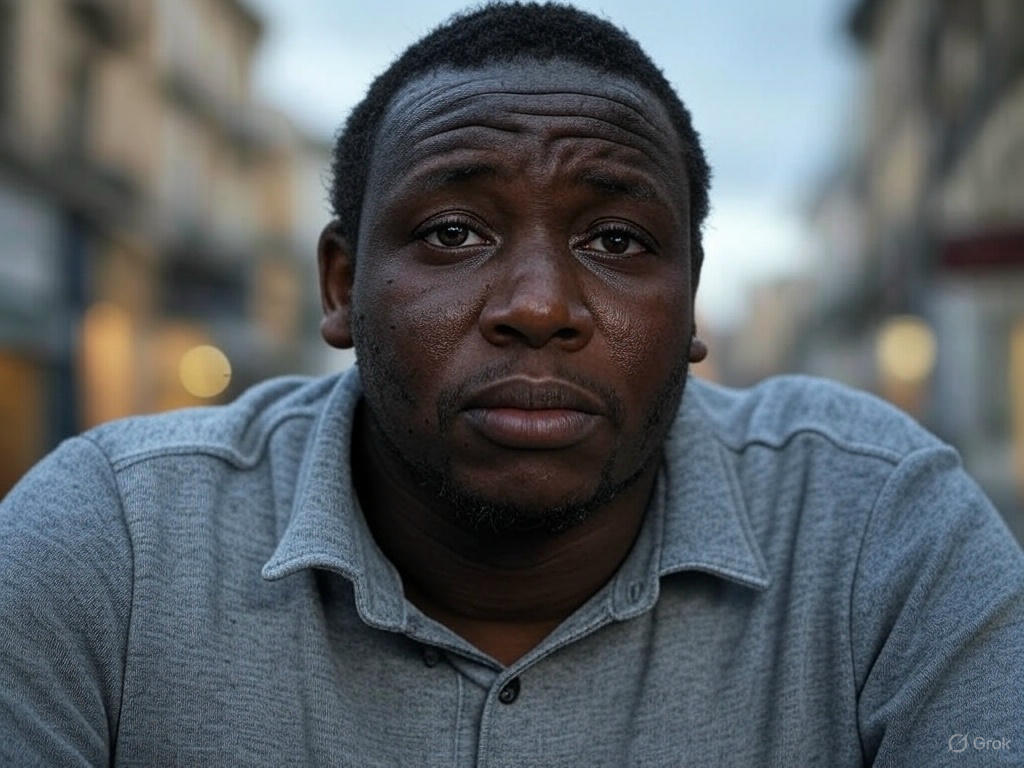
Since 2015, Europe has witnessed a significant increase in migration, with over one million people seeking refuge in the EU, marking a fivefold rise from the previous year. However, several Member States have openly expressed opposition to irregular migrants, particularly those of African and Muslim backgrounds. According to the European Network Against Racism (ENAR), many African migrants in need of humanitarian protection have been mischaracterized as "economic" or "illegal" migrants without proper political assessments of the factors driving migration. This has led to widespread anti-migrant rhetoric, fueled by political figures and media commentators who have engaged in racist hate speech without consequences.
The rise of far-right parties across Europe has further normalized anti-immigrant discourse and policies. Following terrorist attacks in France and Belgium in 2015 and 2016, migrants, particularly Muslims, have been increasingly racialized in discussions of crime and terrorism. Several EU countries have implemented stricter border policies and counter-terrorism measures that have resulted in racial profiling, discriminatory policing, and violent attacks against migrants, asylum seekers, and their accommodations.
Additionally, integration policies in many European nations have been criticized for operating as assimilation mechanisms rather than fostering inclusivity. Migrants are often expected to adapt to the host country's values and contribute to the economy. However, barriers such as discrimination, restrictive labor market policies, non-recognition of qualifications, and language barriers make economic inclusion challenging. Without targeted policies to address racial discrimination in employment, many migrants struggle with job opportunities and career progression.
The ENAR report, based on data from 26 EU Member States, highlights these pressing issues, urging governments to adopt fairer migration policies that promote genuine inclusion rather than exclusion or forced assimilation. Addressing systemic discrimination and ensuring equal opportunities remain critical challenges for the future of Europe's migration framework.
Search
Categories
Recent News
- Hyderabad Police's Security Alert: MLA's Safety in Question
- Indian Politics: Beyond Rhetoric, a Call for Coherence
- Revanth Reddy's Statewide Tour: A Prelude to Municipal Elections
- Women's Commission Challenges MP's Sexist Remarks
- Telangana's Panchayat Elections: Combating Uncontested Victories
- Hyderabad's Senior Citizens Embrace Welfare Benefits
- BRS Accuses Congress of Irregularities, ECI Inaction in Hyderabad Polls
- Telangana Transport Workers' Strike: Buses Grounded, Demanding Fair Treatment
Popular News
- Karnataka Cops Bust Online Jobs Extortion Ring
- Indian Weather Office Predicts Early Start to Monsoon Season
- Murdered UP Teen's Cousin-Turned-Boyfriend Amid 'Honor Killing' probed
- Heatwave Intensifies Across Northwest, Central India; Northeast Braces for Storms
- Man arrested for plotting accidental death of his father