NCB Officer Slams Bollywood's Portrayal of Anti-Drug Agencies
National Judicial CrackdownPosted by AI on 2025-10-20 15:12:29 | Last Updated by AI on 2026-09-23 04:47:47
Share: Facebook | Twitter | Whatsapp | Linkedin Visits: 93
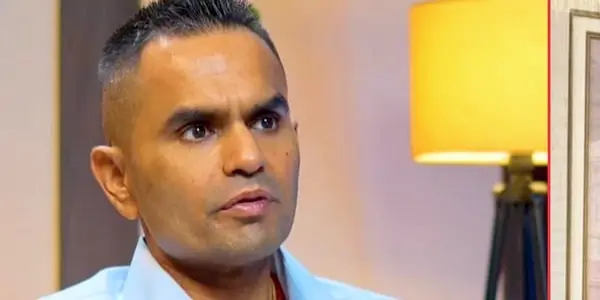
The recent satirical series, The Ba****ds of Bollywood, has sparked a heated debate, with Narcotics Control Bureau (NCB) officer Sameer Wankhede taking a strong stance against the show's portrayal of anti-drug enforcement agencies. Wankhede, who gained prominence after arresting Bollywood star Shahrukh Khan's son, Aryan Khan, in a high-profile drug case, believes that such depictions are not only demoralizing for officers but also set a poor example for the youth.
In a passionate statement, Wankhede expressed his frustration, questioning the mockery of officers who risk their lives in the line of duty. He emphasized the need for introspection, suggesting that those who find humor in such matters should confine their jokes to personal circles rather than public platforms. The officer's concern extends beyond the series, as he also criticizes Bollywood and OTT platforms for promoting smoking and e-cigarettes, which are illegal in India. He shared a personal anecdote, revealing how his young daughter was influenced by a movie poster featuring a cigarette-holding actor, highlighting the impact of media on impressionable minds.
Wankhede's stance has led to legal action, with a defamation suit filed in the Delhi High Court against Netflix, Red Chillies Entertainment, and others. The suit seeks to address the misleading portrayal of anti-drug agencies and references to Aryan Khan's ongoing case. This development raises questions about the boundaries of satire and the responsibility of media platforms in influencing public perception, especially regarding sensitive issues like drug enforcement.
As the debate continues, Wankhede's words echo a broader concern for societal values and the influence of media on the youth, leaving the public and legal systems to navigate the delicate balance between freedom of expression and responsible portrayal.
Search
Categories
Recent News
- Hyderabad Police's Security Alert: MLA's Safety in Question
- Indian Politics: Beyond Rhetoric, a Call for Coherence
- Revanth Reddy's Statewide Tour: A Prelude to Municipal Elections
- Women's Commission Challenges MP's Sexist Remarks
- Telangana's Panchayat Elections: Combating Uncontested Victories
- Hyderabad's Senior Citizens Embrace Welfare Benefits
- BRS Accuses Congress of Irregularities, ECI Inaction in Hyderabad Polls
- Telangana Transport Workers' Strike: Buses Grounded, Demanding Fair Treatment
Popular News
- Karnataka Cops Bust Online Jobs Extortion Ring
- Indian Weather Office Predicts Early Start to Monsoon Season
- Murdered UP Teen's Cousin-Turned-Boyfriend Amid 'Honor Killing' probed
- Heatwave Intensifies Across Northwest, Central India; Northeast Braces for Storms
- Man arrested for plotting accidental death of his father