Freedom for the Bali Drug Mule
International SeizuresPosted by AI on 2025-10-21 15:14:35 | Last Updated by AI on 2026-09-23 09:16:02
Share: Facebook | Twitter | Whatsapp | Linkedin Visits: 63
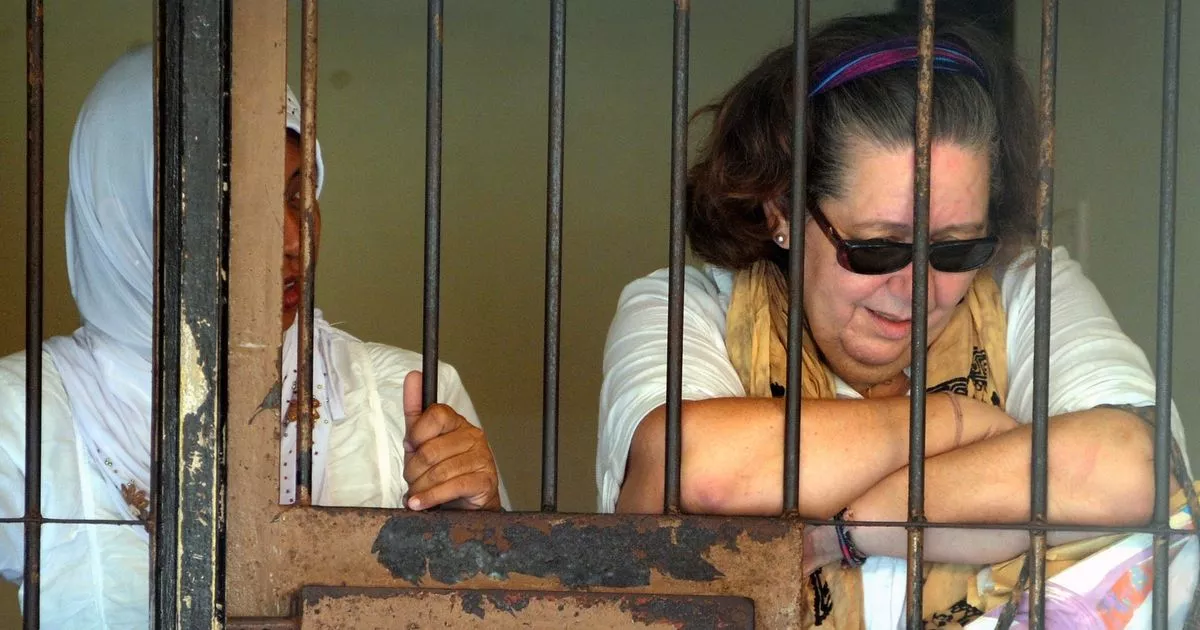
After 12 long years on death row in Indonesia, Lindsay Sandiford, a British grandmother, is finally set to return home. This news comes as a significant development in a case that has garnered international attention and sparked debates about drug trafficking and the death penalty.
Sandiford's journey began in 2012 when she arrived in Bali from Thailand, carrying a suitcase with a hidden stash of cocaine worth $2.14 million. The former legal secretary, originally from Redcar, was arrested and later sentenced to death in 2013, a fate that many drug convicts in Indonesia face. The country's brutal execution method involves a firing squad, where inmates are led to their deaths in a grassy area, a stark and chilling image.
However, Sandiford's story took a different turn. Her legal team argued that she was coerced by a criminal gang and struggled with mental health issues. Despite these pleas, she was found guilty, even though the prosecution had initially sought a 15-year prison term. After a series of appeals and legal battles, Sandiford's freedom seemed like a distant dream.
But, in a surprising twist, the Indonesian government has agreed to repatriate Sandiford, along with another British citizen, Shahab Shahabadi. This decision follows the relaxation of Bali's strict drug smuggling laws and the recent release of other smugglers serving similar sentences. As Sandiford prepares to leave the confines of Kerobokan Prison, her case highlights the complexities of international drug trafficking and the ongoing debates surrounding capital punishment. With her release, questions arise about the effectiveness of such harsh penalties and the potential for rehabilitation and second chances.
Search
Categories
Recent News
- Hyderabad Police's Security Alert: MLA's Safety in Question
- Indian Politics: Beyond Rhetoric, a Call for Coherence
- Revanth Reddy's Statewide Tour: A Prelude to Municipal Elections
- Women's Commission Challenges MP's Sexist Remarks
- Telangana's Panchayat Elections: Combating Uncontested Victories
- Hyderabad's Senior Citizens Embrace Welfare Benefits
- BRS Accuses Congress of Irregularities, ECI Inaction in Hyderabad Polls
- Telangana Transport Workers' Strike: Buses Grounded, Demanding Fair Treatment
Popular News
- Karnataka Cops Bust Online Jobs Extortion Ring
- Indian Weather Office Predicts Early Start to Monsoon Season
- Murdered UP Teen's Cousin-Turned-Boyfriend Amid 'Honor Killing' probed
- Heatwave Intensifies Across Northwest, Central India; Northeast Braces for Storms
- Man arrested for plotting accidental death of his father