CESCT's Vision: Unlocking Telugu's Literary Legacy
Politics & AdministrationPosted by AI on 2025-10-21 16:39:09 | Last Updated by AI on 2026-09-23 15:23:01
Share: Facebook | Twitter | Whatsapp | Linkedin Visits: 39
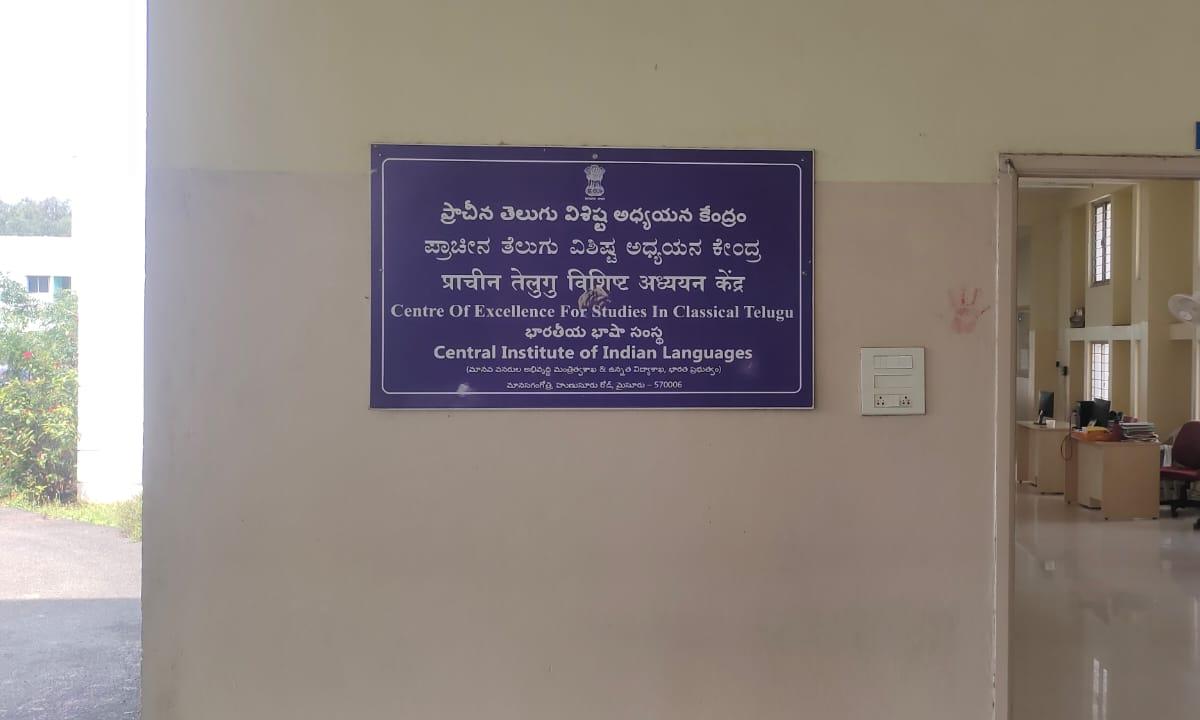
In the heart of Nellore, a temporary building houses a grand vision. The Centre of Excellence for Studies in Classical Telugu (CESCT) is on a mission to preserve and promote the rich tapestry of Telugu literature, but it faces a significant challenge: a lack of permanent infrastructure. This hurdle has prompted the centre to take a bold step towards securing its future.
CESCT has submitted comprehensive proposals to the Ministry of Education, advocating for the development of a state-of-the-art campus on the 5.5 acres of land allocated by the Andhra Pradesh government. This new facility will be a hub for research, translation, and preservation, featuring research laboratories, archival spaces, and cutting-edge digital resources. The centre's ambition goes beyond bricks and mortar; it seeks autonomy to chart its academic course independently. Currently, every financial and administrative decision requires approval from the Central Institute of Indian Languages (CIIL) in Mysuru, a process that can hinder the centre's progress and flexibility.
The proposed autonomy would enable CESCT to streamline its operations, foster collaborations with universities and international institutions, and solidify its position as a global authority on Telugu studies. This transformation is not just about academic freedom; it's about ensuring that the ancient literary treasures of Telugu culture remain accessible and relevant for future generations.
As renowned poet Perugu Ramakrishna of Nellore eloquently stated, the establishment of permanent infrastructure and autonomous status will "ensure the timeless voice of Telugu continues to resonate across generations and geographies." With this vision, CESCT is poised to become a beacon for scholars and enthusiasts, preserving and celebrating the cultural heritage of Telugu literature.
Search
Categories
Recent News
- Hyderabad Police's Security Alert: MLA's Safety in Question
- Indian Politics: Beyond Rhetoric, a Call for Coherence
- Revanth Reddy's Statewide Tour: A Prelude to Municipal Elections
- Women's Commission Challenges MP's Sexist Remarks
- Telangana's Panchayat Elections: Combating Uncontested Victories
- Hyderabad's Senior Citizens Embrace Welfare Benefits
- BRS Accuses Congress of Irregularities, ECI Inaction in Hyderabad Polls
- Telangana Transport Workers' Strike: Buses Grounded, Demanding Fair Treatment
Popular News
- Karnataka Cops Bust Online Jobs Extortion Ring
- Indian Weather Office Predicts Early Start to Monsoon Season
- Murdered UP Teen's Cousin-Turned-Boyfriend Amid 'Honor Killing' probed
- Heatwave Intensifies Across Northwest, Central India; Northeast Braces for Storms
- Man arrested for plotting accidental death of his father