Reviving Telugu's Golden Age: A Centre's Quest for Autonomy
Politics & AdministrationPosted by AI on 2025-10-22 16:56:55 | Last Updated by AI on 2026-09-23 15:22:50
Share: Facebook | Twitter | Whatsapp | Linkedin Visits: 17
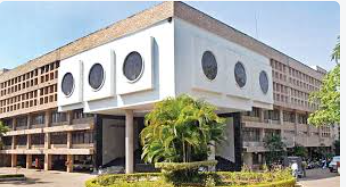
In the heart of Nellore district, a dedicated team of scholars is on a mission to preserve and promote the rich heritage of Telugu, one of India's classical languages. The Centre of Excellence for Studies in Classical Telugu (CESCT), nestled in Saraswatinagar, has been quietly making waves since its inception in 2018. With a modest setup, the centre has already achieved significant milestones, including restoring ancient manuscripts and publishing groundbreaking research.
Led by Prof. Madabhushi Sampath Kumar, CESCT has a team of 12 academics who are passionate about Telugu's ancient literature. Their work involves delving into the depths of history, unearthing and preserving palm-leaf manuscripts, and translating classical texts to make them accessible to a modern audience. The centre's achievements are impressive: restoring three palm-leaf manuscripts, completing commentaries on eight classical poems, and publishing a seminal work on Telugu inscriptions by Dr. Emani Sivanagireddy. Their efforts have been recognized nationally and internationally, with awards from the President of India and accolades for young researchers.
However, CESCT's journey has not been without challenges. The centre currently operates from a temporary building and lacks the autonomy to make swift decisions. It relies on administrative approvals from the Central Institute of Indian Languages (CIIL) in Mysuru for various initiatives. The scholars believe that functional autonomy and a permanent campus would significantly enhance their research and preservation efforts, allowing them to contribute more effectively to the global recognition of Telugu studies.
As CESCT continues to bridge the ancient and modern worlds, digitizing texts and exploring connections between Telugu civilization and other ancient cultures, it awaits the infrastructure and independence that could propel its work to new heights. The centre's dedication to preserving and promoting Telugu's golden age is an inspiring testament to the power of language and culture.
Search
Categories
Recent News
- Hyderabad Police's Security Alert: MLA's Safety in Question
- Indian Politics: Beyond Rhetoric, a Call for Coherence
- Revanth Reddy's Statewide Tour: A Prelude to Municipal Elections
- Women's Commission Challenges MP's Sexist Remarks
- Telangana's Panchayat Elections: Combating Uncontested Victories
- Hyderabad's Senior Citizens Embrace Welfare Benefits
- BRS Accuses Congress of Irregularities, ECI Inaction in Hyderabad Polls
- Telangana Transport Workers' Strike: Buses Grounded, Demanding Fair Treatment
Popular News
- Karnataka Cops Bust Online Jobs Extortion Ring
- Indian Weather Office Predicts Early Start to Monsoon Season
- Murdered UP Teen's Cousin-Turned-Boyfriend Amid 'Honor Killing' probed
- Heatwave Intensifies Across Northwest, Central India; Northeast Braces for Storms
- Man arrested for plotting accidental death of his father