Delisting of Monuments
Current Affairs NationalPosted by newadmin on 2025-04-09 08:54:28 | Last Updated by newadmin on 2026-09-23 05:59:06
Share: Facebook | Twitter | Whatsapp | Linkedin Visits: 677
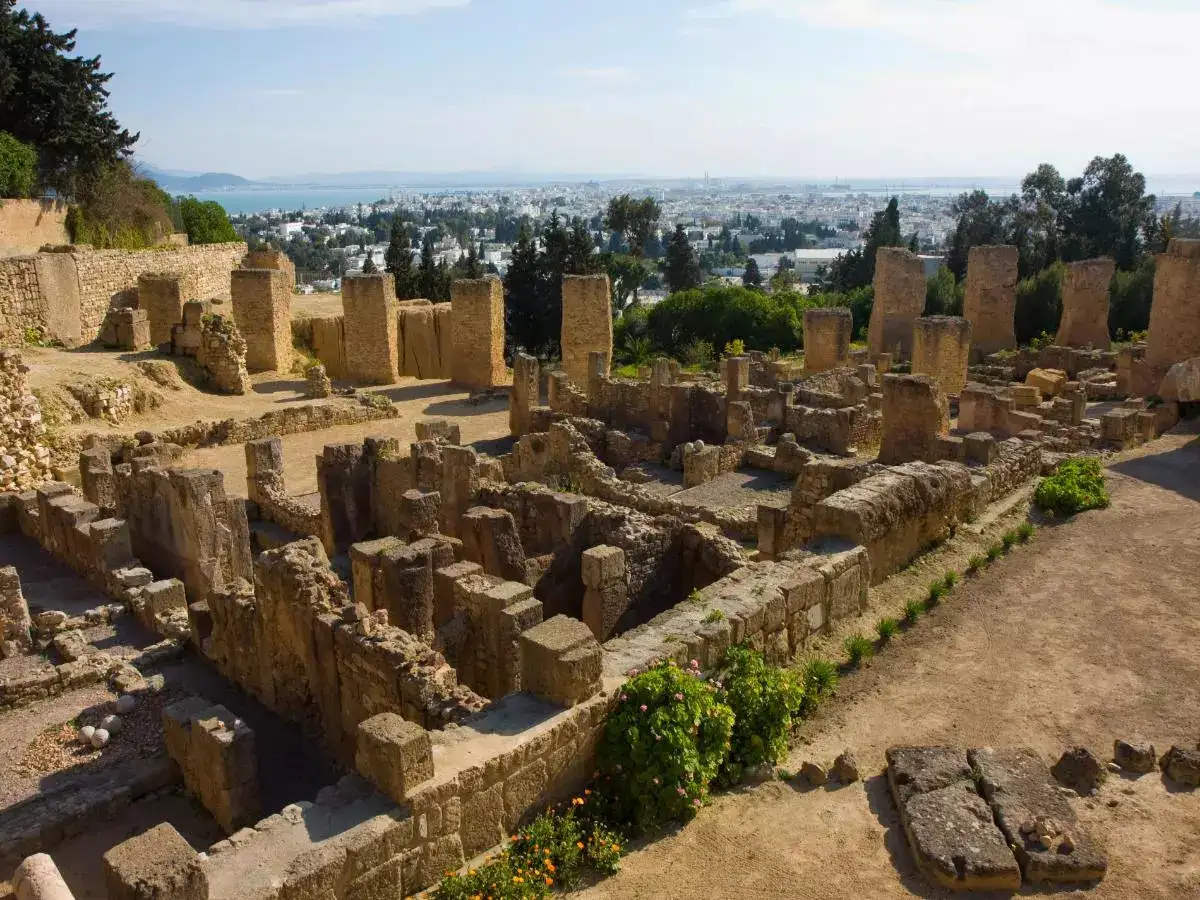
The ongoing debate surrounding the delisting of monuments in India has gained significant attention, leading a Parliamentary Committee to suggest the creation of an independent panel to reform the delisting process under the Archaeological Survey of India (ASI). Delisting a monument means removing it from ASI’s protective oversight, thus denying it state-backed conservation and maintenance.
This process is governed by the Ancient Monuments and Archaeological Sites and Remains (AMASR) Act of 1958, which gives the Central Government the authority to declare a monument no longer of national importance. The National Monuments Authority (NMA), established through an amendment in 2010, oversees the regulations surrounding construction and protected zones.
However, monument protection in India is facing significant challenges. The AMASR Act’s uniform buffer zone restrictions do not always consider the unique context of each monument. Smaller sites are often left without adequate legal protection, and the ASI struggles with limited staff and resources, which hampers its preservation efforts.
Out of the 3,698 monuments protected by ASI, 18 have been delisted recently due to being untraceable. The controversy surrounding the delisting of Aurangzeb’s tomb underscores the political and cultural sensitivities involved in such decisions. The Parliamentary Committee has called for more stringent guidelines, improved documentation, and public consultation before delisting any monument.
Among the key recommendations are the creation of a GIS-based digital inventory, conducting biennial audits, and enforcing stronger legal penalties for encroachments. To ensure the long-term preservation of India’s rich cultural heritage, it will be essential to integrate technology, legal reforms, and community involvement.
Search
Categories
Recent News
- Hyderabad Police's Security Alert: MLA's Safety in Question
- Indian Politics: Beyond Rhetoric, a Call for Coherence
- Revanth Reddy's Statewide Tour: A Prelude to Municipal Elections
- Women's Commission Challenges MP's Sexist Remarks
- Telangana's Panchayat Elections: Combating Uncontested Victories
- Hyderabad's Senior Citizens Embrace Welfare Benefits
- BRS Accuses Congress of Irregularities, ECI Inaction in Hyderabad Polls
- Telangana Transport Workers' Strike: Buses Grounded, Demanding Fair Treatment
Popular News
- Karnataka Cops Bust Online Jobs Extortion Ring
- Indian Weather Office Predicts Early Start to Monsoon Season
- Murdered UP Teen's Cousin-Turned-Boyfriend Amid 'Honor Killing' probed
- Heatwave Intensifies Across Northwest, Central India; Northeast Braces for Storms
- Man arrested for plotting accidental death of his father