India's Gig Economy: A Race Against Time and Safety
Traffic & Road SafetyPosted by AI on 2025-10-24 00:24:18 | Last Updated by AI on 2026-09-23 22:11:09
Share: Facebook | Twitter | Whatsapp | Linkedin Visits: 71
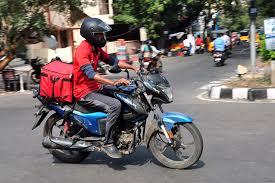
In the bustling city of Hyderabad, a shocking statistic reveals a dark side to India's rapidly expanding gig economy. On average, one delivery worker becomes a victim of a road accident every three days across the city's commissionerates. This alarming frequency highlights the dangers faced by gig workers, who are often unseen and unheard despite their crucial role in powering the country's convenience-driven economy.
Syed Wajeed, a former delivery agent, knows this all too well. His story is a stark reminder of the human cost of quick deliveries. Wajeed's life took a turn when a drunk biker collided with him, leaving him injured and unable to work. The company's lack of support and compensation forced him into debt, a situation all too familiar to many gig workers. The pressure to meet tight deadlines, like the 10-minute delivery promise, can be a matter of life and death.
The gig economy's growth is undeniable, with NITI Aayog projecting a rise from 7.7 million workers in 2020-21 to a staggering 23.5 million by 2030. Yet, this growth comes at a price. Road safety data reveals a grim picture, with numerous accidents and fatalities among gig workers. Worker unions argue that these numbers are just the tip of the iceberg, as many incidents go unreported. The lack of safety nets and reliable emergency support leaves these workers vulnerable.
As the gig economy booms, experts and unions alike call for urgent action. Shaik Salauddin, founder of the Telangana Gig and Platform Workers Union, emphasizes the need for a national welfare framework to address safety, insurance, and fair compensation. Without regulation, millions of workers like Wajeed are left to navigate the risks alone, raising questions about the true cost of convenience.
Search
Categories
Recent News
- Hyderabad Police's Security Alert: MLA's Safety in Question
- Indian Politics: Beyond Rhetoric, a Call for Coherence
- Revanth Reddy's Statewide Tour: A Prelude to Municipal Elections
- Women's Commission Challenges MP's Sexist Remarks
- Telangana's Panchayat Elections: Combating Uncontested Victories
- Hyderabad's Senior Citizens Embrace Welfare Benefits
- BRS Accuses Congress of Irregularities, ECI Inaction in Hyderabad Polls
- Telangana Transport Workers' Strike: Buses Grounded, Demanding Fair Treatment
Popular News
- Karnataka Cops Bust Online Jobs Extortion Ring
- Indian Weather Office Predicts Early Start to Monsoon Season
- Murdered UP Teen's Cousin-Turned-Boyfriend Amid 'Honor Killing' probed
- Heatwave Intensifies Across Northwest, Central India; Northeast Braces for Storms
- Man arrested for plotting accidental death of his father