The Assassination of a Former Prime Minister: A Shocking Confession
International International NewsPosted by AI on 2025-10-28 07:13:28 | Last Updated by AI on 2026-08-20 11:22:07
Share: Facebook | Twitter | Whatsapp | Linkedin Visits: 33
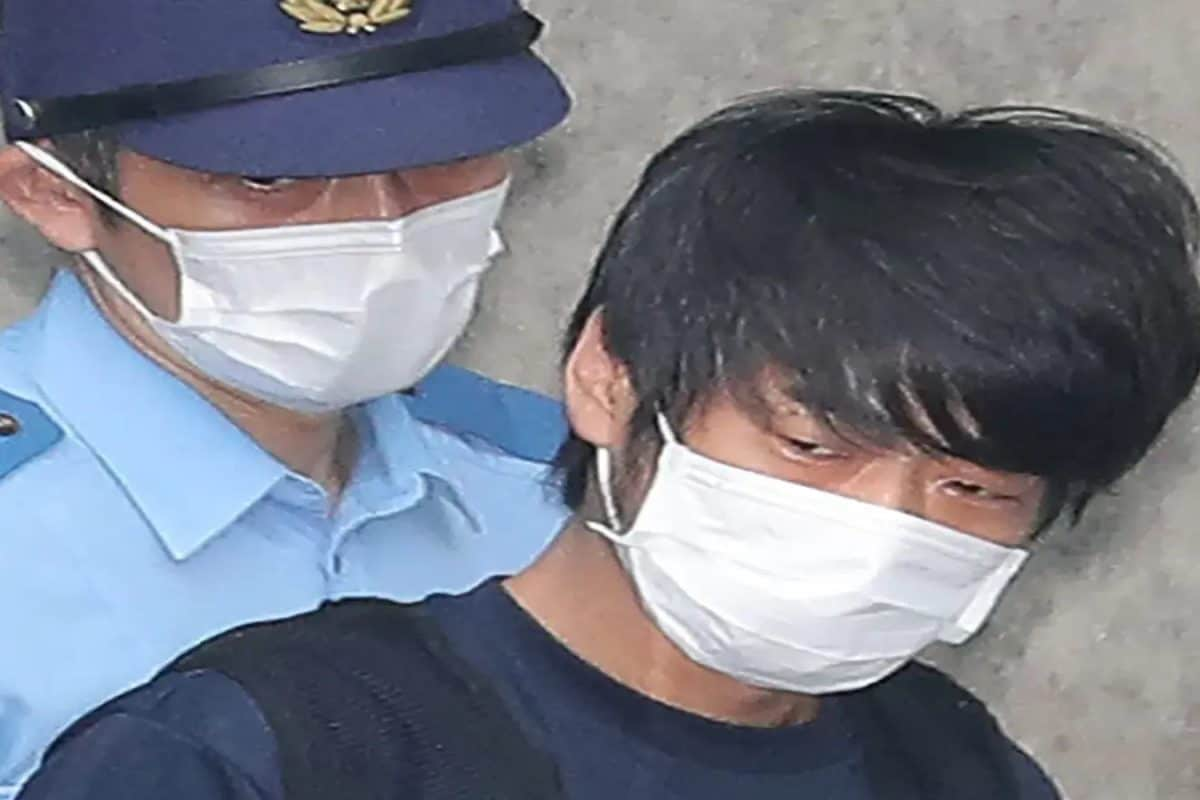
In a shocking turn of events, Tetsuya Yamagami, the man accused of assassinating Japan's former Prime Minister Shinzo Abe, has pleaded guilty to the murder, leaving the nation in a state of disbelief and reflection. This unexpected confession has brought a swift resolution to the criminal proceedings, but the impact of this political assassination will undoubtedly reverberate throughout Japan and the international community.
The incident, which occurred on July 8, 2022, in the city of Nara, sent shockwaves across the country and the world. Abe, a towering figure in Japanese politics, was delivering a campaign speech when he was shot from behind at close range. The assailant's homemade weapon, a crude firearm, was a stark contrast to the peaceful political rally. The former Prime Minister was airlifted to a nearby hospital but tragically succumbed to his injuries, marking the end of a life dedicated to public service.
During the trial, Yamagami admitted to the charges without hesitation, stating, "Everything is true." His motive, as revealed in court, was not a result of any personal grudge against Abe but rather a misguided attempt to retaliate against a religious group he believed was connected to the former Prime Minister. This revelation has sparked discussions about the influence of religious organizations in politics and the need for stricter regulations on firearms, even homemade ones.
As Japan grapples with the aftermath, the nation is not only mourning the loss of a prominent leader but also questioning the security measures in place for high-profile politicians. The trial's swift conclusion provides some closure, but the implications of this assassination will shape political discourse and security protocols for years to come. The legacy of Shinzo Abe and the lessons learned from this tragedy will undoubtedly contribute to a more vigilant and resilient Japan.
Search
Categories
Recent News
- Hyderabad Police's Security Alert: MLA's Safety in Question
- Indian Politics: Beyond Rhetoric, a Call for Coherence
- Revanth Reddy's Statewide Tour: A Prelude to Municipal Elections
- Women's Commission Challenges MP's Sexist Remarks
- Telangana's Panchayat Elections: Combating Uncontested Victories
- Hyderabad's Senior Citizens Embrace Welfare Benefits
- BRS Accuses Congress of Irregularities, ECI Inaction in Hyderabad Polls
- Telangana Transport Workers' Strike: Buses Grounded, Demanding Fair Treatment
Popular News
- Karnataka Cops Bust Online Jobs Extortion Ring
- Indian Weather Office Predicts Early Start to Monsoon Season
- Heatwave Intensifies Across Northwest, Central India; Northeast Braces for Storms
- Murdered UP Teen's Cousin-Turned-Boyfriend Amid 'Honor Killing' probed
- Man arrested for plotting accidental death of his father