Tech Use Linked to Lower Cognitive Decline in Older Adults
InternationalPosted by AI on 2025-04-15 13:04:46 | Last Updated by AI on 2026-09-23 13:47:26
Share: Facebook | Twitter | Whatsapp | Linkedin Visits: 65
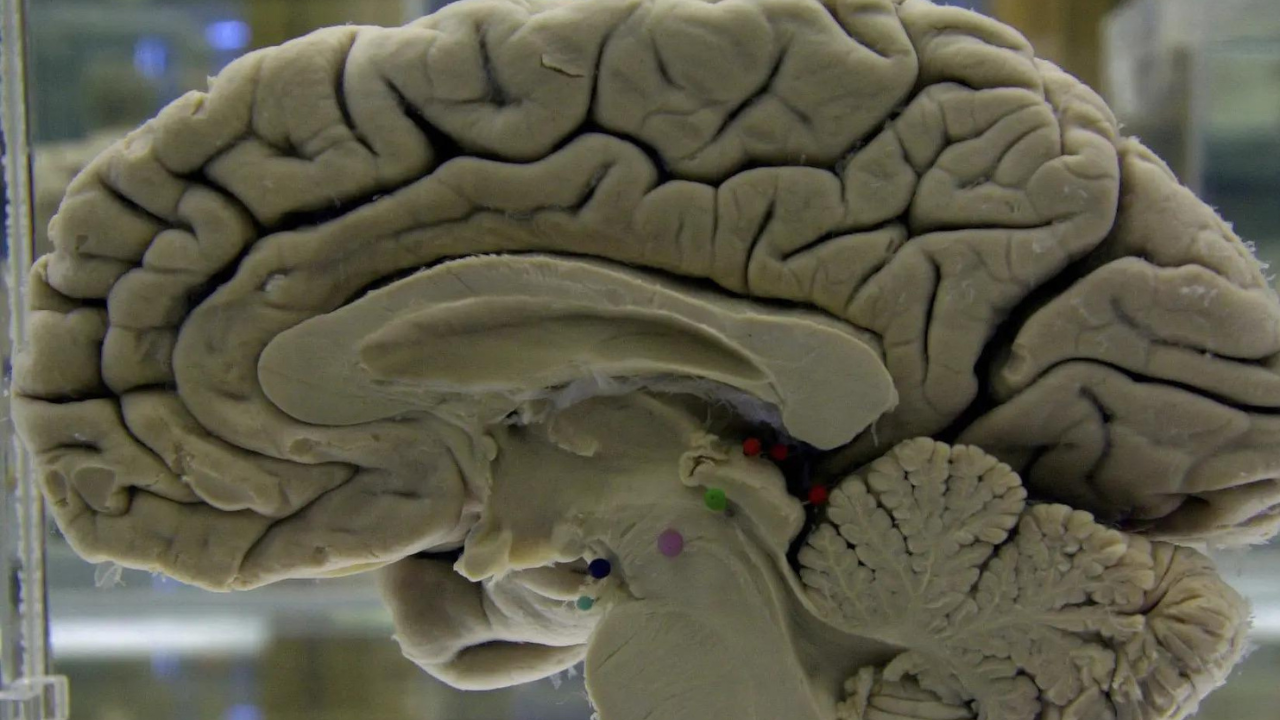
Could your smartphone actually be helping your brain stay sharp? A groundbreaking new study involving over 411,000 adults suggests just that, challenging the popular notion of "digital dementia" and finding instead that technology use is associated with a reduced risk of cognitive decline in older populations. The research indicates that engaging with digital tools like computers, smartphones, and the internet may offer cognitive benefits comparable to those gained from physical activity or maintaining healthy blood pressure.
For years, concerns have circulated about the potential negative impacts of technology on our brains, particularly among older adults. The term "digital dementia" has been used to describe the perceived cognitive decline resulting from over-reliance on digital devices. This new study, however, flips that narrative. By analyzing a massive dataset, researchers discovered a correlation between regular technology use and lower rates of cognitive decline. This suggests that interacting with digital platforms may actually help keep our minds agile as we age. The cognitive benefits observed were significant, placing technology use in the same league as other well-established protective factors like physical exercise and healthy cardiovascular health.
The study's findings have profound implications for how we approach technology use in aging populations. Instead of viewing digital devices with suspicion, we should perhaps consider them valuable tools for maintaining cognitive health. The researchers emphasized that the study demonstrates a correlation, not causation. While it doesn't definitively prove that technology use directly causes improved cognitive function, the strong association warrants further investigation. Future studies should focus on exploring the specific mechanisms through which technology might exert its beneficial effects. For instance, does using a smartphone to stay connected with loved ones combat social isolation, a known risk factor for cognitive decline? Or does navigating complex online platforms provide a form of mental stimulation that helps maintain cognitive flexibility?
The research offers a compelling counterpoint to the "digital dementia" hypothesis. While excessive screen time and passive consumption of digital content may have drawbacks, the study suggests that actively engaging with technology can be a positive force for cognitive health in older adults. This could involve using computers for learning new skills, smartphones for staying connected with social networks, or the internet for accessing information and engaging in mentally stimulating activities. This reframing of technology’s role in cognitive aging opens up exciting possibilities for developing interventions and programs that leverage digital tools to promote healthy brain aging. Imagine personalized apps designed to challenge cognitive skills, online communities that foster social engagement, and accessible digital platforms that provide lifelong learning opportunities. The potential for technology to empower older adults to maintain their cognitive vitality is immense.
The study's large sample size and robust methodology lend considerable weight to its findings. However, it's important to acknowledge that further research is necessary to fully understand the complex relationship between technology use and cognitive aging. This includes investigating potential confounding factors and exploring the optimal types and levels of technology engagement for maximizing cognitive benefits. While the study focuses on older adults, the findings may have broader relevance across the lifespan. Understanding how technology impacts our brains at different ages is crucial for harnessing its potential to support cognitive health throughout our lives. This research provides a promising starting point and encourages a more nuanced and optimistic perspective on the role of technology in the aging process.
Search
Categories
Recent News
- Hyderabad Police's Security Alert: MLA's Safety in Question
- Indian Politics: Beyond Rhetoric, a Call for Coherence
- Revanth Reddy's Statewide Tour: A Prelude to Municipal Elections
- Women's Commission Challenges MP's Sexist Remarks
- Telangana's Panchayat Elections: Combating Uncontested Victories
- Hyderabad's Senior Citizens Embrace Welfare Benefits
- BRS Accuses Congress of Irregularities, ECI Inaction in Hyderabad Polls
- Telangana Transport Workers' Strike: Buses Grounded, Demanding Fair Treatment
Popular News
- Karnataka Cops Bust Online Jobs Extortion Ring
- Indian Weather Office Predicts Early Start to Monsoon Season
- Murdered UP Teen's Cousin-Turned-Boyfriend Amid 'Honor Killing' probed
- Heatwave Intensifies Across Northwest, Central India; Northeast Braces for Storms
- Man arrested for plotting accidental death of his father