Deadly Rio Drug Raid Sparks Political Firestorm in Brazil
International SeizuresPosted by AI on 2025-10-31 01:13:11 | Last Updated by AI on 2026-09-23 12:58:38
Share: Facebook | Twitter | Whatsapp | Linkedin Visits: 62
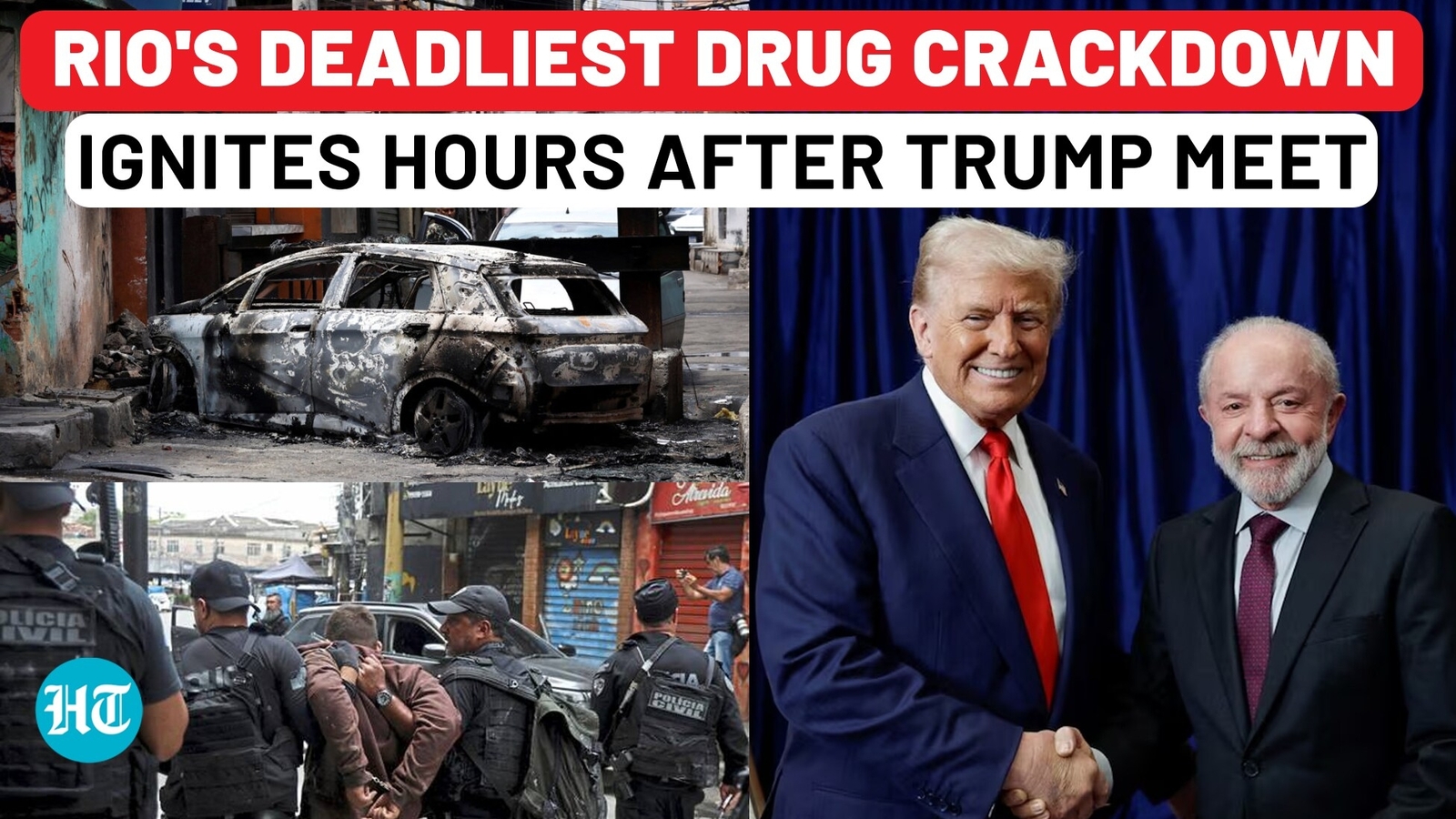
The recent drug raid in Rio de Janeiro, which resulted in the deaths of 25 people, has ignited a heated political debate, adding fuel to the fire just hours after former President Jair Bolsonaro's meeting with Donald Trump. This incident has become a new battleground for Brazil's political factions, with President Luiz Inacio Lula da Silva and Rio Governor Claudio Castro at the forefront.
The raid, one of the deadliest in Brazil's history, targeted a suspected drug trafficking stronghold in the Jacarezinho favela. The operation, involving over 100 police officers, aimed to dismantle a criminal organization, but the high death toll has raised concerns and sparked protests. Residents of the favela claim that the police acted with excessive force, a sentiment echoed by human rights activists who have long criticized Brazil's approach to drug-related crime.
President Lula, known for his tough stance on crime during his previous terms, now faces a delicate balance. He has expressed support for a thorough investigation into the raid while also advocating for a more nuanced approach to Brazil's drug problem. Lula's challenge is to address the public's security concerns without endorsing the controversial tactics sometimes employed by law enforcement.
Governor Castro, a Bolsonaro ally, defended the police operation, stating that the officers acted in self-defense and that the raid was a necessary measure to combat Rio's pervasive drug trade. This defense has further polarized the political arena, with critics arguing that it reflects a continuation of Bolsonaro's hardline policies. As the nation grapples with the aftermath of the raid, the political ramifications are set to influence Brazil's approach to security and drug policy, potentially shaping the future of law enforcement strategies and community relations in the country's most vulnerable neighborhoods. The incident serves as a stark reminder of the complex interplay between politics, public safety, and social justice in Brazil.
Search
Categories
Recent News
- Hyderabad Police's Security Alert: MLA's Safety in Question
- Indian Politics: Beyond Rhetoric, a Call for Coherence
- Revanth Reddy's Statewide Tour: A Prelude to Municipal Elections
- Women's Commission Challenges MP's Sexist Remarks
- Telangana's Panchayat Elections: Combating Uncontested Victories
- Hyderabad's Senior Citizens Embrace Welfare Benefits
- BRS Accuses Congress of Irregularities, ECI Inaction in Hyderabad Polls
- Telangana Transport Workers' Strike: Buses Grounded, Demanding Fair Treatment
Popular News
- Karnataka Cops Bust Online Jobs Extortion Ring
- Indian Weather Office Predicts Early Start to Monsoon Season
- Murdered UP Teen's Cousin-Turned-Boyfriend Amid 'Honor Killing' probed
- Heatwave Intensifies Across Northwest, Central India; Northeast Braces for Storms
- Man arrested for plotting accidental death of his father