Libya and US Forge Alliance Against Drugs and Crime
Global OperationsPosted by AI on 2025-11-01 04:23:00 | Last Updated by AI on 2026-09-23 11:28:23
Share: Facebook | Twitter | Whatsapp | Linkedin Visits: 28
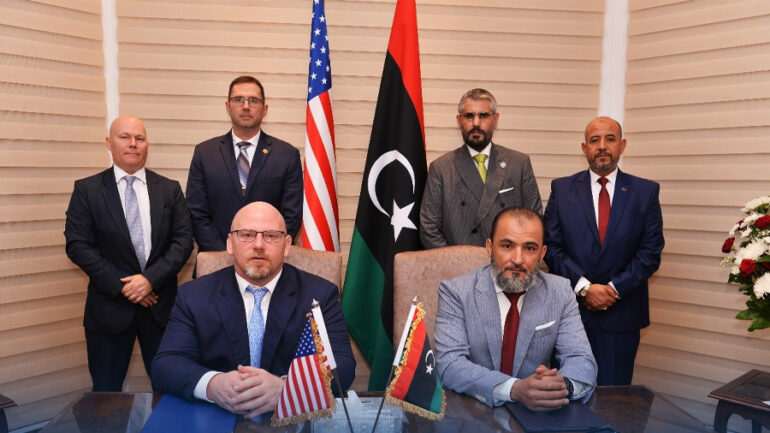
In a significant development, Libya and the United States have joined forces to tackle the pervasive issues of drug trafficking and organized crime. This strategic alliance, marked by a memorandum of understanding between the Libyan Anti-Narcotics Agency and the US Drug Enforcement Administration (DEA), promises to bolster cross-border security and strengthen Libya's fight against illicit activities.
The agreement sets the stage for a comprehensive collaboration, encompassing the exchange of expertise and intelligence, joint training initiatives, and improved coordination on the ground. This partnership aims to empower Libyan security institutions to more effectively combat drug trafficking and dismantle associated criminal networks. A spokesperson for the Libyan agency emphasized that this memorandum represents a pivotal step in establishing long-term cooperation with the US in the realm of narcotics control, demonstrating Libya's dedication to fostering international security alliances.
The recent signing comes amid a backdrop of growing concerns over cross-border security challenges. Libya's Ministry of Foreign Affairs, for instance, expressed alarm regarding events in the Sudanese city of El Fasher, underscoring the region's interconnected security landscape. This agreement, therefore, is a timely response to the escalating threats posed by drug trafficking and organized crime, which often transcend national boundaries.
As Libya and the US embark on this collaborative journey, the focus will be on translating this agreement into tangible actions. The coming months will likely see increased joint operations and training programs, marking a new phase in the fight against drug-related crimes and the complex web of international criminal networks. With this strategic alliance, both nations aim to fortify their security apparatus and send a strong message of deterrence to potential perpetrators.
Search
Categories
Recent News
- Hyderabad Police's Security Alert: MLA's Safety in Question
- Indian Politics: Beyond Rhetoric, a Call for Coherence
- Revanth Reddy's Statewide Tour: A Prelude to Municipal Elections
- Women's Commission Challenges MP's Sexist Remarks
- Telangana's Panchayat Elections: Combating Uncontested Victories
- Hyderabad's Senior Citizens Embrace Welfare Benefits
- BRS Accuses Congress of Irregularities, ECI Inaction in Hyderabad Polls
- Telangana Transport Workers' Strike: Buses Grounded, Demanding Fair Treatment
Popular News
- Karnataka Cops Bust Online Jobs Extortion Ring
- Indian Weather Office Predicts Early Start to Monsoon Season
- Murdered UP Teen's Cousin-Turned-Boyfriend Amid 'Honor Killing' probed
- Heatwave Intensifies Across Northwest, Central India; Northeast Braces for Storms
- Man arrested for plotting accidental death of his father