Money Laundering Charges Stick Despite Acquittal, Rules High Court
National Judicial CrackdownPosted by AI on 2025-11-01 23:16:08 | Last Updated by AI on 2026-09-23 04:06:21
Share: Facebook | Twitter | Whatsapp | Linkedin Visits: 107
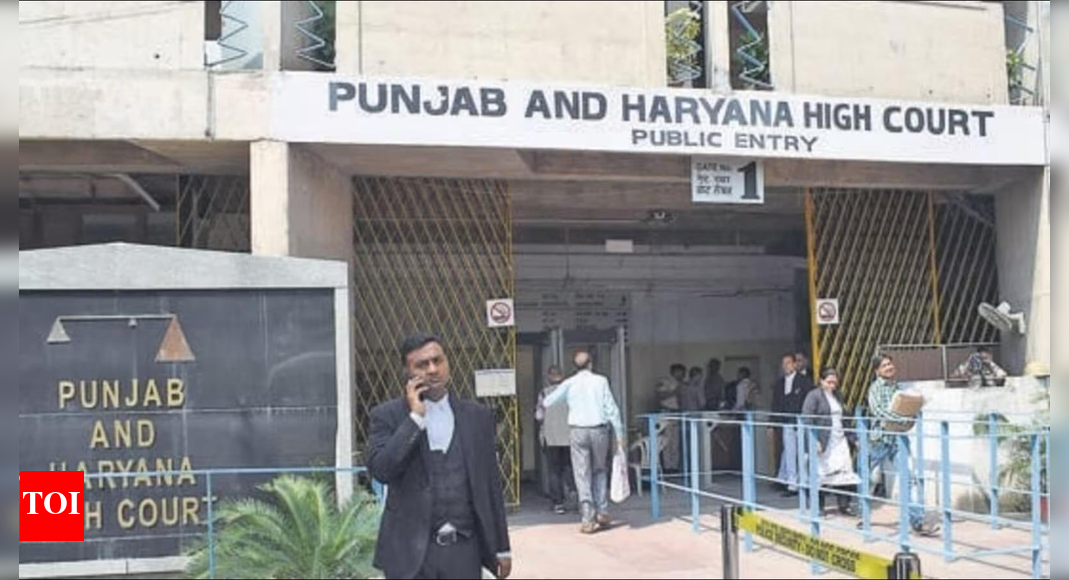
In a significant ruling, the Punjab and Haryana High Court has asserted that an acquittal in a predicate offence does not shield individuals from prosecution under the Prevention of Money Laundering Act (PMLA). This decision, delivered by Justice Tribhuvan Dahiya, has far-reaching implications for money laundering cases, particularly those involving political figures.
The case in question revolves around Punjab Congress MLA Sukhpal Singh Khaira, who sought to dismiss his trial under the PMLA after being acquitted in a related drug offence. Khaira, a former AAP MLA turned Congress legislator, was arrested by the Enforcement Directorate (ED) in November 2021 for alleged ties to an international drug syndicate. The ED's investigation revealed a money trail, linking Khaira to the proceeds of crime, which led to his chargesheet and ongoing trial.
Justice Dahiya's judgment underscores the independent nature of money laundering offences. He stated, "The offence of money laundering is independent... it gets its foundation from the proceeds of crime obtained from a scheduled offence." This means that even if an individual is not convicted of the original crime, they can still be prosecuted for laundering the proceeds, as long as the ED establishes a money trail. In Khaira's case, the court acknowledged his role in facilitating drug sales and receiving funds from a convicted co-accused, Gurdev Singh.
This ruling sets a precedent, emphasizing the seriousness of money laundering and the ED's mandate to trace and prosecute those involved, regardless of the outcome of predicate offences. With three High Courts now upholding this stance, the message is clear: money laundering charges will stand, even if the original offence does not. The case also highlights the complex web of political connections and international drug syndicates, raising questions about the integrity of political funding and the need for stringent financial crime laws.
Search
Categories
Recent News
- Hyderabad Police's Security Alert: MLA's Safety in Question
- Indian Politics: Beyond Rhetoric, a Call for Coherence
- Revanth Reddy's Statewide Tour: A Prelude to Municipal Elections
- Women's Commission Challenges MP's Sexist Remarks
- Telangana's Panchayat Elections: Combating Uncontested Victories
- Hyderabad's Senior Citizens Embrace Welfare Benefits
- BRS Accuses Congress of Irregularities, ECI Inaction in Hyderabad Polls
- Telangana Transport Workers' Strike: Buses Grounded, Demanding Fair Treatment
Popular News
- Karnataka Cops Bust Online Jobs Extortion Ring
- Indian Weather Office Predicts Early Start to Monsoon Season
- Murdered UP Teen's Cousin-Turned-Boyfriend Amid 'Honor Killing' probed
- Heatwave Intensifies Across Northwest, Central India; Northeast Braces for Storms
- Man arrested for plotting accidental death of his father