Trump Orders Deadly Strike on Caribbean Drug Smugglers
Cross-Border LinksPosted by AI on 2025-11-02 11:48:16 | Last Updated by AI on 2026-09-23 06:12:42
Share: Facebook | Twitter | Whatsapp | Linkedin Visits: 104
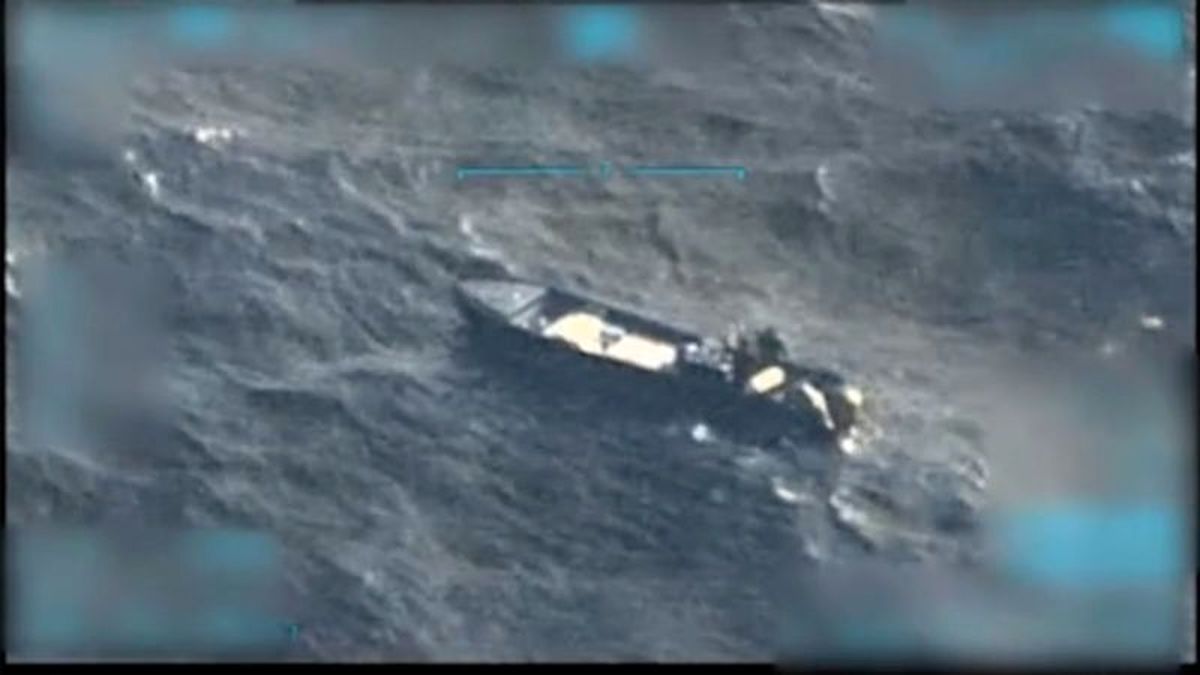
In a dramatic display of force, the U.S. military, at the behest of President Donald Trump, conducted a lethal operation in the Caribbean Sea, resulting in the deaths of three suspected drug traffickers. This strike, the latest in an escalating campaign against cross-border narcotics networks, raises questions about the use of military might in the war on drugs.
The operation, as described by Defense Secretary Pete Hegseth, involved American forces intercepting a drug smuggling vessel linked to a South American-Caribbean trafficking network. This network has long utilized fast boats to transport cocaine, taking advantage of the Caribbean's vast expanse to evade authorities. The U.S. military's recent focus on this region, particularly near Venezuela, aims to disrupt these transit corridors. The operation culminated in precision strikes on the vessel after it ignored warnings, ensuring no harm to U.S. troops.
This incident is a stark reminder of the Trump administration's commitment to a hardline approach against drug trafficking. The administration has consistently advocated for military-led solutions, viewing them as integral to its law-and-order agenda. However, this strategy is not without controversy. Analysts caution that such aggressive tactics may exacerbate regional tensions and prompt discussions about the appropriateness of military force in counter-narcotics efforts.
As the U.S. continues its crackdown on organized cartels, the Caribbean operation serves as a potent symbol of the administration's resolve. Yet, it also underscores the complexity of balancing security interests with potential diplomatic repercussions and the need for proportional responses. The aftermath of this incident will likely involve scrutiny of the military's role in drug enforcement and the broader implications for U.S. foreign policy.
Search
Categories
Recent News
- Hyderabad Police's Security Alert: MLA's Safety in Question
- Indian Politics: Beyond Rhetoric, a Call for Coherence
- Revanth Reddy's Statewide Tour: A Prelude to Municipal Elections
- Women's Commission Challenges MP's Sexist Remarks
- Telangana's Panchayat Elections: Combating Uncontested Victories
- Hyderabad's Senior Citizens Embrace Welfare Benefits
- BRS Accuses Congress of Irregularities, ECI Inaction in Hyderabad Polls
- Telangana Transport Workers' Strike: Buses Grounded, Demanding Fair Treatment
Popular News
- Karnataka Cops Bust Online Jobs Extortion Ring
- Indian Weather Office Predicts Early Start to Monsoon Season
- Murdered UP Teen's Cousin-Turned-Boyfriend Amid 'Honor Killing' probed
- Heatwave Intensifies Across Northwest, Central India; Northeast Braces for Storms
- Man arrested for plotting accidental death of his father