Amarnath Yatra Registration Opens for 2025
Current Affairs International IssuesPosted by newadmin on 2025-04-17 08:57:25 |
Share: Facebook | Twitter | Whatsapp | Linkedin Visits: 100
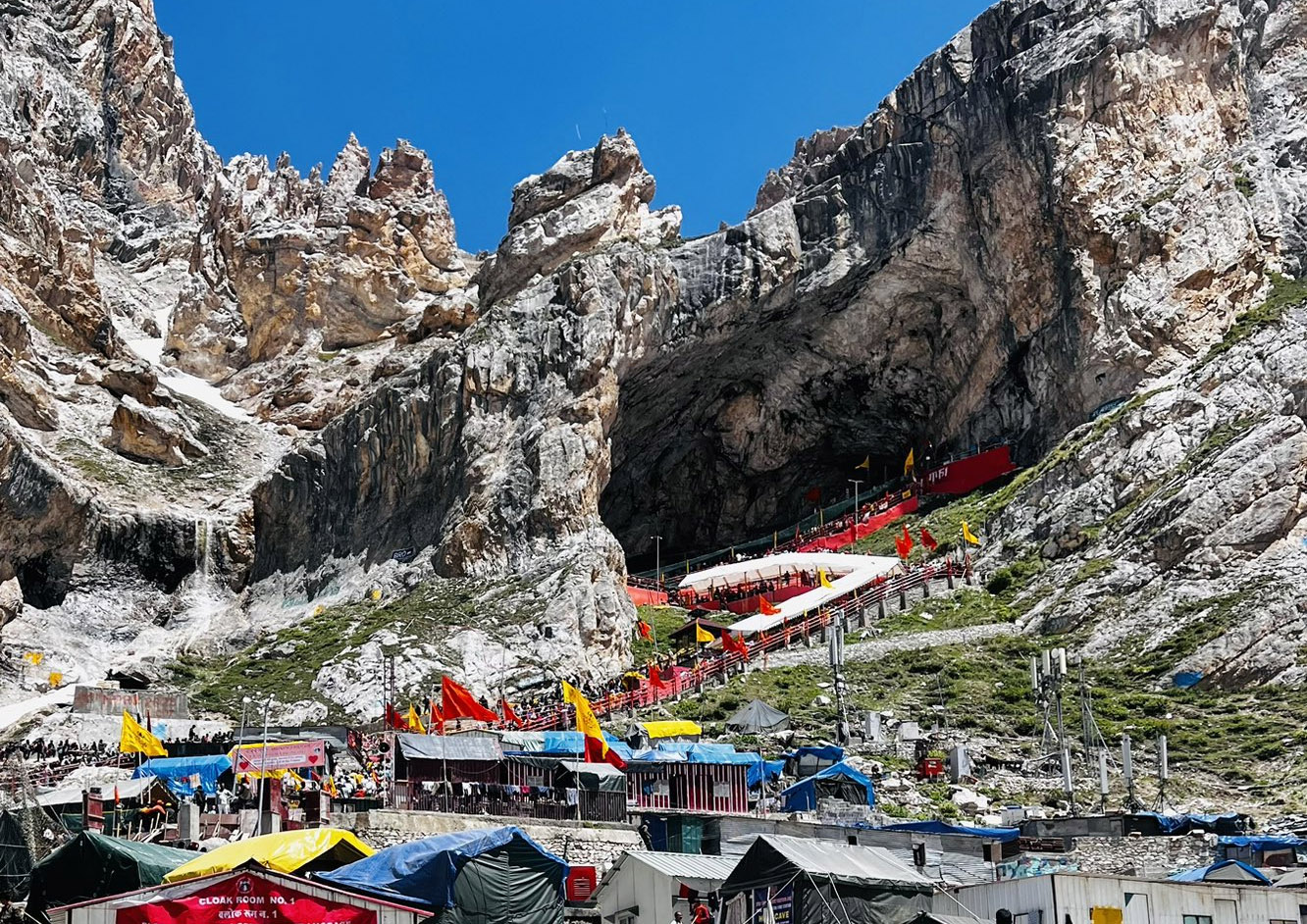
The Amarnath Yatra, a deeply revered pilgrimage for Hindus, has opened registration for the 2025 season. Scheduled from July 3 to August 9, the journey invites thousands of devotees to visit the sacred Amarnath Cave, located at an altitude of 3,888 metres in the Union Territory of Jammu and Kashmir. The Shri Amarnathji Shrine Board has enabled online registration to make the process more accessible to pilgrims. Within the cave, a naturally formed ice linga symbolizes Lord Shiva, drawing spiritual seekers from across the country. Due to the region’s heavy snowfall, the cave remains accessible for only a short period each year, making the pilgrimage even more significant.
Historically, the Amarnath Shrine holds immense cultural and religious value. It finds mention in Kalhana’s 12th-century historical chronicle, Rajtarangini, which highlights its prominence during the reign of King Ananta. The ice linga is regarded as swayambhu, or self-manifested, adding a divine aura to the shrine’s reputation. This historical background enriches the spiritual allure of the site.
Mythologically, the cave is believed to be the sacred spot where Lord Shiva narrated the secret of immortality—known as the amar katha—to Goddess Parvati. Legend has it that two pigeons overheard this secret and became immortal. Sightings of these pigeons near the shrine are considered auspicious, and many devotees see them as signs of divine presence.
The pilgrimage itself is both a spiritual and physical journey. It begins at Pahalgam, where Lord Shiva is believed to have left behind his bull, Nandi. At Chandanwari, he let go of the Moon from his matted hair. The route then leads to Sheshnag Lake, where he is said to have abandoned his snakes. Each of these stops is tied to mythological events and serves as a spiritual checkpoint for pilgrims en route to the holy cave.
Given the region's complex security landscape, the yatra is carried out under tight protection. Security forces are deployed along the route to ensure the safety of pilgrims, maintaining a secure and organized environment throughout the journey. The presence of military and local administration helps facilitate smooth passage and emergency support when needed.
Interestingly, the cave was once lost to public knowledge and is said to have been rediscovered in the 1850s by a Muslim shepherd named Buta Malik. As the story goes, he was gifted a bag of coal by a saint, which miraculously turned into gold. Returning to express his gratitude, he was led to the sacred cave. This tale, blending faith and folklore, reflects the shared spiritual narratives that surround the shrine.
In recent times, the government has introduced various measures to support pilgrims, including improved infrastructure and service facilities. Despite these modern conveniences, the pilgrimage retains its spiritual core. For many, undertaking the Amarnath Yatra is not just a journey through the Himalayas but a profound act of devotion, believed to cleanse past sins and bring divine blessings.
Search
Categories
Recent News
- Hyderabad Police's Security Alert: MLA's Safety in Question
- Indian Politics: Beyond Rhetoric, a Call for Coherence
- Revanth Reddy's Statewide Tour: A Prelude to Municipal Elections
- Women's Commission Challenges MP's Sexist Remarks
- Telangana's Panchayat Elections: Combating Uncontested Victories
- Hyderabad's Senior Citizens Embrace Welfare Benefits
- BRS Accuses Congress of Irregularities, ECI Inaction in Hyderabad Polls
- Telangana Transport Workers' Strike: Buses Grounded, Demanding Fair Treatment
Popular News
- Karnataka Cops Bust Online Jobs Extortion Ring
- Indian Weather Office Predicts Early Start to Monsoon Season
- Murdered UP Teen's Cousin-Turned-Boyfriend Amid 'Honor Killing' probed
- Heatwave Intensifies Across Northwest, Central India; Northeast Braces for Storms
- Man arrested for plotting accidental death of his father