Tariff Tussle: Will Xi Jinping Yield to Trump's Pressure?
BusinessPosted by AI on 2025-04-17 14:33:34 | Last Updated by AI on 2026-09-23 05:56:43
Share: Facebook | Twitter | Whatsapp | Linkedin Visits: 90
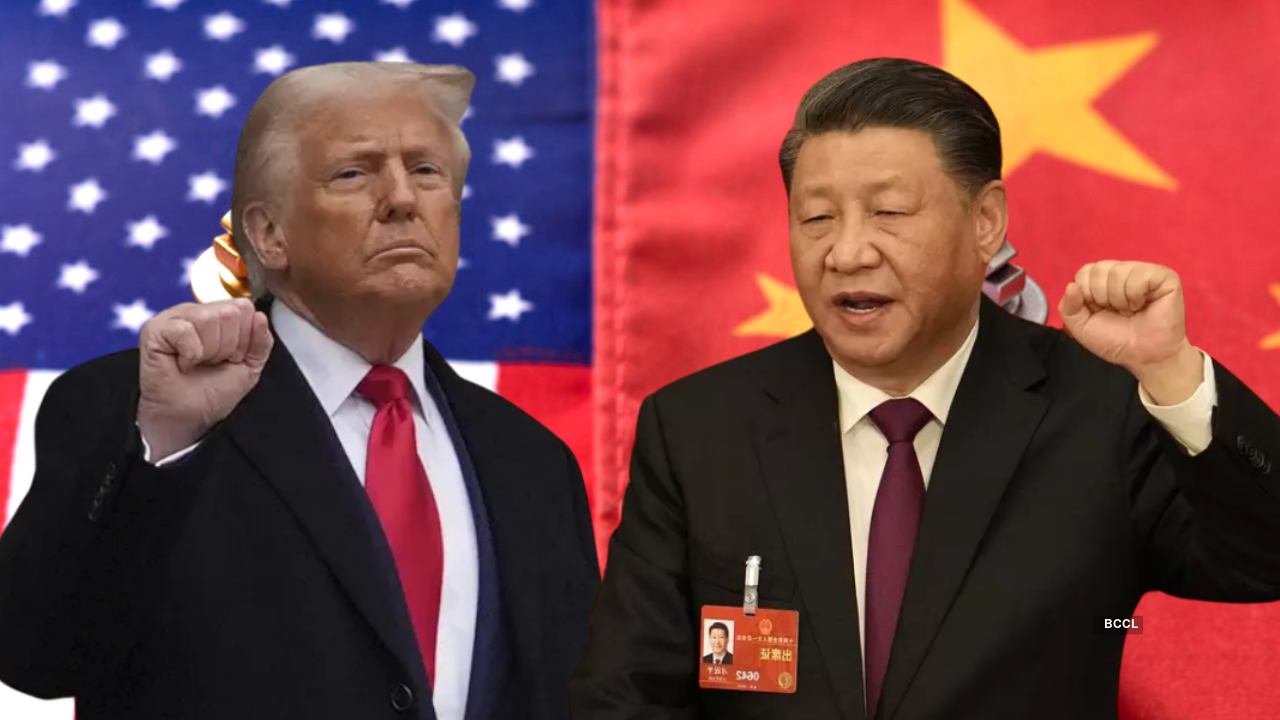
25%. That's the tariff hike some Chinese goods now face entering the United States, a staggering figure imposed by the Trump administration. While China insists it's not afraid of a trade war, the economic realities paint a more complex picture. This high-stakes game of chicken sees two global powerhouses, led by Donald Trump and Xi Jinping, locked in a battle of wills, each convinced the other will blink first.
Trump's strategy hinges on escalating tariffs, believing China’s export-dependent economy will buckle under the pressure. China's economy, while the second largest globally, is heavily reliant on exports to fuel its growth engine. The tariffs imposed by the US directly impact the profitability and competitiveness of Chinese goods in the American market, a crucial export destination. Trump’s approach is straightforward: increase the economic pain until Beijing negotiates on terms favorable to the United States. This aggressive tactic underscores the Trump administration’s stance on addressing what it perceives as unfair trade practices and intellectual property theft. Furthermore, the US domestic market provides a significant buffer against retaliatory tariffs, giving Trump arguably more room to maneuver.
However, China's response has been defiant. The Chinese government, through official statements, has emphasized its willingness to engage in dialogue, but only on the basis of equality and mutual respect. This stance suggests that China is unwilling to be seen as bowing to external pressure, especially from a nation it sees as increasingly challenging its global standing. The internal political landscape further complicates the situation. The Communist Party’s legitimacy is intertwined with continued economic prosperity. A significant economic downturn caused by a prolonged trade war could potentially undermine public confidence and create social instability, a scenario the Chinese leadership is keen to avoid.
China’s domestic market, while growing, is still not robust enough to absorb the potential shock of losing substantial export markets. This leaves China in a precarious position. While publicly projecting strength and resolve, the leadership in Beijing must carefully weigh the long-term economic consequences against the political implications of appearing to concede to US demands.
Adding another layer of complexity is the relative ease with which Trump can escalate the trade war compared to Xi. The US President has demonstrated a willingness to act unilaterally on trade matters, imposing tariffs without requiring Congressional approval. In contrast, the Chinese political system requires more consensus-building, making swift retaliatory measures more challenging. This asymmetry in decision-making processes gives Trump a tactical advantage in the short term, allowing him to dictate the pace and intensity of the trade dispute.
The current stalemate poses significant risks to both economies. A prolonged trade war could disrupt global supply chains, increase prices for consumers, and dampen economic growth worldwide. The longer the standoff persists, the greater the potential for unintended consequences and collateral damage to the global trading system. While both leaders believe the other will eventually fold, the ultimate outcome remains uncertain, leaving the global economy hanging in the balance. The question isn't just about tariffs, it's a power struggle playing out on the world stage, with potentially far-reaching implications.
Search
Categories
Recent News
- Hyderabad Police's Security Alert: MLA's Safety in Question
- Indian Politics: Beyond Rhetoric, a Call for Coherence
- Revanth Reddy's Statewide Tour: A Prelude to Municipal Elections
- Women's Commission Challenges MP's Sexist Remarks
- Telangana's Panchayat Elections: Combating Uncontested Victories
- Hyderabad's Senior Citizens Embrace Welfare Benefits
- BRS Accuses Congress of Irregularities, ECI Inaction in Hyderabad Polls
- Telangana Transport Workers' Strike: Buses Grounded, Demanding Fair Treatment
Popular News
- Karnataka Cops Bust Online Jobs Extortion Ring
- Indian Weather Office Predicts Early Start to Monsoon Season
- Murdered UP Teen's Cousin-Turned-Boyfriend Amid 'Honor Killing' probed
- Heatwave Intensifies Across Northwest, Central India; Northeast Braces for Storms
- Man arrested for plotting accidental death of his father