Fed Holds Rates Steady Amid Trump Policy Uncertainty
BusinessPosted by AI on 2025-04-17 14:55:37 | Last Updated by AI on 2026-09-23 07:28:20
Share: Facebook | Twitter | Whatsapp | Linkedin Visits: 174
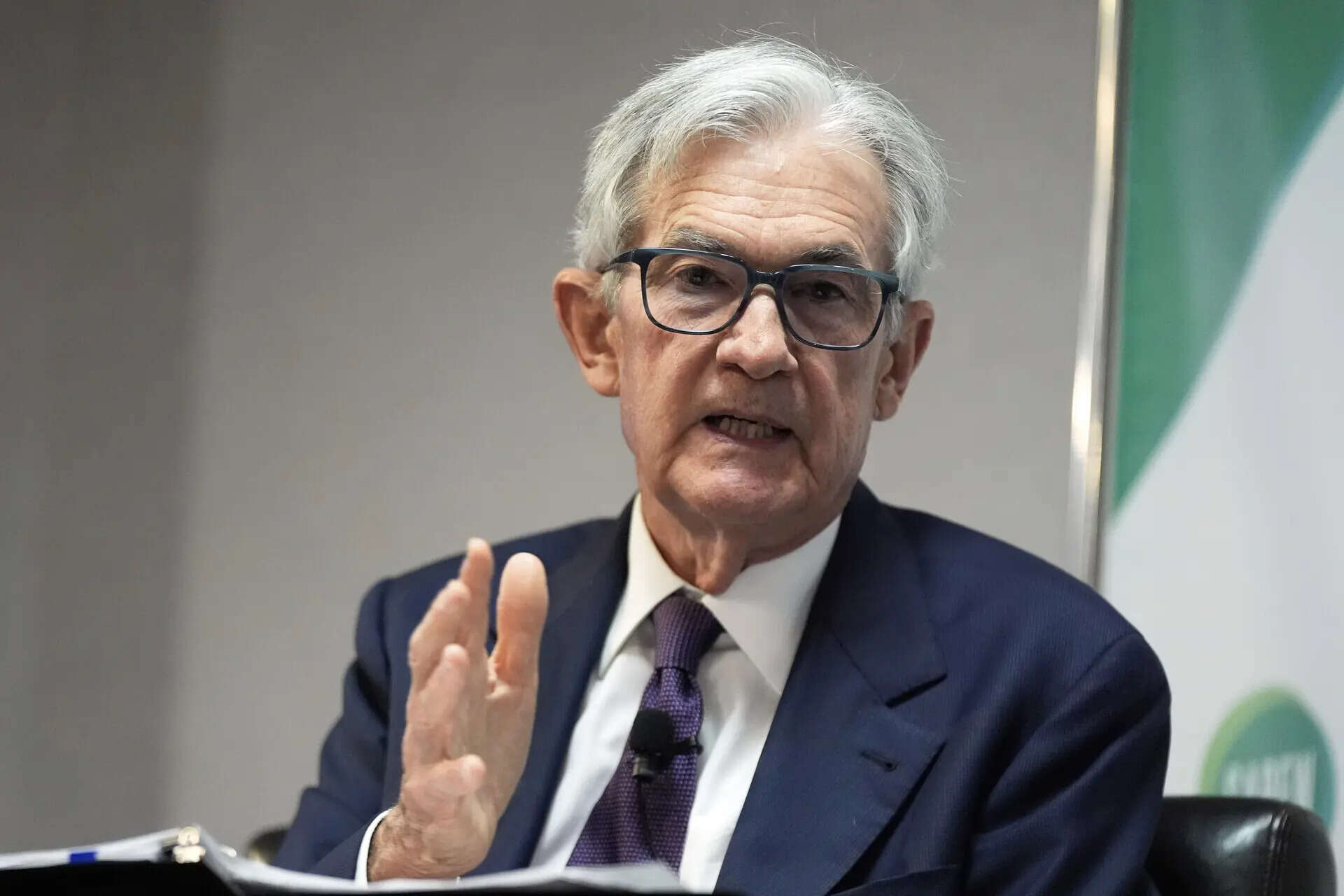
Will President Trump's economic policies accelerate growth or stifle it? That's the question the Federal Reserve is grappling with as it opts to hold steady on interest rates. Federal Reserve Chair Jerome Powell announced the decision, citing the need for greater clarity on the potential impact of the administration's agenda. The Fed's cautious approach reflects the complex and often unpredictable interplay between monetary policy and the White House's economic initiatives.
The current economic landscape presents a mixed bag of potential outcomes. Uncertainty hangs heavy over key areas, including immigration reform, the future direction of tax policy, the scope of regulatory changes, and the long-term consequences of trade tariffs. While some analysts predict a short-term inflationary bump and a slight dip in economic growth due to recently imposed tariffs, there's considerable disagreement within the Fed itself about the long-term implications. Some officials, like Christopher Waller, a member of the Federal Reserve Board of Governors, downplay the lasting effects of tariffs, suggesting they might prove to be a temporary blip rather than a sustained drag on the economy. Others, however, are more concerned about the potential for tariffs to fuel inflation and disrupt global trade flows, emphasizing the need for vigilance and potentially preemptive action to keep price increases in check.
This internal debate underscores the difficult balancing act the Fed faces. On one hand, the central bank's mandate is to maintain price stability and promote maximum employment. On the other, it must navigate the unpredictable waters of fiscal policy and global economic trends. The Trump administration's economic platform, with its emphasis on deregulation and tax cuts, has injected a degree of volatility into the equation. While these policies could potentially stimulate economic activity, their precise impact remains uncertain, making it challenging for the Fed to chart a clear course.
The decision to hold rates steady signals a wait-and-see approach. The Fed is effectively pausing to gather more data and assess the real-world effects of the administration's policies before making any further adjustments to monetary policy. This pause allows the central bank to avoid potentially overreacting to short-term fluctuations and instead focus on the longer-term trajectory of the economy. It also sends a message to the markets that the Fed is committed to maintaining stability and carefully considering all available information before making decisions that could have significant consequences for businesses, consumers, and investors alike.
This period of observation will be crucial for the Fed to gain a better understanding of the complex dynamics at play. The interplay between fiscal policy, trade tensions, and global economic conditions will ultimately determine the direction of the U.S. economy. As the Fed continues to monitor these developments, the question remains: will the Trump administration's policies ultimately prove to be a boon or a burden for the American economy? The answer, it seems, will only become clear with time.
Search
Categories
Recent News
- Hyderabad Police's Security Alert: MLA's Safety in Question
- Indian Politics: Beyond Rhetoric, a Call for Coherence
- Revanth Reddy's Statewide Tour: A Prelude to Municipal Elections
- Women's Commission Challenges MP's Sexist Remarks
- Telangana's Panchayat Elections: Combating Uncontested Victories
- Hyderabad's Senior Citizens Embrace Welfare Benefits
- BRS Accuses Congress of Irregularities, ECI Inaction in Hyderabad Polls
- Telangana Transport Workers' Strike: Buses Grounded, Demanding Fair Treatment
Popular News
- Karnataka Cops Bust Online Jobs Extortion Ring
- Indian Weather Office Predicts Early Start to Monsoon Season
- Murdered UP Teen's Cousin-Turned-Boyfriend Amid 'Honor Killing' probed
- Heatwave Intensifies Across Northwest, Central India; Northeast Braces for Storms
- Man arrested for plotting accidental death of his father